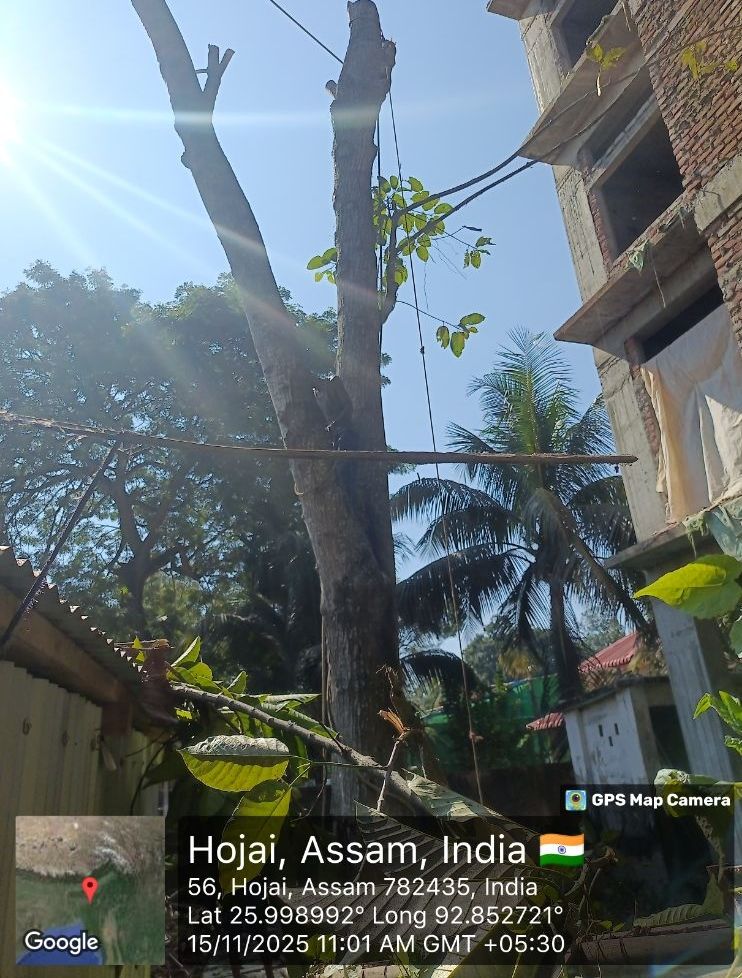
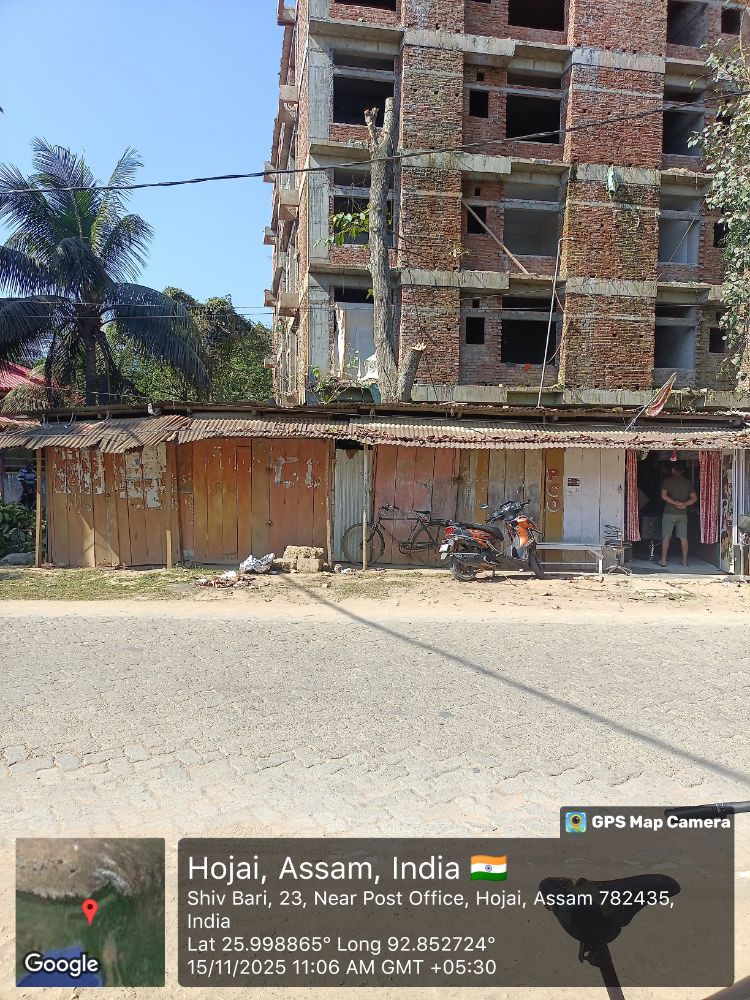
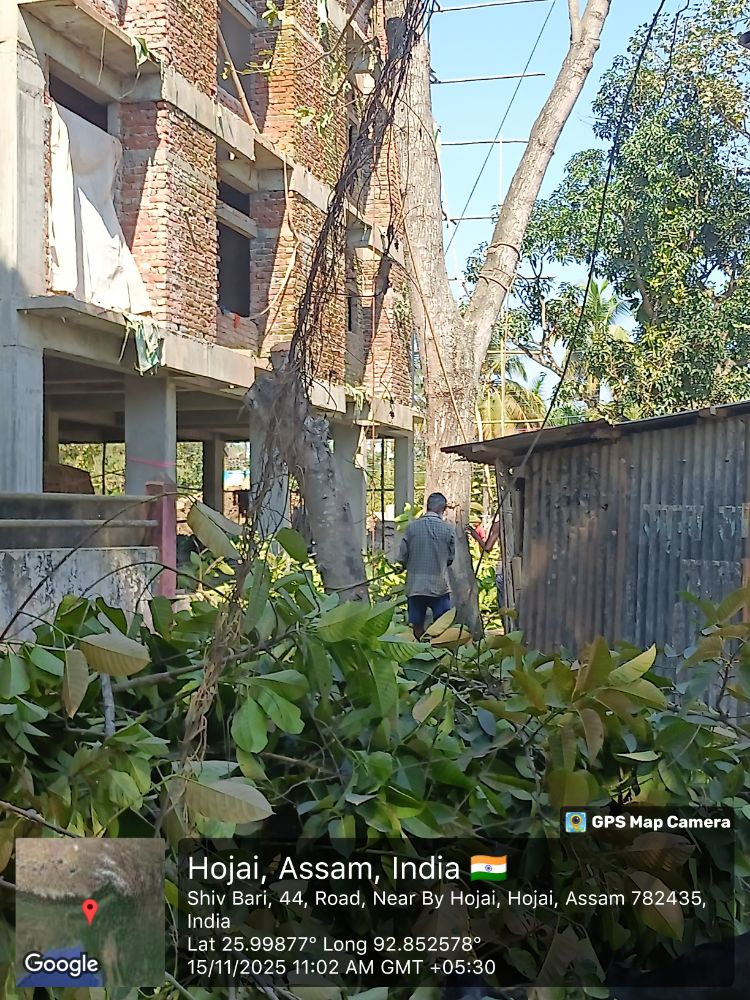
Every day we speak about climate change and global warming, yet we continue to witness trees being cut in the name of development. I recently came across a site where several trees were being removed, and it raised an important question in my mind. Is destruction of green cover truly unavoidable, or are we ignoring better alternatives? As a citizen, this contradiction forces us to think more deeply.
Problem Explanation
The central concern is the growing trend of cutting trees for construction and expansion projects. While development is essential, the process often directly targets existing natural resources. This creates a conflict between infrastructural needs and environmental protection, making the issue complex and concerning.
Why This Matters
In a time when global warming, unpredictable climate patterns and rising temperatures are becoming everyday realities, the loss of trees further intensifies the crisis. The Government of India continuously promotes plantation drives and environmental awareness, yet on the ground, institutions sometimes move forward with tree-cutting. This contradiction weakens public confidence and creates confusion about our collective priorities.
Simple Analysis
The core of the problem lies not in development itself, but in the approach. Trees are cut because alternative designs or protective measures are often overlooked. Sustainable planning—like re-routing, vertical construction, transplantation, or integrating greenery within projects—can significantly reduce damage. When such options exist, choosing the easiest path—cutting trees—reflects a lack of environmental sensitivity rather than true development.
Solution
Real development should adopt eco-friendly planning, mandatory environmental audits, and responsible decision-making. Authorities can explore tree transplantation, redesign layouts, or integrate green zones instead of removing existing trees. Citizens, too, can question policies respectfully and raise awareness without creating controversy. This balanced approach can ensure both infrastructure and nature coexist.
Conclusion
Protecting trees is not an obstacle to development—rather, it is a foundation for sustainable progress. When alternatives exist, choosing them is not protest; it is responsibility. —
Reader Question ❓
Do you believe true development is possible without harming our environment?
Original image (Hojai)
Ashish Chakraborty MSW | MA (Double) Digital Content Creator | Author Voluntary Social Worker | Environmental Volunteer Traditional Astrologer & Palmistry Practitioner
The banyan tree (Ficus benghalensis), deeply rooted in the cultural and ecological landscape of India, holds remarkable medicinal, environmental, and socio-symbolic value. Drawing from Ayurvedic texts, modern scientific research, and collective traditional knowledge, this article explores the therapeutic potential of the tree and highlights the urgent need for its conservation.
বট গাছের ছবি
A Combined Ayurvedic,Scientific,& Socio-Environmental,Perspective
—
Introduction
The banyan tree has long been celebrated as a symbol of stability, longevity, and healing. The photograph taken beneath its canopy serves as an opportunity to reflect on its multifaceted importance. Beyond its majestic appearance, the tree plays a crucial role in public health, ecological balance, and traditional medicine. This article synthesizes insights from Ayurvedic literature, contemporary research findings, and community-based knowledge to create a concise awareness-oriented narrative.
—
Ayurvedic Significance
Ayurveda identifies the banyan tree as a potent medicinal resource, describing it as an essential component of natural healing. Its therapeutic contributions include:
1. Respiratory Support The powdered bark is traditionally used to help clear the respiratory tract and reduce symptoms of asthma and chronic cough.
2. Digestive and Intestinal Benefits The astringent properties of the bark aid in managing diarrhea, intestinal inflammation, and related digestive disorders.
3. Dermatological Applications Leaf extracts are widely applied to minor wounds, skin irritations, and inflammatory skin conditions, accelerating natural healing.
4. Blood Sugar Regulation Extracts from the roots and bark have been observed to support the regulation of blood glucose levels.
5. Mental and Emotional Stability In Ayurvedic philosophy, the banyan tree represents grounding and mental steadiness, often associated with meditation and inner balance.
—
Scientific Perspective
Modern studies reinforce several traditional beliefs, identifying key bioactive compounds with therapeutic value:
1. Nighttime Oxygen Release The tree contributes positively to the micro-environment by releasing oxygen even during nighttime through a modified Crassulacean Acid Metabolism mechanism.
2. Anti-inflammatory Properties Leaf extracts contain flavonoids and other compounds effective in reducing inflammation and swelling.
4. Anti-diabetic Activity Several studies document the tree’s role in lowering blood glucose through natural phytochemicals.
5. Wound-Healing Potential Extracts from the leaves promote faster epithelialization and natural wound closure.
—
Socio-Environmental Perspective
The banyan tree is not only medicinally valuable but also culturally important. It provides shade, stabilizes soil, supports biodiversity, and serves as a gathering point in many communities. The awareness message expressed through the original photograph emphasizes:
The urgent need to stop unnecessary tree-cutting, particularly of medicinal and ecologically important species.
The understanding that protecting trees means protecting families, communities, and future generations.
Nature conservation as a moral and collective responsibility.
—
Source and Methodology
This article is written by combining information from Ayurvedic texts, online scientific publications, ethnobotanical studies, and personal understanding of traditional practices.
—
Conclusion
The banyan tree stands as a living testament to the interconnectedness of human health, ecology, and tradition. Its medicinal value is supported by both ancient wisdom and modern science. As urbanization grows, the responsibility to protect such vital natural resources becomes even more crucial. Conservation of the banyan tree is, therefore, not merely an environmental act but a commitment to safeguarding cultural heritage and public well-being.
About the Writer Ashish Chakraborty MSW | MA (Double) Digital Content Creator | Author | Voluntary Social Worker
✦ প্রাচীন শক্তির চাবিকাঠি বীজ মন্ত্র, যেমন “ॐ”, “ह्रीं”, “क्लीं”, শব্দ নয়, বরং চেতনার গভীরে প্রবেশকারী সূক্ষ্ম তরঙ্গ। প্রতিটি মন্ত্র নির্দিষ্ট আধ্যাত্মিক শক্তির প্রতীক। উদাহরণস্বরূপ, “क्लीं” কামদেবের আকর্ষণশক্তি প্রতিফলিত করে, আর “ह्रीं” দেবী শক্তির অন্তর্নিহিত রূপ। নিয়মিত উচ্চারণে মন, শরীর ও আত্মার মধ্যে এক গভীর সংযোগ স্থাপন হয়, যা আধ্যাত্মিক উন্নয়নের মূল চাবিকাঠি।
ওঁ নমো শিবায়
➤ বৈজ্ঞানিক প্রমাণ গবেষণায় দেখা গেছে, “ॐ” মন্ত্রের কম্পাঙ্ক প্রায় ৪৩২ Hz, যা মস্তিষ্কের আলফা তরঙ্গ সক্রিয় করে। এর ফলে মানসিক চাপ কমে, ধ্যানের গভীরতা বৃদ্ধি পায় এবং ঘুমের মান উন্নত হয়। মন্ত্রজপ sympathetic nervous system-কে শান্ত করে, ফলে হৃদস্পন্দন ও রক্তচাপ নিয়ন্ত্রণে থাকে।
২০২০ সালের গবেষণায় ধ্বনি-চিকিৎসা (sound therapy) হিসেবে মন্ত্রজপ মানসিক সুস্থতা এবং স্নায়বিক ভারসাম্য রক্ষায় কার্যকর প্রমাণিত হয়েছে।
✵ মন ও আত্মার সমন্বয় আধ্যাত্মিক দিক থেকে বীজ মন্ত্রজপ আত্মার গভীরে প্রবেশ এবং চেতনার উন্নয়নের একটি শক্তিশালী মাধ্যম। এটি কেবল মানসিক শান্তি নয়, বরং স্নায়বিক ও মানসিক স্বাস্থ্যেও সহায়ক। শব্দের কম্পাঙ্ক ও মানসিক প্রভাব প্রাচীন দর্শন এবং আধুনিক বিজ্ঞানকে একত্রিত করে।
✓ সারসংক্ষেপ বীজ মন্ত্রজপ মানসিক, শারীরিক ও আধ্যাত্মিক সুস্থতার জন্য কার্যকর। এটি বর্তমান জীবনের চাপ ও অস্থিরতার জন্য প্রাকৃতিক, নিরাপদ এবং প্রমাণিত একটি পদ্ধতি।
—
📚 Sources:
1. Mantra Yoga and Primal Sound – David Frawley
2. International Journal of Yoga, 2011, “Effect of Om chanting on brain activity”
3. Journal of Ayurveda and Integrative Medicine, 2012
4. Frontiers in Psychology, 2020, “Sound-based meditation and its effects on stress”
𝓫𝔂 : 𝒜𝓈𝒽𝒾𝓈𝒽 𝒞𝒽𝒶𝓀𝓇𝒶𝓫𝓸𝓇𝓉𝓎 ✍🏾📚⋆。˚. Author ✒️ – Ashish Chakraborty, MSW, MA (P Sci) | Blog & Articule Writer • Poet • Literary Artist • Digital Content writter.


 Ashish Blogger | Writer | Socio-Environmental Volunteer