A fighter survives battles… ➤ but a warrior rises from within.
✤ The real warrior is the one who falls, breaks, bleeds—yet still chooses light over darkness, hope over fear, and truth over ego. ᯓ Their greatest victory is not over the world, but over their own mind.
ভূমিকা বিশ্বব্যাপী পরিবেশ ধ্বংসের গতিবেগ এখন আর কল্পনাতীত—বায়ুমণ্ডলে কার্বন বেড়ে চলেছে, বন কমছে, প্লাস্টিক ও বর্জ্য বাড়ছে, এবং জীববৈচিত্র্য দ্রুত ক্ষয়ে যাচ্ছে। এই বিপর্যয়ের সামনে জনসম্মুখে আমাদের নীরবতা এবং দায়িত্বহীনতা কেন চলছে—এটি বিশ্লেষণ করা জরুরি। নিচে সংক্ষিপ্ত, তথ্যভিত্তিক ও তর্কোপযুক্ত প্রতিবেদন দিলাম।
১) বর্তমান অবস্থা — কিছু মূল পরিসংখ্যান (সংক্ষেপে)
বায়ুমণ্ডলের CO₂ ঘনত্ব দ্রুত বেড়ে ২০২৪–২০২৫ সালে নতুন রেকর্ডে পৌঁছেছে; Mauna Loa নজরদারি অনুযায়ী ২০২৫-এর সাম্প্রতিক মাসগুলিতে CO₂ ~425 পিপিএম বা তারও বেশি রেকর্ড হয়েছে — যা শিল্পোত্তর (pre-industrial) পর্যায়ের তুলনায় উল্লেখযোগ্যভাবে বেশি এবং তাপমাত্রা বৃদ্ধির ঝুঁকি বাড়ায়।
বিশ্বজুড়ে বনভূমি ক্ষয় অব্যাহত; 1990–2020 মধ্যে মোট আনুমানিক ৪২০ মিলিয়ন হেক্টর বন হারিয়েছে, ২০১৫–২০২০ পর্যায়ে বার্ষিক হার প্রায় ১০ মিলিয়ন হেক্টর। বনক্ষয় কমেছে বলে মনে করা হলেও মোট হার এখনও উদ্বেগজনক।
প্লাস্টিক দূষণ অত্যন্ত গুরুতর — বছরে প্রায় ১৯–২৩ মিলিয়ন টন প্লাস্টিক জলের মধ্যে লিক হচ্ছে; সমুদ্র ও নদীতে প্রতিদিন হাজার হাজার ট্রাক সমপরিমাণ প্লাস্টিক প্রবাহিত হচ্ছে।
বায়ু দূষণের স্বাস্থ্যঝুঁকি বিপুল: ২০১৯ সালে বাহ্যিক বায়ু দূষণ প্রায় ৪.২ মিলিয়ন আগাম মৃত্যু দায়ী বলে WHO রিপোর্ট করে; সামগ্রিকভাবে বায়ু ও ঘরোয়া দূষণ সম্পর্কিত মারা যাওয়ার সংখ্যা আরও বড় ( ~৭ মিলিয়ন সারণিতে সূচিত)।
জীববৈচিত্র্য সংকট — প্রায় ১ মিলিয়ন প্রজাতিই বিলুপ্তির ঝুঁকিতে রয়েছে বলে IPBES রিপোর্টে সতর্কতা দেওয়া হয়েছে; প্রাকৃতিক পদ্ধতির বিশৃঙ্খলা খাদ্য নিরাপত্তা ও জীবিকা ঝুঁকিতে ফেলে।
২) আমরা কেন ততটা নীরব বা অনড়? — কারণসমূহের বিশ্লেষণ
জটিলতা ও দুর্গমতা: পরিবেশগত সমস্যা বহুস্তরীয় (জলবায়ু, বায়ু, মৃত্তিকা, জীববৈচিত্র্য)। প্রতিটি সমস্যা আলাদা ব্যবস্থাপনা দাবি করে; সাধারণ মানুষের কাছে বিষয়গুলো প্রায়ই দূর-অবোধ্য মনে হয়।
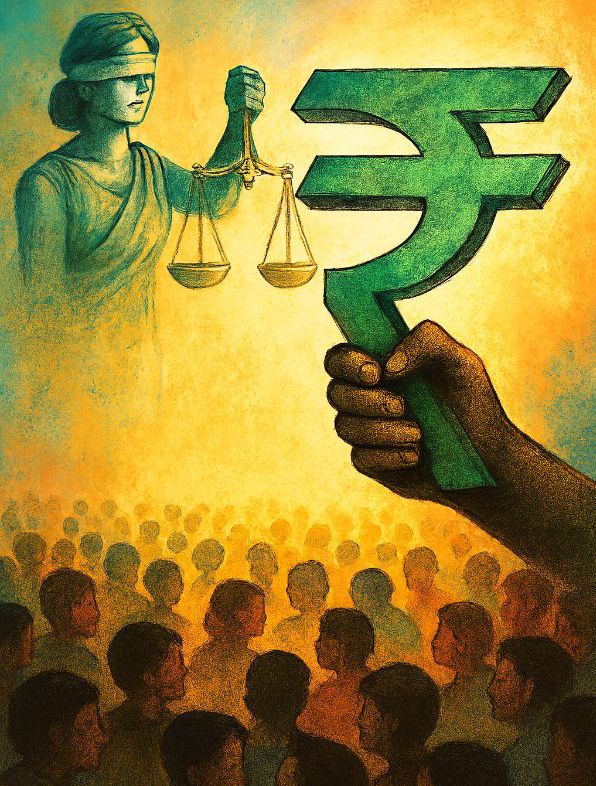
স্বার্থ ও অর্থনৈতিক চাপ: সংরক্ষণ কার্যক্রম ও পরিবর্তন প্রায়ই রাজস্ব বা জীবিকার সঙ্গে সরাসরি সংঘর্ষ মনে হয়—এ কারণেই সমালোচনাহীন নীরবতা দেখা যায়। (এখানে ‘টাকা’-নির্ভরতা বোঝানো, কিন্তু বিস্তারিত অসমাপ্ত কারণগুলো সামাজিক ও কাঠামোগত)।
রাজনৈতিক অগ্রাধিকারবিহীনতা: স্বল্পমেয়াদি অর্থনৈতিক সূচক বৃদ্ধি রাজনৈতিক কর্মসূচিতে অগ্রাধিকার পায়; দীর্ঘমেয়াদি পরিবেশগত বিনিয়োগ নেগ্লেক্ট হয়।
জ্ঞান ও দায়িত্ব ভাগাভাগি না হওয়া: ব্যক্তি, শিল্প ও রাষ্ট্র—এই তিন স্তরেই ঝোঁক ও দায়বদ্ধতা স্পষ্ট নয়; একে অপরকে দোষারোপ করাই সাধারণ প্রতিক্রিয়া।
দ্রুত ফলাফল না দেখানো: পরিবেশ সংরক্ষণে অবিলম্বে দৃশ্যমান লাভ কম; তাই রাজনৈতিক ও সামাজিক মনোবৃত্তি দীর্ঘমেয়াদি শৃঙ্খলাকে সমর্থন করে না।
৩) সরকারের দায়িত্ব — বাস্তব, ব্যবহারিক ও প্রয়োজনীয় পদক্ষেপ (সংক্ষেপে ও শ্রেনীবদ্ধ)
A. নীতিগত কাঠামো ও আইন-প্রয়োগ
শক্তিশালী, বৈজ্ঞানিকভাবে নির্ভর পরিবেশ নীতি গ্রহণ ও বাস্তবায়ন; নির্দিষ্ট লক্ষ্যমাত্রা (GHG reduction targets, deforestation reduction targets, plastic leakage reduction) নির্ধারণ এবং নিয়মিত অডিট।
দূষণ নিয়ন্ত্রণে কঠোর বিধি ও অনুশীলন, শিল্পে নির্গমন মানদণ্ড কঠোরভাবে চাপানো এবং ফাইন/শাস্তির উপযুক্ত প্রণালী বজায় রাখা।
B. বিনিয়োগ ও আর্থিক প্রণোদনা
পুনর্নবীকরণযোগ্য শক্তি, পরিবেশবান্ধব শিল্পপ্রকৌশল ও সাস্টেইনেবল কৃষিতে সরকারী বিনিয়োগ বৃদ্ধি; ক্ষতিকর উপাদান ব্যবহার কমাতে প্রণোদনা।
টেকসই প্রকল্পে ট্যাক্স ছাড়, গ্রিন বন্ড ইস্যু, ক্ষুদ্র উদ্যোগকে সহায়তা — যাতে পরিবেশবান্ধব পরিবর্তন লাভজনক হয়।
C. সংরক্ষণ, পুনর্নির্মাণ ও জরুরি প্রস্তুতি
বন সংরক্ষণ ও পুনরুদ্ধারে বাস্তব কার্যক্রম; স্থানীয় সম্প্রদায়কে যুক্ত করে বন-ভিত্তিক আর্থ-সামাজিক উপায় তৈরি।
উপকূলীয় ও নগর এলাকায় জলের সমস্যার জন্য অভিযোজন (adaptation) নীতি—প্লাস্টিক নিয়ন্ত্রণ, বন্যা প্রণালী উন্নয়ন, বর্জ্য ব্যবস্থাপনা শক্তিশালী করা।
D. স্বাস্থ্য ও পরিবেশ সংযুক্ত নীতি
বায়ু ও জলমান উন্নয়নে সরাসরি জনস্বাস্থ্য নীতি; বায়ু দূষণ কমাতে দৃশ্যমান পরিকল্পনা (পরিবহন, শক্তি, নির্মাণখাতে মানদণ্ড)।
E. শিক্ষা, জাগরণ এবং দায়িত্ববোধ গঠন
স্কুল থেকে শুরু করে জনসচেতনতা ক্যাম্পেইন; সহজ, কর্মসম্পাদনযোগ্য রুটিন (রিসাইক্লিং, প্লাস্টিক-বিহীন উদ্যোগ, শক্তি-সংরক্ষণ) প্রচার।
স্থানীয় নেতৃত্ব ও নাগরিক অংশগ্রহণ বাড়ানো — পরিবেশ রক্ষার দায়িত্ব কেবল সরকার নয়, সমাজসহ সবাইকে নিতে হবে।
৪) বাস্তবায়ন ও মনিটরিং — কিভাবে সফলতা মাপা হবে?
স্পষ্ট সূচক নির্ধারণ: PM2.5/PM10, CO₂ পিপিএম, সাগর-উষ্ণতা, বন-আচ্ছাদন হার, প্লাস্টিক লিকেজ টন প্রতি বছর ইত্যাদি। নিয়মিত প্রকাশিত রিপোর্ট ও স্বাধীন তৃতীয় পক্ষের অডিট বাধ্যতামূলক করা উচিত।
উপসংহার — নীরবতা আর মানায় না পরিবেশ ধ্বংসের সূচকগুলো ইতিমধ্যে বাস্তব এবং দ্রুতগতিতে ক্ষতি বাড়ছে; আমরা চুপচাপ বসে থাকা আর ভাল যুক্তি দিয়ে সামান্য দেরি করার মত বিতর্কে আটকে থাকা এখন আর চলবে না। সরকারকে দৃঢ় নীতিগত, আর্থিক ও কর্মদক্ষ উদ্যোগ নিতে হবে; নাগরিকদেরও দৈনন্দিন জীবনে পরিবর্তন আনার মাধ্যমে অংশগ্রহণ করতে হবে। আধুনিক প্রযুক্তি ও জ্ঞান থাকা সত্ত্বেও রাজনৈতিক সংকল্পহীনতা বা স্বার্থান্বেষী বিন্যাস যদি বজায় থাকে, পরিবেশগত ক্ষতি অনিবার্যভাবে আরও বড় হবে—এটি শুধু পরিবেশগত সমস্যা নয়, ভবিষ্যৎ প্রজন্মের ন্যায়-বিচারের প্রশ্ন।
—
উৎস : IPCC AR6 সংকলন (ক্লাইমেট), NOAA Mauna Loa CO₂ ডাটা, FAO বনসম্পদ প্রতিবেদণ, UNEP প্লাস্টিক-দূষণ প্রতিবেদন, WHO বায়ু দূষণ প্রভাব রিপোর্ট।
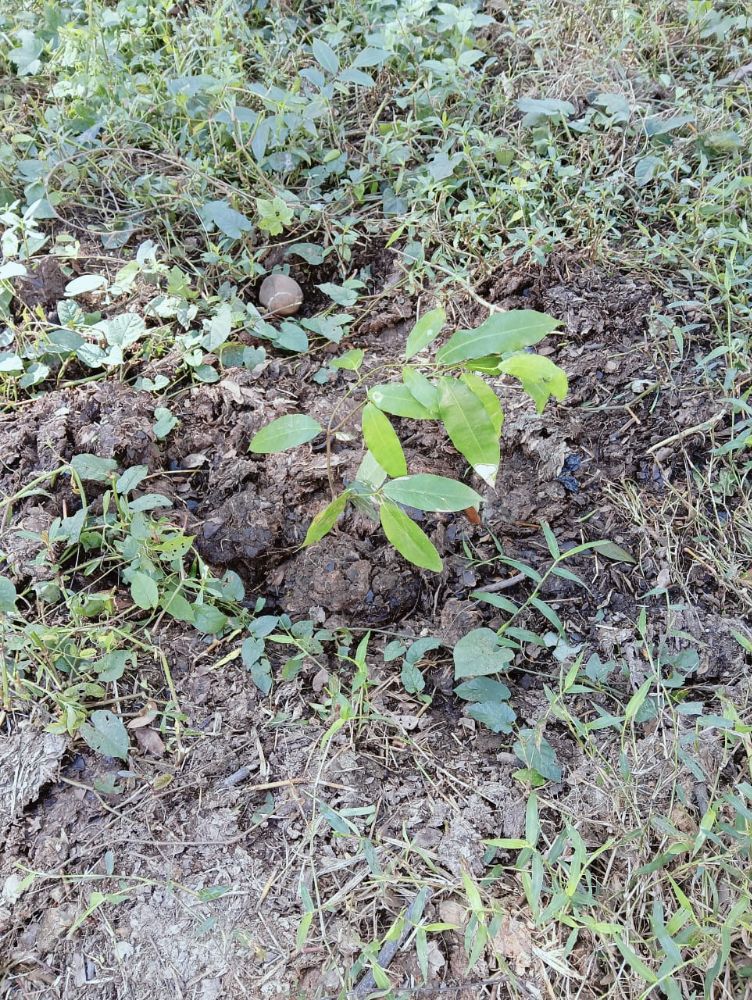
Image taken from Social Media (create real Source)
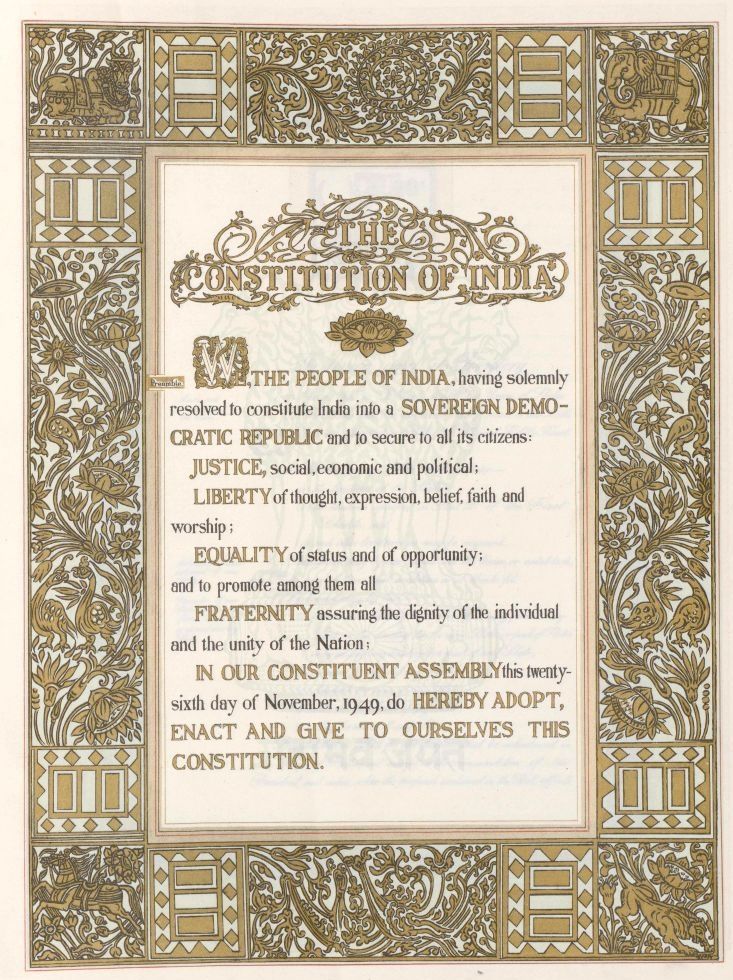
Abstract: The Constitution of India, adopted on 26th January 1950, is the supreme law of the land. It not only provides the framework for political governance but also guarantees fundamental rights, defines the powers of the legislature, executive, and judiciary, and establishes principles for social and economic justice. This article examines the nature, features, and scope of the Indian Constitution and explores its role in shaping modern Indian democracy.
1. Introduction Constitutional law forms the backbone of any democratic polity. In India, the Constitution is both a legal document and a social charter, reflecting the aspirations of a diverse nation. It is designed to provide stability, protect fundamental rights, and ensure the separation of powers among various organs of the state. Understanding its nature and scope is critical for scholars, lawmakers, and citizens alike.
2. Nature of the Indian Constitution The Indian Constitution embodies a unique synthesis of various constitutional traditions, making it distinct in its nature. Some key aspects include:
Written Constitution: Unlike the United Kingdom, India possesses a comprehensive written Constitution, which clearly enumerates the structure, functions, and powers of government institutions.
Federal Features with Unitary Bias: India exhibits a quasi-federal structure, with distribution of powers between the Centre and States, but with a clear unitary bias in times of emergency.
Rigid and Flexible: Certain provisions require a special procedure for amendment, reflecting rigidity, while others can be modified by ordinary legislative procedure, reflecting flexibility.
Sovereign and Democratic: The Constitution upholds India as a sovereign, secular, and democratic republic, guaranteeing equality and justice for all citizens.
Dynamic and Living Document: Judicial interpretations, constitutional amendments, and socio-political developments continually shape the Constitution, ensuring it remains relevant in changing times.
3. Scope of the Indian Constitution The scope of the Constitution extends beyond mere governance. It encompasses multiple dimensions:
Fundamental Rights: Protect individual liberties and prevent state overreach.
Directive Principles of State Policy: Guide the government in promoting social welfare, economic justice, and equity.
Separation of Powers: Ensures an independent judiciary, responsible executive, and accountable legislature.
Federal Relations: Regulates the relationship between the Centre and States, providing mechanisms for conflict resolution.
Amendments and Adaptability: The Constitution allows for amendments, ensuring responsiveness to social, economic, and political changes.
Judicial Review: Empowers the judiciary to strike down laws and executive actions inconsistent with constitutional provisions.
4. Significance The Indian Constitution not only provides the legal foundation for governance but also serves as a guide for nation-building. It promotes social justice, equality, and inclusivity, while balancing individual freedoms with collective responsibilities. Its adaptability ensures that it can respond to new challenges without compromising the democratic ethos.
5. Conclusion The Constitution of India represents a remarkable achievement in the history of governance, blending principles from various global constitutional models while reflecting indigenous aspirations. Its nature as a written, sovereign, and flexible document and its wide-ranging scope make it central to understanding Indian democracy. For scholars and practitioners of constitutional law, the Indian Constitution continues to be a living document, shaping the legal, political, and social landscape of the nation.
References:
1. B. Shiva Rao, The Framing of India’s Constitution, New Delhi: Universal Law Publishing, 2019.
2. Granville Austin, The Indian Constitution: Cornerstone of a Nation, New Delhi: Oxford University Press, 2016.
3. M. P. Jain, Indian Constitutional Law, New Delhi: LexisNexis, 2021.
If you want, I can also draft a version with journal-style headings, subheadings, and citations formatted in APA/Chicago style to make it directly ready for submission in a professional legal journal.
4. Durga Das Basu, Introduction to the Constitution of India, LexisNexis, 2020.
5. Various online portal
Ashish Chakraborty, MSW, MA | Digital Content & Article Writer
The world around us is facing unprecedented challenges — from climate change to pollution, our Paryavaran (environment) is at risk. Protecting it is no longer optional; it is essential for our survival and the well-being of future generations.
➤ ❶ Per Lagaw (Planting Trees) Planting trees is more than just greenery; it is nature’s armor. Trees clean the air, prevent soil erosion, and maintain ecological balance. Every tree planted is a step towards a healthier planet. 🌱
➤ ❷ Paryavaran Bachaw (Save the Environment) We must reduce waste, conserve water, and adopt sustainable practices in our daily lives. Simple actions like using reusable bags, segregating waste, and conserving electricity collectively make a massive impact. Our responsibility to protect Paryavaran defines our commitment to life itself. 🍂
➤ ❸ Politin Hotaw (Ban Plastic) Plastic pollution has invaded land and water bodies, endangering wildlife and human health. Phasing out single-use plastics and promoting alternatives is a crucial step toward restoring ecological balance.
✵ Conclusion: Environment protection is not a choice; it is a duty. Every tree planted, every habit changed, and every plastic item avoided is a contribution toward a sustainable future. Let’s embrace these 3Ps and lead by example.
“Ever reflected on your role in saving the environment? 🌱”
𝓫𝔂 : 𝒜𝓈𝒽𝒾𝓈𝒽 𝒞𝒽𝒶𝓀𝓇𝒶𝓫𝓸𝓇𝓉𝓎 ✍🏾📚⋆。˚.
“A breath of fresh air in nature’s embrace revitalizes the soul.” 🌱
✦ প্রাচীন শক্তির চাবিকাঠি বীজ মন্ত্র, যেমন “ॐ”, “ह्रीं”, “क्लीं”, শব্দ নয়, বরং চেতনার গভীরে প্রবেশকারী সূক্ষ্ম তরঙ্গ। প্রতিটি মন্ত্র নির্দিষ্ট আধ্যাত্মিক শক্তির প্রতীক। উদাহরণস্বরূপ, “क्लीं” কামদেবের আকর্ষণশক্তি প্রতিফলিত করে, আর “ह्रीं” দেবী শক্তির অন্তর্নিহিত রূপ। নিয়মিত উচ্চারণে মন, শরীর ও আত্মার মধ্যে এক গভীর সংযোগ স্থাপন হয়, যা আধ্যাত্মিক উন্নয়নের মূল চাবিকাঠি।
ওঁ নমো শিবায়
➤ বৈজ্ঞানিক প্রমাণ গবেষণায় দেখা গেছে, “ॐ” মন্ত্রের কম্পাঙ্ক প্রায় ৪৩২ Hz, যা মস্তিষ্কের আলফা তরঙ্গ সক্রিয় করে। এর ফলে মানসিক চাপ কমে, ধ্যানের গভীরতা বৃদ্ধি পায় এবং ঘুমের মান উন্নত হয়। মন্ত্রজপ sympathetic nervous system-কে শান্ত করে, ফলে হৃদস্পন্দন ও রক্তচাপ নিয়ন্ত্রণে থাকে।
২০২০ সালের গবেষণায় ধ্বনি-চিকিৎসা (sound therapy) হিসেবে মন্ত্রজপ মানসিক সুস্থতা এবং স্নায়বিক ভারসাম্য রক্ষায় কার্যকর প্রমাণিত হয়েছে।
✵ মন ও আত্মার সমন্বয় আধ্যাত্মিক দিক থেকে বীজ মন্ত্রজপ আত্মার গভীরে প্রবেশ এবং চেতনার উন্নয়নের একটি শক্তিশালী মাধ্যম। এটি কেবল মানসিক শান্তি নয়, বরং স্নায়বিক ও মানসিক স্বাস্থ্যেও সহায়ক। শব্দের কম্পাঙ্ক ও মানসিক প্রভাব প্রাচীন দর্শন এবং আধুনিক বিজ্ঞানকে একত্রিত করে।
✓ সারসংক্ষেপ বীজ মন্ত্রজপ মানসিক, শারীরিক ও আধ্যাত্মিক সুস্থতার জন্য কার্যকর। এটি বর্তমান জীবনের চাপ ও অস্থিরতার জন্য প্রাকৃতিক, নিরাপদ এবং প্রমাণিত একটি পদ্ধতি।
—
📚 Sources:
1. Mantra Yoga and Primal Sound – David Frawley
2. International Journal of Yoga, 2011, “Effect of Om chanting on brain activity”
3. Journal of Ayurveda and Integrative Medicine, 2012
4. Frontiers in Psychology, 2020, “Sound-based meditation and its effects on stress”
𝓫𝔂 : 𝒜𝓈𝒽𝒾𝓈𝒽 𝒞𝒽𝒶𝓀𝓇𝒶𝓫𝓸𝓇𝓉𝓎 ✍🏾📚⋆。˚. Author ✒️ – Ashish Chakraborty, MSW, MA (P Sci) | Blog & Articule Writer • Poet • Literary Artist • Digital Content writter.
ভূমিকা: ভারতবর্ষে জনসংখ্যা ও দুর্নীতি—দুটি শব্দ, দুটি বাস্তবতা, কিন্তু কি এরা একে অপরের পরিপূরক? এই প্রশ্নটাই আমাদের ভাবতে বাধ্য করে। যেখানে জনসংখ্যা বৃদ্ধি একটি প্রাকৃতিক ও সামাজিক চ্যালেঞ্জ, সেখানে দুর্নীতি একটি নৈতিক ও প্রশাসনিক ব্যর্থতা। কিন্তু এই দুটি সমস্যা কি একে অপরকে উৎসাহিত করে? এই লেখায় আমরা সেই সম্পর্ক, প্রভাব এবং সম্ভাব্য সমাধান নিয়ে যুক্তিনির্ভর বিশ্লেষণ করব।
👥 জনসংখ্যা: সংখ্যার শক্তি না দুর্বলতা?
ভারতের জনসংখ্যা ১৪০ কোটিরও বেশি। এই বিপুল সংখ্যক মানুষ যদি শিক্ষিত, সচেতন ও কর্মক্ষম হয়, তাহলে এরা জাতির শক্তি। কিন্তু যখন—
শিক্ষা সীমিত,
স্বাস্থ্যসেবা দুর্বল,
কর্মসংস্থান অনিশ্চিত— তখন এই সংখ্যা হয়ে ওঠে চাপ, প্রতিযোগিতা, এবং অসন্তোষের উৎস।
এই পরিস্থিতিতে মানুষ জীবনের মৌলিক চাহিদা পূরণে বাধ্য হয় সংক্ষিপ্ত পথ বেছে নিতে—যা দুর্নীতির দিকে ঠেলে দেয়।
💰 দুর্নীতি: সুযোগের অভাবে অন্যায়ের পথ
দুর্নীতি কেবল অর্থের লেনদেন নয়, এটি একটি মনোভাব—যেখানে মানুষ বিশ্বাস করে, “সিস্টেমে কিছুই সম্ভব নয়, যদি না ঘুষ দাও।” এই বিশ্বাস জন্ম নেয় যখন—
সরকারি পরিষেবা ধীর,
বিচারব্যবস্থা জটিল,
এবং জনসংখ্যার চাপ প্রশাসনকে দুর্বল করে তোলে।
অধিক জনসংখ্যা মানে অধিক আবেদন, অধিক দাবি, এবং অধিক অসন্তোষ। এই চাপের মধ্যে দুর্নীতি হয়ে ওঠে ‘সমাধানের’ সহজ পথ।
🔗 সম্পর্ক: জনসংখ্যা কি দুর্নীতিকে বাড়ায়?
তথ্য ও যুক্তি বলছে—
অধিক জনসংখ্যা প্রশাসনিক ব্যবস্থাকে দুর্বল করে।
দুর্বল প্রশাসন দুর্নীতিকে উৎসাহ দেয়।
দুর্নীতির কারণে সাধারণ মানুষ বঞ্চিত হয়, এবং অসন্তোষ বাড়ে।
অসন্তোষ থেকে জন্ম নেয় সামাজিক অস্থিরতা, যা আবার জনসংখ্যা নিয়ন্ত্রণের প্রচেষ্টাকে ব্যাহত করে।
এটি একটি চক্র, যেখানে জনসংখ্যা ও দুর্নীতি একে অপরকে পুষ্ট করে।
🧠 সমাধান: যুক্তি, শিক্ষা ও নীতির পুনর্গঠন
এই সমস্যার সমাধান কোনো একক পদক্ষেপে সম্ভব নয়। প্রয়োজন সমন্বিত, যুক্তিনির্ভর ও নৈতিক পদক্ষেপ—
শিক্ষা:
জনসংখ্যা নিয়ন্ত্রণ ও দুর্নীতিবিরোধী শিক্ষা পাঠ্যক্রমে অন্তর্ভুক্ত করা
নৈতিক শিক্ষা ও নাগরিক অধিকার সম্পর্কে সচেতনতা
প্রযুক্তি ও স্বচ্ছতা:
ডিজিটাল প্রশাসন, যাতে ঘুষের সুযোগ কমে
তথ্যের সহজপ্রাপ্যতা, যাতে মানুষ জানে তারা কী পাওয়ার অধিকার রাখে
আইন ও শাস্তি:
দুর্নীতির বিরুদ্ধে দ্রুত বিচার
জনসংখ্যা নিয়ন্ত্রণে উৎসাহমূলক নীতি (যেমন: শিক্ষিত দম্পতির জন্য কর ছাড়)
উপসংহার:
বিজনসংখ্যা ও দুর্নীতি—দুটি সমস্যা, কিন্তু একটি জাতির ভবিষ্যতের জন্য একত্রে সবচেয়ে বড় চ্যালেঞ্জ। এই চ্যালেঞ্জ মোকাবিলায় আমাদের প্রয়োজন যুক্তি, নৈতিকতা, এবং সাহস। যদি আমরা সংখ্যাকে শক্তিতে রূপান্তর করতে পারি, এবং দুর্নীতিকে ন্যায়ের আলোয় পরাজিত করতে পারি—তবে ভারতবর্ষ সত্যিই উন্নত হবে।
𝓫𝔂 : 𝒜𝓈𝒽𝒾𝓈𝒽 𝒞𝒽𝒶𝓀𝓇𝒶𝓫𝓸𝓇𝓉𝓎 ✍🏾📚⋆。˚.
writter ✒️ – Ashish Chakraborty, MSW, MA (P Sci) | Blog & Articule Writer• Literary Artist • Digital Content writter
As someone deeply rooted in voluntary social service, I’ve come to believe that the most powerful principle in social work is simple yet transformative:
“Help the people to help themselves.”
My Faith (Image source:Self generate)
I first encountered this principle during my BSW/Master in Social Work studies (2010–2015), and while I may have forgotten much of the academic content, this one idea stayed with me. Over the years, I’ve seen how it works—not just in theory, but in the real world, especially in the grassroots context of Assam.
Why This Principle Matters ?
This principle shifts the focus from charity to empowerment. It doesn’t treat people as passive recipients of aid, but as active participants in their own progress. It respects their dignity, their potential, and their right to shape their future.
In my experience, when communities are given the tools, knowledge, and space to act, they respond with resilience and creativity. Whether it’s environmental awareness, poverty alleviation, or social education—solutions become sustainable only when people own them.
Practical Effectiveness in Grassroots Work
In Assam’s diverse regions, I’ve seen firsthand how this principle translates into action:
Awareness drives that help villagers understand their rights, health, and environment.
Community-led initiatives where local volunteers take charge of sanitation, education, or cultural preservation.
Information sharing that enables people to access government schemes without dependency.
Strategic guidance that helps youth and families solve problems without waiting for external aid.
Often, we assume funding is the key to impact. But I’ve found that strategy, awareness, education, and proper information can solve nearly 60% of social problems—without money. What’s needed is committed human energy, not just financial resources.
My Stand and Invitation
I humbly declare: If ever my voluntary social service becomes entangled with personal economic or political interests, I invite you to openly boycott me and hold me accountable. My commitment to this principle is firm. If I deviate, question me, stop me, and reject me.
Currently, I bear small costs personally, but I do not believe in dependency. I believe in self-dependency and people’s rights. That’s why we are moving forward—without any external fund, but with full faith in voluntary manpower.
We welcome anyone who shares this vision. Even 400 hours a year, from your own place, can make a meaningful contribution.
Let us build a movement where service is not about control, but about liberation. Let us help people help themselves—and in doing so, help society heal itself.
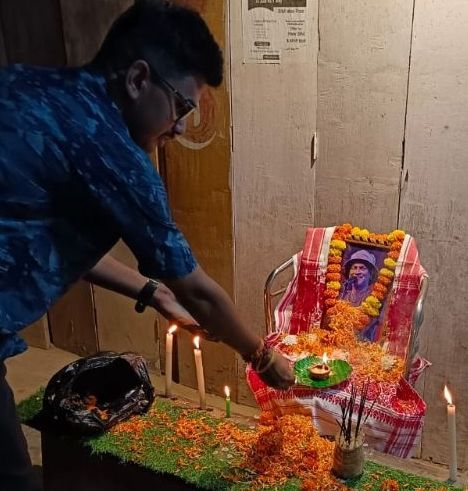
জুবিন দা: A Legend Beyond Recognition, Soul of Assam
জুবিন গার্গ—আমাদের Juveen Da—শুধু আসামের নয়, West Bengal এবং দেশের অন্যান্য অংশেরও হৃদয়ের প্রিয়। তিনি সত্যিই ভারতের finest artists-এর একজন। 38,000+ songs across 40 languages রেকর্ড করেছেন, যা এক অনন্য অবদান। এমনকি কিছু দিনে তিনি 30–35 songs রেকর্ড করেছেন। তার voice স্পর্শ করেছে Assamese, Bengali, Bollywood, এবং আরও অনেক regional industries।
Larger Than Life
জুবিন দার কোনো recognition বা introduction-এর প্রয়োজন ছিল না। তিনি ছিলেন larger than life। Bollywood তাকে শোনে unforgettable tracks যেমন Ya Ali (Gangster) এবং Dil Tu Hi Bata (Krrish 3)-এ। আজও এই গানগুলি প্রতিটি listener-এর মনে বাজে।
একজন fan হিসেবে—❓How much did Zubeen Da give to Bollywood, and what did Bollywood truly return to him? সত্যি বলতে, তিনি কোনো recognition-এর জন্য অপেক্ষা করেননি—কারণ উনি নিজেই এক Living Industry, larger than life। তারপরও আমার মনে হয়—❓Shouldn’t the Government of India consider him for the Bharat Ratna? এটা আমার personal emotion, তার multidimensional contribution-এর জন্য: music, social service, environmental work, এবং কোটি মানুষের faith ও love।
Beyond Music: Humanity & Service
জুবিন দার জীবন ছিল humanity-এর এক জীবন্ত উদাহরণ। তিনি বলেছিলেন, “I have no caste, no religion, I am like Kanchenjunga.” এবং তিনি সেই সত্যকে জীবনে পালন করেছেন। মানসিকভাবে অসুস্থ মানুষ থেকে শুরু করে poorest tea stall worker—সকলেই তাকে দেখেছেন কেবল superstar নয়, বরং একজন kindred soul। তার generosity, voluntary service, এবং মানুষের সাথে genuine connection তাকে সকলের heart-এ এক special place দিয়েছে।
A Legacy Remembered
তার প্রিয়তার প্রমাণ দেখা গেছে তার funeral-এ, যেখানে 10 lakh+ people সমবেত হয়েছেন—crying, grieving, yet united in tribute। সেই মুহূর্ত দেখায় যে, তিনি কেবল একজন singer নন, তিনি আসামের soul।
একজন fan হিসেবে, আমি humble অনুরোধ করি: আমার words বিকৃত করবেন না, কোনো controversy তৈরি করবেন না। এগুলো আমার genuine emotion, যা এখনো শোনায় Zubeen Da-এর voice, অনুভব হয় তার presence, এবং তার spirit বেঁচে আছে প্রতিটি heart-এ।
Author ✒️ – Ashish Chakraborty, MSW, MA (Political Science) | Writer • Poet • Literary Artist • Digital Content Creator
Ashish Chakraborty MSW (Specialization: Human Rights), MA Writer | Blogger | Digital Content Writter
Curtsey to the real owner of image (Kolkata express) of the photo
ভূমিকা স্বপ্ন দেখা সহজ, কিন্তু সেই স্বপ্নকে বাস্তবে রূপ দেওয়া এক কঠিন লড়াই। দারিদ্র্য, অভাব আর সামাজিক বাঁধা প্রায়শই তরুণদের স্বপ্নকে চাপা দেয়। কিন্তু কেউ কেউ আছেন, যারা প্রতিটি শিকল ভেঙে নিজেদের ভাগ্যকে নতুন করে লেখেন। শুভমের গল্প তেমনই এক জীবন্ত উদাহরণ।
শৈশব ও সংগ্রামের শুরু
শুভমের পরিবার ছিল দরিদ্র। সংসারের ভরণপোষণের জন্য ছোটবেলাতেই তাকে রাজমিস্ত্রির কাজে নামতে হয়েছিল। দিনভর সূর্যের নিচে ইট–বালির ধুলোয় খেটে যাওয়া, আর রাতে ক্ষুধার্ত শরীর নিয়ে পড়াশোনা চালিয়ে যাওয়া—এই ছিল তার জীবন।
তার চোখে একটাই স্বপ্ন—একদিন চিকিৎসক হবে, মানুষের জীবন বাঁচাবে।
অধ্যবসায়ের পথে
✶ রাতের পর রাত জেগে পড়াশোনা করেছে। ✶ দিনে রাজমিস্ত্রির কাজে পরিশ্রম করেছে। ✶ প্রতিটি পয়সা জমিয়ে বই কিনেছে।
অসংখ্যবার হাল ছাড়ার মতো পরিস্থিতি তৈরি হলেও শুভম বিশ্বাস হারায়নি। তার মনে গেঁথে ছিল—“দারিদ্র্য আমার জন্মদোষ নয়, কিন্তু স্বপ্ন হার মানালে তা আমার অপরাধ।”
সাফল্যের দ্বারপ্রান্তে
আজ শুভম চিকিৎসক হওয়ার দ্বারে। রাজমিস্ত্রির হাত, যে হাত একদিন দেয়াল তুলত, আজ সেই হাতই মানুষকে সুস্থ করবে। এটা শুধু এক ব্যক্তির সাফল্য নয়—এটা অসংখ্য সাধারণ তরুণের আশা ও বিশ্বাসের প্রতীক।
অনুপ্রেরণা
শুভম প্রমাণ করেছে— ✦➔ পরিস্থিতি যতই প্রতিকূল হোক না কেন, অধ্যবসায় আর বিশ্বাস থাকলে অসম্ভব বলে কিছু থাকে না।
এই গল্প প্রত্যেক স্বপ্নবাজ তরুণের জন্য এক প্রেরণা। তুমি যে-ই হও, যে অবস্থাতেই থাকো, যদি সত্যিই বিশ্বাস রাখো তবে ভাগ্যকে নতুন করে লেখা যায়।
উপসংহার
শুভমের জীবন আমাদের শেখায়— ঘাম, শ্রম আর সংকল্পই স্বপ্নকে বাস্তবে রূপ দেয়। রাজমিস্ত্রি থেকে চিকিৎসক হওয়ার যাত্রা শুধু তার ব্যক্তিগত বিজয় নয়, সমগ্র সমাজের জন্য এক আলোকবর্তিকা।





 Ashish Blogger | Writer | Socio-Environmental Volunteer