Ashish Blogger | Writer | Socio-Environmental Volunteer

Tag: God Beliver

  • Five-Day Festival of Light: A Spiritual & Logical Reflection

    The five-day celebration — Narak Chaturdashi, Lakshmi Puja, Govardhan Puja and Bhai Duj — is not merely ritual but symbolises a journey of purification of the self, unity among people and victory of the inner spirit.
    In this article I do not claim to deliver the final or definitive shāstric (scriptural) interpretation — I speak from limited understanding, from a simple heart and mind. The Vedic tradition is vast like an ocean, and perhaps in one lifetime, analysing it fully is beyond most of us. Read this with reason, freely, and if you find errors or omissions, I accept them humbly.
    1. Narak Chaturdashi: Cleansing & Light

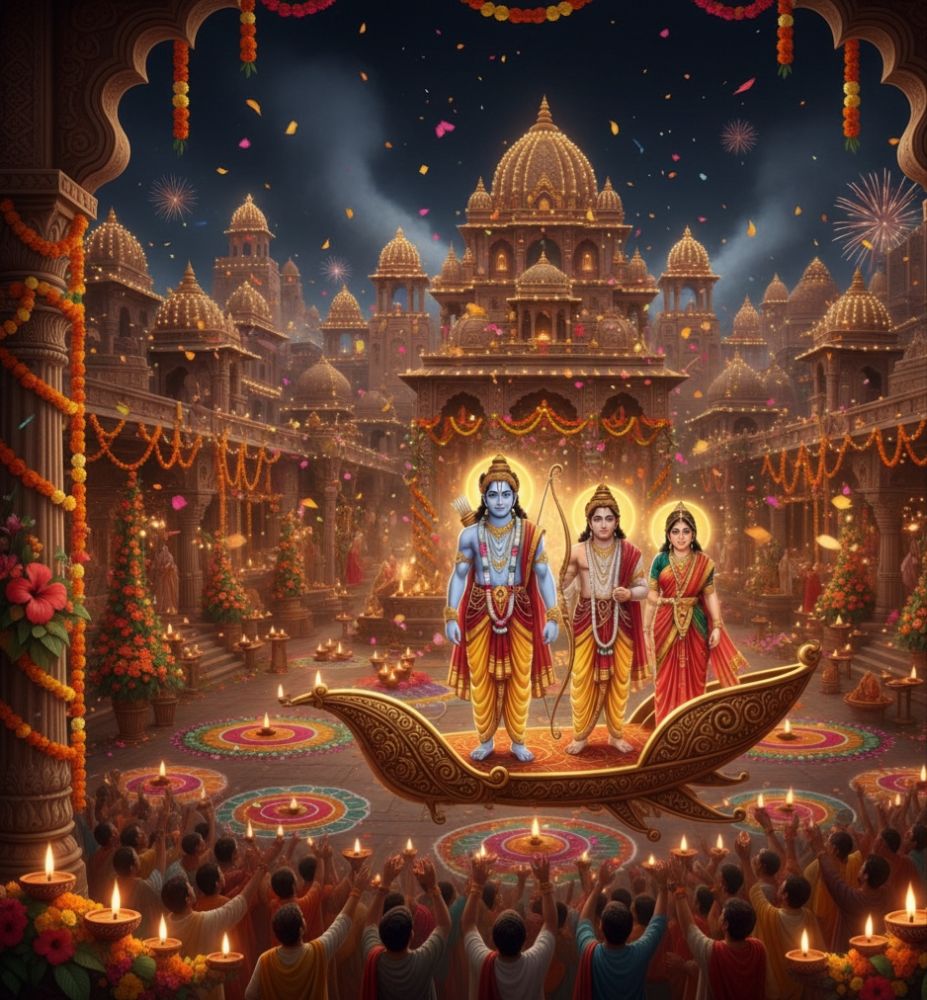
    Often called “Chhoti Diwali,” Narak Chaturdashi is observed on the 14th day of Krishna Paksha in Kartik (or Ashvin) month.  It commemorates the triumph of righteousness over the demon Narakasura — and more importantly symbolises the purification of the body and mind before new light enters.  This day invites us to let go of ignorance, ego and negativity, and prepare for the coming prosperity of the heart and home.

    2. Lakshmi Puja: Honour & Prosperity

    On the main day, Lakshmi Puja invokes the goddess of wealth and well-being — not only material but spiritual prosperity. The hymn says,

    > â€œā¤¯ā¤¤āĨā¤° ā¤¨ā¤žā¤°āĨā¤¯ā¤¸āĨā¤¤āĨ ā¤ĒāĨ‚ā¤œāĨā¤¯ā¤¨āĨā¤¤āĨ‡ ā¤°ā¤Žā¤¨āĨā¤¤āĨ‡ ⤤⤤āĨā¤° ā¤ĻāĨ‡ā¤ĩā¤¤ā¤žâ€Ļ” — “Where women are honoured, the gods dwell there.”
    This reminds us that respect for women and nurturing of feminine energy in society truly lead to abundance.
    Moreover, the verse
    â€œā¤§ā¤°āĨā¤ŽāĨ‹ ⤰⤕āĨā¤ˇā¤¤ā¤ŋ ⤰⤕āĨā¤ˇā¤ŋā¤¤ā¤ƒâ€ — “Dharma protects those who protect it” —
    serves as a guiding principle: the light of Diwali is the light of dharma-righteousness.
    Through offering to Lakshmi we symbolise unity, purity and conscious flourishing.

    3. Govardhan Puja: Gratitude to Nature and the Divine

    This day commemorates the lifting of the egg-hill Govardhan by Krishna to protect villagers from torrential rains — a symbolic act of trust in nature and divine protection. It calls us to recognise inter-dependence — humans, nature, divine energy — and to align our lives in harmony, humility and reverence.

    4. Bhai Duj: Bond of Siblinghood and Social Unity

    On Bhai Duj siblings reaffirm ties of love and responsibility. Beyond the ritual, it stands for social harmony, mutual support and collective joy. In the larger sense, it invites us to see all human beings as “brothers and sisters” in one family under the divine light.

    5. The Deeper Spiritual Message

    Taken together, these days map a spiritual journey:

    Purification of self (Narak Chaturdashi)

    Honour and prosperity (Lakshmi Puja)

    Gratitude and unity with nature (Govardhan Puja)

    Social bonding and human community (Bhai Duj)

    It affirms that festivals aren’t just external rituals — they are frameworks for inner transformation, ethical living and collective upliftment.

    6. A Humble Admission

    I recognise my knowledge is limited — the scriptures are far deeper than my understanding. If you find faults, inaccuracies or broader truths beyond what I address, I accept and welcome your perspective. This is not definitive scripture commentary — just a humble reflection from one among many.

    May the light of this festival not only brighten homes, but awaken hearts.
    īŒē Jaya Maa. īŒē

  • āĻŦā§€āϜ āĻŽāĻ¨ā§āĻ¤ā§āϰ⧇āϰ āφāĻ§ā§āϝāĻžāĻ¤ā§āĻŽāĻŋāĻ• āĻ“ āĻŦ⧈āĻœā§āĻžāĻžāύāĻŋāĻ• āϗ⧁āĻŖ: āĻĒā§āϰāĻĢ⧇āĻļāύāĻžāϞ āĻŦāĻŋāĻļā§āϞ⧇āώāĻŖ

    âœĻ āĻĒā§āϰāĻžāĻšā§€āύ āĻļāĻ•ā§āϤāĻŋāϰ āϚāĻžāĻŦāĻŋāĻ•āĻžāĻ āĻŋ
    āĻŦā§€āϜ āĻŽāĻ¨ā§āĻ¤ā§āϰ, āϝ⧇āĻŽāύ “āĨ”, “ā¤šāĨā¤°āĨ€ā¤‚”, “⤕āĨā¤˛āĨ€ā¤‚”, āĻļāĻŦā§āĻĻ āύāϝāĻŧ, āĻŦāϰāĻ‚ āĻšā§‡āϤāύāĻžāϰ āĻ—āĻ­ā§€āϰ⧇ āĻĒā§āϰāĻŦ⧇āĻļāĻ•āĻžāϰ⧀ āϏ⧂āĻ•ā§āĻˇā§āĻŽ āϤāϰāĻ™ā§āĻ—āĨ¤ āĻĒā§āϰāϤāĻŋāϟāĻŋ āĻŽāĻ¨ā§āĻ¤ā§āϰ āύāĻŋāĻ°ā§āĻĻāĻŋāĻˇā§āϟ āφāĻ§ā§āϝāĻžāĻ¤ā§āĻŽāĻŋāĻ• āĻļāĻ•ā§āϤāĻŋāϰ āĻĒā§āϰāϤ⧀āĻ•āĨ¤ āωāĻĻāĻžāĻšāϰāĻŖāĻ¸ā§āĻŦāϰ⧂āĻĒ, “⤕āĨā¤˛āĨ€ā¤‚” āĻ•āĻžāĻŽāĻĻ⧇āĻŦ⧇āϰ āφāĻ•āĻ°ā§āώāĻŖāĻļāĻ•ā§āϤāĻŋ āĻĒā§āϰāϤāĻŋāĻĢāϞāĻŋāϤ āĻ•āϰ⧇, āφāϰ “ā¤šāĨā¤°āĨ€ā¤‚” āĻĻ⧇āĻŦā§€ āĻļāĻ•ā§āϤāĻŋāϰ āĻ…āĻ¨ā§āϤāĻ°ā§āύāĻŋāĻšāĻŋāϤ āϰ⧂āĻĒāĨ¤ āύāĻŋāϝāĻŧāĻŽāĻŋāϤ āωāĻšā§āϚāĻžāϰāϪ⧇ āĻŽāύ, āĻļāϰ⧀āϰ āĻ“ āφāĻ¤ā§āĻŽāĻžāϰ āĻŽāĻ§ā§āϝ⧇ āĻāĻ• āĻ—āĻ­ā§€āϰ āϏāĻ‚āϝ⧋āĻ— āĻ¸ā§āĻĨāĻžāĻĒāύ āĻšāϝāĻŧ, āϝāĻž āφāĻ§ā§āϝāĻžāĻ¤ā§āĻŽāĻŋāĻ• āωāĻ¨ā§āύāϝāĻŧāύ⧇āϰ āĻŽā§‚āϞ āϚāĻžāĻŦāĻŋāĻ•āĻžāĻ āĻŋāĨ¤

    āĻ“āρ āύāĻŽā§‹ āĻļāĻŋāĻŦāĻžāϝāĻŧ

    ➤ āĻŦ⧈āĻœā§āĻžāĻžāύāĻŋāĻ• āĻĒā§āϰāĻŽāĻžāĻŖ
    āĻ—āĻŦ⧇āώāĻŖāĻžāϝāĻŧ āĻĻ⧇āĻ–āĻž āϗ⧇āϛ⧇, “āĨ” āĻŽāĻ¨ā§āĻ¤ā§āϰ⧇āϰ āĻ•āĻŽā§āĻĒāĻžāĻ™ā§āĻ• āĻĒā§āϰāĻžāϝāĻŧ ā§Ēā§Šā§¨ Hz, āϝāĻž āĻŽāĻ¸ā§āϤāĻŋāĻˇā§āϕ⧇āϰ āφāϞāĻĢāĻž āϤāϰāĻ™ā§āĻ— āϏāĻ•ā§āϰāĻŋāϝāĻŧ āĻ•āϰ⧇āĨ¤ āĻāϰ āĻĢāϞ⧇ āĻŽāĻžāύāϏāĻŋāĻ• āϚāĻžāĻĒ āĻ•āĻŽā§‡, āĻ§ā§āϝāĻžāύ⧇āϰ āĻ—āĻ­ā§€āϰāϤāĻž āĻŦ⧃āĻĻā§āϧāĻŋ āĻĒāĻžāϝāĻŧ āĻāĻŦāĻ‚ āϘ⧁āĻŽā§‡āϰ āĻŽāĻžāύ āωāĻ¨ā§āύāϤ āĻšāϝāĻŧāĨ¤ āĻŽāĻ¨ā§āĻ¤ā§āϰāϜāĻĒ sympathetic nervous system-āϕ⧇ āĻļāĻžāĻ¨ā§āϤ āĻ•āϰ⧇, āĻĢāϞ⧇ āĻšā§ƒāĻĻāĻ¸ā§āĻĒāĻ¨ā§āĻĻāύ āĻ“ āϰāĻ•ā§āϤāϚāĻžāĻĒ āύāĻŋāϝāĻŧāĻ¨ā§āĻ¤ā§āϰāϪ⧇ āĻĨāĻžāϕ⧇āĨ¤

    ⧍ā§Ļ⧍ā§Ļ āϏāĻžāϞ⧇āϰ āĻ—āĻŦ⧇āώāĻŖāĻžāϝāĻŧ āĻ§ā§āĻŦāύāĻŋ-āϚāĻŋāĻ•āĻŋā§ŽāϏāĻž (sound therapy) āĻšāĻŋāϏ⧇āĻŦ⧇ āĻŽāĻ¨ā§āĻ¤ā§āϰāϜāĻĒ āĻŽāĻžāύāϏāĻŋāĻ• āϏ⧁āĻ¸ā§āĻĨāϤāĻž āĻāĻŦāĻ‚ āĻ¸ā§āύāĻžāϝāĻŧāĻŦāĻŋāĻ• āĻ­āĻžāϰāϏāĻžāĻŽā§āϝ āϰāĻ•ā§āώāĻžāϝāĻŧ āĻ•āĻžāĻ°ā§āϝāĻ•āϰ āĻĒā§āϰāĻŽāĻžāĻŖāĻŋāϤ āĻšāϝāĻŧ⧇āϛ⧇āĨ¤

    âœĩ āĻŽāύ āĻ“ āφāĻ¤ā§āĻŽāĻžāϰ āϏāĻŽāĻ¨ā§āĻŦāϝāĻŧ
    āφāĻ§ā§āϝāĻžāĻ¤ā§āĻŽāĻŋāĻ• āĻĻāĻŋāĻ• āĻĨ⧇āϕ⧇ āĻŦā§€āϜ āĻŽāĻ¨ā§āĻ¤ā§āϰāϜāĻĒ āφāĻ¤ā§āĻŽāĻžāϰ āĻ—āĻ­ā§€āϰ⧇ āĻĒā§āϰāĻŦ⧇āĻļ āĻāĻŦāĻ‚ āĻšā§‡āϤāύāĻžāϰ āωāĻ¨ā§āύāϝāĻŧāύ⧇āϰ āĻāĻ•āϟāĻŋ āĻļāĻ•ā§āϤāĻŋāĻļāĻžāϞ⧀ āĻŽāĻžāĻ§ā§āϝāĻŽāĨ¤ āĻāϟāĻŋ āϕ⧇āĻŦāϞ āĻŽāĻžāύāϏāĻŋāĻ• āĻļāĻžāĻ¨ā§āϤāĻŋ āύāϝāĻŧ, āĻŦāϰāĻ‚ āĻ¸ā§āύāĻžāϝāĻŧāĻŦāĻŋāĻ• āĻ“ āĻŽāĻžāύāϏāĻŋāĻ• āĻ¸ā§āĻŦāĻžāĻ¸ā§āĻĨā§āϝ⧇āĻ“ āϏāĻšāĻžāϝāĻŧāĻ•āĨ¤ āĻļāĻŦā§āĻĻ⧇āϰ āĻ•āĻŽā§āĻĒāĻžāĻ™ā§āĻ• āĻ“ āĻŽāĻžāύāϏāĻŋāĻ• āĻĒā§āϰāĻ­āĻžāĻŦ āĻĒā§āϰāĻžāĻšā§€āύ āĻĻāĻ°ā§āĻļāύ āĻāĻŦāĻ‚ āφāϧ⧁āύāĻŋāĻ• āĻŦāĻŋāĻœā§āĻžāĻžāύāϕ⧇ āĻāĻ•āĻ¤ā§āϰāĻŋāϤ āĻ•āϰ⧇āĨ¤

    ✓ āϏāĻžāϰāϏāĻ‚āĻ•ā§āώ⧇āĻĒ
    āĻŦā§€āϜ āĻŽāĻ¨ā§āĻ¤ā§āϰāϜāĻĒ āĻŽāĻžāύāϏāĻŋāĻ•, āĻļāĻžāϰ⧀āϰāĻŋāĻ• āĻ“ āφāĻ§ā§āϝāĻžāĻ¤ā§āĻŽāĻŋāĻ• āϏ⧁āĻ¸ā§āĻĨāϤāĻžāϰ āϜāĻ¨ā§āϝ āĻ•āĻžāĻ°ā§āϝāĻ•āϰāĨ¤ āĻāϟāĻŋ āĻŦāĻ°ā§āϤāĻŽāĻžāύ āĻœā§€āĻŦāύ⧇āϰ āϚāĻžāĻĒ āĻ“ āĻ…āĻ¸ā§āĻĨāĻŋāϰāϤāĻžāϰ āϜāĻ¨ā§āϝ āĻĒā§āϰāĻžāĻ•ā§ƒāϤāĻŋāĻ•, āύāĻŋāϰāĻžāĻĒāĻĻ āĻāĻŦāĻ‚ āĻĒā§āϰāĻŽāĻžāĻŖāĻŋāϤ āĻāĻ•āϟāĻŋ āĻĒāĻĻā§āϧāϤāĻŋāĨ¤

    📚 Sources:

    1. Mantra Yoga and Primal Sound – David Frawley

    2. International Journal of Yoga, 2011, “Effect of Om chanting on brain activity”


    3. Journal of Ayurveda and Integrative Medicine, 2012


    4. Frontiers in Psychology, 2020, “Sound-based meditation and its effects on stress”

    đ“Ģ𝔂 : 𝒜𝓈đ’Ŋ𝒾𝓈đ’Ŋ 𝒞đ’Ŋđ’ļ𝓀𝓇đ’ļđ“Ģ𝓸𝓇𝓉𝓎 ✍🏾📚⋆īŊĄËš.
    Author âœ’ī¸ – Ashish Chakraborty, MSW, MA (P Sci) | Blog & Articule Writer â€ĸ Poet â€ĸ Literary Artist â€ĸ Digital Content writter.

    Pages: 1 2

  • Rebirth: An Eternal Truth in Hindu Dharma and a Phenomenon in Science !

    The mystery of birth and rebirth has fascinated humankind for centuries. For some, it is faith. For others, it is an unsolved puzzle. Within Hindu Dharma, rebirth is not just a belief—it is an eternal truth, woven deeply into the philosophy of life, death, and liberation.

    Hindu Dharma: The Eternal Truth

    The Bhagavad Gita clearly states:

    “Just as a person discards worn-out clothes and wears new ones, the soul discards the old body and takes on a new one.” (Gita 2:22)

    (Credit to the Real owner of the photo)

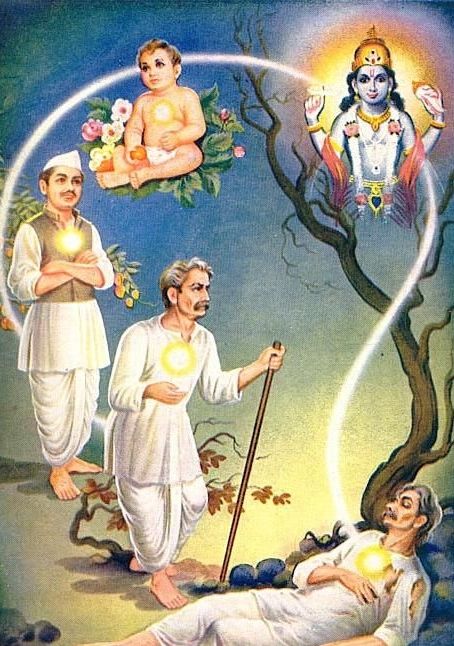
    Here, Lord Krishna explains that the Atman (soul) is eternal, unchanging, and indestructible. The body is temporary, but the soul journeys forward through countless births until it attains liberation (Moksha). This cycle of Samsara—birth, death, rebirth—is guided by the law of Karma. What we do in this life becomes the seed of the next.

    Hindu scriptures like the Upanishads and Puranas echo the same truth: death is not the end, but only a transition, a doorway to another life.

    Scientific Enquiry: Phenomenon or Puzzle?

    Modern science approaches this subject with caution, but curiosity has led to remarkable findings.
    ➤ Dr. Ian Stevenson (University of Virginia) investigated more than 2,500 children worldwide who recalled details of previous lives—names, families, deaths—that were later verified.
    ➤ In India and Sri Lanka, multiple cases documented by researchers showed children identifying villages, relatives, or events from supposed past lives with striking accuracy.
    ➤ International media like The Hindu, BBC, and The New York Times have reported such cases, often leaving readers questioning the limits of science and memory.

    While Hindu Dharma affirms rebirth as cosmic law, science describes it as a phenomenon of consciousness—perhaps memory beyond the brain, or patterns yet to be fully understood.

    My Perspective: A Bridge Between Faith and Facts

    As a reader of Hindu scriptures and journals, and as a seeker who follows both tradition and contemporary research, I believe rebirth is not merely an imagination. Hindu Dharma reveals it as an eternal truth, validated through the wisdom of the Gita and countless experiences of sages. Science, though hesitant, is gradually uncovering patterns that cannot be dismissed.

    Rebirth may never be explained in a laboratory in full, but in the words of the Gita, the soul’s journey is beyond material limits. Science and spirituality need not oppose each other—they may be two paths pointing to the same mysterious reality.

    Conclusion

    ➤ In Hindu Dharma: Rebirth is an eternal law, the unbroken cycle of the soul until liberation.
    ➤ In Science: Rebirth remains a puzzling phenomenon, with growing evidence but no final explanation.

    Perhaps the greatest truth lies in reconciliation: Hinduism provides the spiritual framework, and science offers glimpses that keep our curiosity alive. Life may not end at death—it may simply open into another chapter of an infinite story. īŒą

    Authorâœ’ī¸ – Ashish Chakraborty, MSW, MA (Pol. Sci), Writer, Poet & Poetry, Digital Content Writer

  • āψāĻļā§āĻŦāϰ⧇ āĻŦāĻŋāĻļā§āĻŦāĻžāϏ, āϕ⧁āϏāĻ‚āĻ¸ā§āĻ•āĻžāϰ⧇āϰ āĻ…āĻ¨ā§āϧāĻ•āĻžāϰ : āϝ⧁āĻ•ā§āϤāĻŋ, āĻĻāĻ°ā§āĻļāύ āĻ“ āφāĻ§ā§āϝāĻžāĻ¤ā§āĻŽāĻŋāĻ•āϤāĻžāϰ āφāϞ⧋

    āφāϜāϕ⧇āϰ āĻŦā§āϝāĻ¸ā§āϤ āĻĒ⧃āĻĨāĻŋāĻŦā§€āϤ⧇ āĻŽāĻžāύ⧁āώ āĻāĻ•āĻĻāĻŋāϕ⧇ āϝ⧇āĻŽāύ āĻœā§āĻžāĻžāύ⧇āϰ āĻ…āĻ—ā§āϰāĻ—āϤāĻŋāϤ⧇ āĻāĻ—ā§‹āĻšā§āϛ⧇, āĻ…āĻ¨ā§āϝāĻĻāĻŋāϕ⧇ āϤ⧇āĻŽāύāĻŋ āϕ⧁āϏāĻ‚āĻ¸ā§āĻ•āĻžāϰ⧇āϰ āĻ…āĻ¨ā§āϧāĻ•āĻžāϰ⧇āĻ“ āĻĄā§āĻŦ⧇ āϝāĻžāĻšā§āϛ⧇āĨ¤ āφāĻļā§āϚāĻ°ā§āϝ⧇āϰ āĻŦāĻŋāώ⧟ āĻšāϞ⧋, āψāĻļā§āĻŦāϰ⧇ āĻŦāĻŋāĻļā§āĻŦāĻžāϏ āĻāĻ• āϜāĻŋāύāĻŋāĻ¸â€”āφāϰ āϕ⧁āϏāĻ‚āĻ¸ā§āĻ•āĻžāϰ āϏāĻŽā§āĻĒā§‚āĻ°ā§āĻŖ āĻ­āĻŋāĻ¨ā§āύāĨ¤ āĻ•āĻŋāĻ¨ā§āϤ⧁ āĻ…āύ⧇āϕ⧇āχ āĻāχ āĻĻ⧁āϟāĻŋāϕ⧇ āĻāĻ• āĻ•āϰ⧇ āĻĻ⧇āϖ⧇āύāĨ¤ āĻĢāϞāĻ¸ā§āĻŦāϰ⧂āĻĒ, āϏāĻ¤ā§āϝ āϧāĻ°ā§āĻŽā§€ā§Ÿ āĻĻāĻ°ā§āĻļāύ⧇āϰ āĻŦāĻĻāϞ⧇ āĻ…āĻ¨ā§āϧ āĻŦāĻŋāĻļā§āĻŦāĻžāϏ āϏāĻŽāĻžāĻœā§‡ āϜāĻžā§ŸāĻ—āĻž āĻ•āϰ⧇ āĻ¨ā§‡ā§ŸāĨ¤

    đŸĒ” āψāĻļā§āĻŦāϰ⧇ āĻŦāĻŋāĻļā§āĻŦāĻžāϏ āĻŦāύāĻžāĻŽ āϕ⧁āϏāĻ‚āĻ¸ā§āĻ•āĻžāϰ
    āψāĻļā§āĻŦāϰ⧇ āĻŦāĻŋāĻļā§āĻŦāĻžāϏ āĻŽāĻžāύ⧇ āφāĻ¸ā§āĻĨāĻž, āĻļāĻ•ā§āϤāĻŋ āĻ“ āύ⧈āϤāĻŋāĻ•āϤāĻžāϰ āωāĻĒāϰ āĻ­āϰāϏāĻžāĨ¤ āĻ…āĻ¨ā§āϝāĻĻāĻŋāϕ⧇ āϕ⧁āϏāĻ‚āĻ¸ā§āĻ•āĻžāϰ āĻŽāĻžāύ⧇ āĻ…āϝ⧌āĻ•ā§āϤāĻŋāĻ•, āĻ…āĻŦ⧈āĻœā§āĻžāĻžāύāĻŋāĻ• āĻ“ āĻļāĻžāĻ¸ā§āĻ¤ā§āϰāĻŦāĻŋāϰ⧋āϧ⧀ āĻĒā§āϰāĻĨāĻžāĨ¤ āϝ⧇āĻŽāĻ¨â€”āĻļāĻžāĻ¸ā§āĻ¤ā§āϰ⧇ āϕ⧋āĻĨāĻžāĻ“ āĻŦāϞāĻž āĻšā§ŸāύāĻŋ āϝ⧇ āĻļ⧁āϧ⧁ āϕ⧋āύ⧋ āĻ…āĻ¨ā§āϧ āφāϚāĻžāϰ āĻŦāĻž āĻŸā§‹āϟāĻ•āĻž āĻŽā§‡āύ⧇ āϚāϞāϞ⧇āχ āĻ­āĻžāĻ—ā§āϝ āĻŦāĻĻāϞ⧇ āϝāĻžāĻŦ⧇āĨ¤ āĻ…āĻĨāϚ āϏāĻŽāĻžāĻœā§‡ āĻ…āύ⧇āϕ⧇āχ āĻāχ āĻ­ā§āϰāĻžāĻ¨ā§āϤ āϧāĻžāϰāĻŖāĻžā§Ÿ āϭ⧇āϏ⧇ āϝāĻžāύāĨ¤

    ۞ āĻļā§āϰ⧀āĻ•ā§ƒāĻˇā§āϪ⧇āϰ āĻļāĻŋāĻ•ā§āώāĻž: āĻ•āĻ°ā§āĻŽāχ āĻŽā§‚āϞ
    āĻļā§āϰ⧀āĻŽāĻĻā§āĻ­āĻ—āĻŦāĻĻā§āĻ—ā§€āϤāĻž-⧟ āĻļā§āϰ⧀āĻ•ā§ƒāĻˇā§āĻŖ āĻ¸ā§āĻĒāĻˇā§āϟ āĻ•āϰ⧇ āĻŦāϞ⧇āϛ⧇āĻ¨â€”
    “āĻ•āĻ°ā§āĻŽ āĻ•āϰ⧋, āĻĢāϞ⧇āϰ āφāϏāĻ•ā§āϤāĻŋ āϰ⧇āĻ–ā§‹ āύāĻžāĨ¤â€
    āĻāĻ–āĻžāύ⧇āχ āφāϏāϞ āĻļāĻŋāĻ•ā§āώāĻžāĨ¤ āĻ­āĻžāĻ—ā§āϝ āĻŦāĻĻāϞāĻžāύ⧋āϰ āĻāĻ•āĻŽāĻžāĻ¤ā§āϰ āωāĻĒāĻžā§Ÿ āĻ¸ā§ŽāĻ•āĻ°ā§āĻŽ, āĻ…āĻ§ā§āϝāĻŦāϏāĻžā§Ÿ āĻ“ āĻ…āĻ°ā§āĻĨāĻĒā§‚āĻ°ā§āĻŖ āĻœā§€āĻŦāύāϚāĻ°ā§āϚāĻžāĨ¤ āĻ•āĻŋāĻ¨ā§āϤ⧁ āĻŽāĻžāύ⧁āώ āϝāĻ–āύ āϕ⧁āϏāĻ‚āĻ¸ā§āĻ•āĻžāϰ⧇ āĻĄā§āĻŦ⧇ āϝāĻžā§Ÿ, āϤāĻ–āύ āϤāĻžāϰāĻž āϏāĻšāϜ āĻĒāĻĨ āĻ–ā§‹āρāĻœā§‡â€”āϝāĻž āĻĒā§āϰāĻ•ā§ƒāϤ āϧāĻ°ā§āĻŽ āύ⧟, āĻŦāϰāĻ‚ āĻĻ⧁āĻ°ā§āĻŦāϞ āĻŽāĻžāύāϏāĻŋāĻ•āϤāĻžāϰ āĻĒā§āϰāϤāĻŋāĻĢāϞāύāĨ¤

    ➤ āϏāĻšāϜ āωāĻĻāĻžāĻšāϰāĻŖ
    āϧāϰāĻž āϝāĻžāĻ•, āĻāĻ•āϜāύ āĻ›āĻžāĻ¤ā§āϰ āĻĒāϰ⧀āĻ•ā§āώāĻžā§Ÿ āĻ­āĻžāϞ⧋ āĻĢāϞ āϚāĻžā§ŸāĨ¤ āϝāĻĻāĻŋ āϏ⧇ āĻĒ⧜āĻžāĻļā§‹āύāĻž āύāĻž āĻ•āϰ⧇ āϕ⧇āĻŦāϞ āϕ⧋āύ⧋ āĻŸā§‹āϟāĻ•āĻžāϰ āωāĻĒāϰ āύāĻŋāĻ°ā§āĻ­āϰ āĻ•āϰ⧇, āϤāĻŦ⧇ āĻ•āĻŋ āϏ⧇ āϏāĻĢāϞ āĻšāĻŦā§‡â“ āωāĻ¤ā§āϤāϰ āĻ¸ā§āĻĒāĻˇā§āĻŸâ€”āύāĻžāĨ¤ āĻ•āĻŋāĻ¨ā§āϤ⧁ āϝāĻĻāĻŋ āϏ⧇ āύāĻŋ⧟āĻŽāĻŋāϤ āĻ…āĻ§ā§āϝ⧟āύ āĻ•āϰ⧇, āĻ¸ā§ŽāĻ­āĻžāĻŦ⧇ āĻšā§‡āĻˇā§āϟāĻž āĻ•āϰ⧇, āϤāĻŦ⧇ āĻ…āĻŦāĻļā§āϝāχ āϏāĻĢāϞāϤāĻžāϰ āϏāĻŽā§āĻ­āĻžāĻŦāύāĻž āĻŦāĻžā§œāĻŦ⧇āĨ¤ āψāĻļā§āĻŦāϰ āϤāĻ–āύ āϤāĻžāϰ āĻļāĻ•ā§āϤāĻŋ āĻ“ āϏāĻžāĻšāϏ āĻŦāĻžā§œāĻŋā§Ÿā§‡ āĻĻ⧇āĻŦ⧇āύāĨ¤

    âœļ āφāĻ§ā§āϝāĻžāĻ¤ā§āĻŽāĻŋāĻ• āĻ“ āĻŽāĻžāύāϏāĻŋāĻ• āĻļāĻžāĻ¨ā§āϤāĻŋ
    āφāĻŽāĻŋ āύāĻŋāĻœā§‡āĻ“ āĻāĻ•āϏāĻŽā§Ÿ āĻšāϤāĻžāĻļāĻž āĻ“ āĻŽāĻžāύāϏāĻŋāĻ• āϚāĻžāĻĒ⧇ āϭ⧁āϗ⧇āĻ›āĻŋāĨ¤ āĻ•āĻŋāĻ¨ā§āϤ⧁ āĻ§ā§āϝāĻžāύ, āĻĒā§āϰāĻžāĻ°ā§āĻĨāύāĻž āĻ“ āĻ•āĻ°ā§āĻŽā§‡āϰ āĻĒāĻĨ⧇ āϚāϞāĻžāϰ āĻŽāĻžāĻ§ā§āϝāĻŽā§‡ āϧ⧀āϰ⧇ āϧ⧀āϰ⧇ āĻ…āĻ¨ā§āϧāĻ•āĻžāϰ āϕ⧇āĻŸā§‡ āϝāĻžā§ŸāĨ¤ āϤāĻ–āύ āĻŦ⧁āĻā§‡āĻ›āĻŋ—āφāϏāϞ āĻļāĻ•ā§āϤāĻŋ āϭ⧇āϤāϰ⧇ āϞ⧁āĻ•āĻžāύ⧋, āϏ⧇āϟāĻŋāϕ⧇ āϜāĻžāĻ—āĻŋā§Ÿā§‡ āϤ⧋āϞāĻžāϰ āϜāĻ¨ā§āϝ āĻĻāϰāĻ•āĻžāϰ āψāĻļā§āĻŦāϰ⧇ āĻŦāĻŋāĻļā§āĻŦāĻžāϏ āφāϰ āĻ¸ā§ŽāĻ•āĻ°ā§āĻŽā§‡āϰ āϏāĻžāϧāύāĻž, āϕ⧁āϏāĻ‚āĻ¸ā§āĻ•āĻžāϰ āύ⧟āĨ¤

    âœĩ āĻĻāĻžāĻ°ā§āĻļāύāĻŋāĻ• āĻĻ⧃āĻˇā§āϟāĻŋāĻ­āĻ™ā§āĻ—āĻŋ
    āϕ⧁āϏāĻ‚āĻ¸ā§āĻ•āĻžāϰ āĻŽāĻžāύ⧁āώāϕ⧇ āĻĻ⧁āĻ°ā§āĻŦāϞ āĻ•āϰ⧇, āϭ⧟ āĻĻ⧇āĻ–āĻžā§Ÿ, āϏāĻ‚āϕ⧀āĻ°ā§āĻŖ āĻ•āϰ⧇āĨ¤ āĻ•āĻŋāĻ¨ā§āϤ⧁ āψāĻļā§āĻŦāϰ⧇ āĻŦāĻŋāĻļā§āĻŦāĻžāϏ āĻŽāĻžāύ⧁āώāϕ⧇ āϏāĻžāĻšāϏ⧀ āĻ•āϰ⧇, āϝ⧁āĻ•ā§āϤāĻŋāϰ āĻĒāĻĨ⧇ āĻĻāĻžāρ⧜āĻžāϤ⧇ āĻļ⧇āĻ–āĻžā§ŸāĨ¤ āĻŦāĻŋāĻļā§āĻŦāĻžāϏ āĻšāϞ⧋ āφāϞ⧋, āϕ⧁āϏāĻ‚āĻ¸ā§āĻ•āĻžāϰ āϕ⧇āĻŦāϞ āĻ…āĻ¨ā§āϧāĻ•āĻžāϰāĨ¤ āĻāĻ•āĻĻāĻŋāϕ⧇ āϝ⧁āĻ•ā§āϤāĻŋ, āĻŦāĻŋāĻœā§āĻžāĻžāύ āĻ“ āĻļāĻžāĻ¸ā§āĻ¤ā§āϰ⧇āϰ āύāĻŋāĻ°ā§āĻĻ⧇āĻļ; āĻ…āĻ¨ā§āϝāĻĻāĻŋāϕ⧇ āĻ…āϝ⧌āĻ•ā§āϤāĻŋāĻ• āĻ…āĻ¨ā§āϧāĻĒā§āϰāĻĨāĻžāĨ¤ āĻŦ⧇āϛ⧇ āύ⧇āĻ“ā§ŸāĻžāϰ āĻĻāĻžā§ŸāĻŋāĻ¤ā§āĻŦ āĻŽāĻžāύ⧁āώ⧇āϰāĨ¤

    ★ āϏāĻŽāĻžāĻĒā§āϤāĻŋ āĻ­āĻžāĻŦāύāĻž
    āφāϜāϕ⧇āϰ āϏāĻŽāĻžāĻœā§‡ āφāĻŽāĻžāĻĻ⧇āϰ āĻĒā§āĻ°ā§Ÿā§‹āϜāύ āĻāĻŽāύ āϧāĻ°ā§āĻŽāϚāĻ°ā§āϚāĻž āϝāĻž āϝ⧁āĻ•ā§āϤāĻŋ, āĻŦāĻŋāĻœā§āĻžāĻžāύ āĻ“ āφāĻ§ā§āϝāĻžāĻ¤ā§āĻŽāĻŋāĻ•āϤāĻžāϰ āϏāĻ™ā§āϗ⧇ āϏāĻžāĻŽāĻžā§āϜāĻ¸ā§āϝāĻĒā§‚āĻ°ā§āĻŖāĨ¤ āĻļā§āϰ⧀āĻ•ā§ƒāĻˇā§āĻŖ āφāĻŽāĻžāĻĻ⧇āϰ āĻļāĻŋāĻ–āĻŋā§Ÿā§‡āϛ⧇āĻ¨â€”āĻ­āĻžāĻ—ā§āϝ āĻ—ā§œā§‡ āĻ•āĻ°ā§āĻŽ, āĻ…āĻ¨ā§āϧ āĻŦāĻŋāĻļā§āĻŦāĻžāϏ āύ⧟āĨ¤ āϤāĻžāχ āφāϏ⧁āύ, āψāĻļā§āĻŦāϰ⧇ āĻŦāĻŋāĻļā§āĻŦāĻžāϏ āϰāĻžāĻ–āĻŋ, āĻ¸ā§ŽāĻ•āĻ°ā§āĻŽā§‡ āφāĻ¸ā§āĻĨāĻž āϰāĻžāĻ–āĻŋ āĻāĻŦāĻ‚ āϕ⧁āϏāĻ‚āĻ¸ā§āĻ•āĻžāϰ⧇āϰ āĻ…āĻ¨ā§āϧāĻ•āĻžāϰ āĻĨ⧇āϕ⧇ āĻĻā§‚āϰ⧇ āĻĨāĻžāĻ•āĻŋāĨ¤

    ✍đŸģ āϞāĻŋāϖ⧇āϛ⧇āύ:
    āφāĻļā§€āώ āϚāĻ•ā§āϰāĻŦāĻ°ā§āϤ⧀, MSW (Human Rights Specialisation), MA (Political Science), āĻ¸ā§āĻŦ⧇āĻšā§āĻ›āĻžāϏ⧇āĻŦāĻ•, āϞ⧇āĻ–āĻ•, āĻŦā§āϞāĻ—āĻžāϰ āĻ“ āĻĄāĻŋāϜāĻŋāϟāĻžāϞ āĻ•āύāĻŸā§‡āĻ¨ā§āϟ āύāĻŋāĻ°ā§āĻŽāĻžāϤāĻžāĨ¤

Design a site like this with WordPress.com
Get started