Tag: environment Awarness

  • RSS ও পরিবেশ রক্ষা

    ভূমিকা

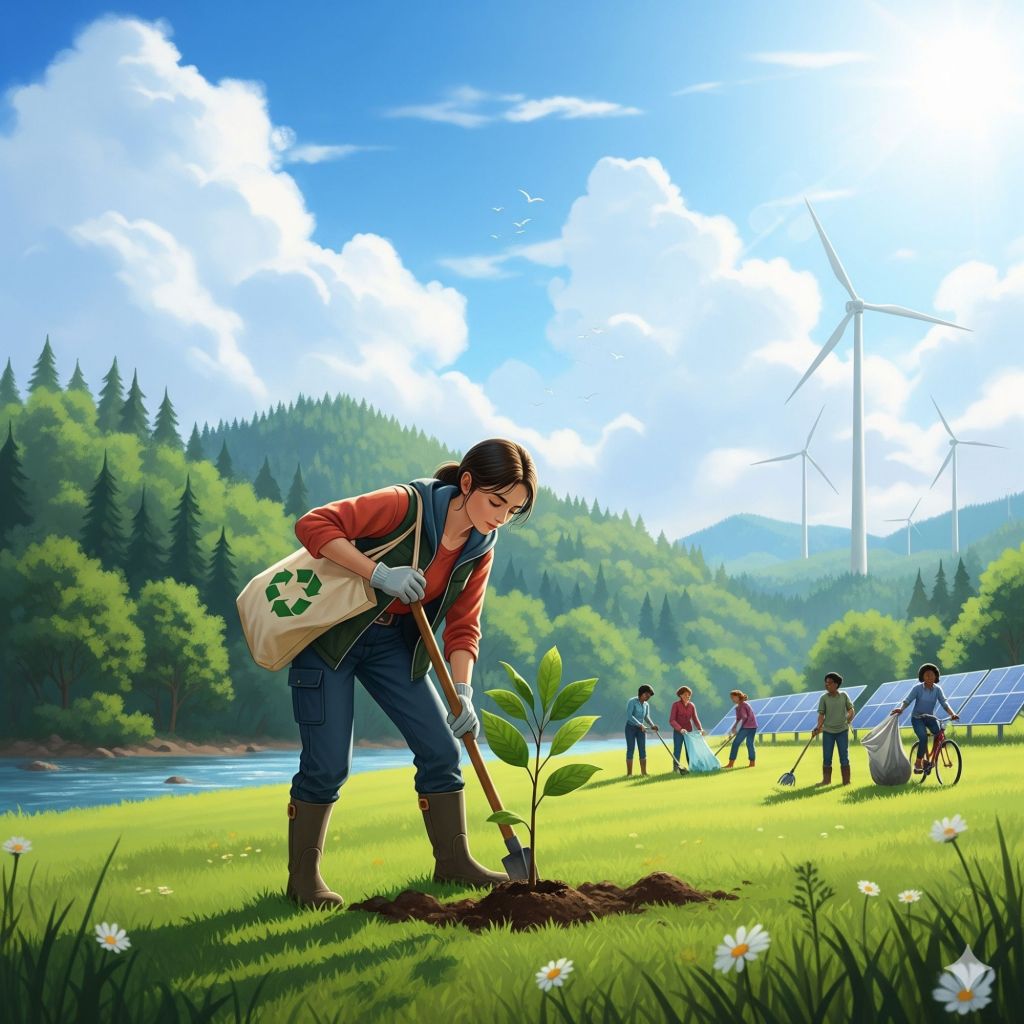
    রাষ্ট্রীয় স্বয়ংসেবক সংঘ (RSS) শুধু সামাজিক বা সাংস্কৃতিক কাজেই সীমাবদ্ধ নয়—তারা পরিবেশ রক্ষাকেও অত্যন্ত গুরুত্ব দেয়। গাছ লাগানো, জল সংরক্ষণ, প্লাস্টিক বর্জন—এ ধরনের কার্যক্রম তারা দেশজুড়ে নিয়মিতভাবে পরিচালনা করে। তাদের মূল উদ্দেশ্য হলো প্রকৃতি রক্ষা, গ্রামীণ উন্নয়ন এবং সাধারণ মানুষের মধ্যে পরিবেশ-সচেতনতা বৃদ্ধি করা।

    ১. গাছ লাগানো ও সবুজায়ন

    RSS সবচেয়ে বেশি গুরুত্ব দেয় বৃক্ষরোপণ কার্যক্রমে।

    প্রতি বছর বর্ষার সময় লাখ লাখ গাছ লাগানো হয়।

    প্রতিটি স্বয়ংসেবক অন্তত ৫টি গাছ লাগানোর চেষ্টা করেন।

    শুধু গাছ লাগিয়েই নয়—গাছ বড় হওয়া পর্যন্ত তার পরিচর্যা ও পর্যবেক্ষণও করা হয়।
    এতে গ্রাম ও শহরের পরিবেশ ধীরে ধীরে উন্নত হয়।

    ২. জল সংরক্ষণ ও নদী পরিষ্কার

    ভবিষ্যতে জল সংকটের আশঙ্কা বিবেচনায় RSS জল সংরক্ষণে বিশেষ গুরুত্ব দেয়।

    গ্রামে পুকুর খনন ও সংস্কার (অমৃত সরোবর প্রকল্পে সহায়তা) করা হয়।

    গঙ্গা, যমুনা, নর্মদা প্রভৃতি নদী পরিষ্কারকরণ ও সচেতনতা ক্যাম্প পরিচালিত হয়।

    মানুষকে বৃষ্টির জল সংরক্ষণের পদ্ধতি শেখানো হয়।
    ফলে গ্রামের জলব্যবস্থা ও পানির প্রাপ্যতা উল্লেখযোগ্যভাবে উন্নত হয়।

    ৩. প্লাস্টিক কমানোর প্রচার

    প্লাস্টিক পরিবেশের বড় ক্ষতি করে—এ কারণে RSS নিজ নিজ শাখা ও সমাজে প্লাস্টিকমুক্ত পরিবেশ তৈরিতে প্রচার চালায়।

    কাপড়ের ব্যাগ ব্যবহার করতে উৎসাহিত করা হয়।

    একবার ব্যবহারযোগ্য প্লাস্টিক এড়াতে বলা হয়।

    বাজারে গেলে নিজের ব্যাগ সঙ্গে নেওয়ার পরামর্শ দেওয়া হয়।

    প্লাস্টিক বর্জ্য না ছড়ানোর জন্য সচেতনতা গড়ে তোলা হয়।
    এর ফলে ধীরে ধীরে পরিবেশ দূষণ কমে।

    ৪. গোরক্ষা ও জৈব চাষ

    RSS-এর মতে পরিবেশ, গরু ও কৃষি—এই তিনটি পরস্পর সম্পর্কিত। তাই তারা প্রচার করে—

    গোবর ও জৈব সার ব্যবহার

    রাসায়নিক সারের ব্যবহার কমানো

    দেশী গরু সংরক্ষণ

    কৃষকদের জৈব চাষ শেখানো
    এই পদ্ধতি জমির উর্বরতা বাড়ায় এবং স্বাস্থ্যকর খাদ্য উৎপাদনে সহায়ক হয়।

    ৫. পরিবেশ শিক্ষা ও ক্যাম্প

    RSS সারা বছর বিভিন্ন পরিবেশ-সংক্রান্ত কর্মসূচি আয়োজন করে—

    বিশ্ব পরিবেশ দিবস

    বন মহোৎসব

    স্কুল–কলেজে সচেতনতা ক্লাস

    ছাত্র সংগঠন ও শিক্ষাপ্রতিষ্ঠানের মাধ্যমে পরিবেশ শিক্ষা
    এতে ছোট থেকে বড়—সবাই সহজেই পরিবেশের গুরুত্ব বুঝতে পারে।

    ৬. বিশেষ সংগঠন

    পরিবেশ নিয়ে RSS-এর কিছু বিশেষ সংগঠন রয়েছে—

    পর্যাবরণ গতিবিধি (RSS-এর পরিবেশ বিভাগ)

    বিভিন্ন নদী রক্ষা কমিটি

    বনবাসী কল্যাণ আশ্রম (আদিবাসী এলাকায় বন, নদী ও মাটি রক্ষা কার্যক্রম)

    উপসংহার

    স্বয়ংসেবকরা পরিবেশকে শুধু সামাজিক দায়িত্ব হিসেবেই দেখেন না—তাদের মতে, এটি ধর্ম, সংস্কৃতি ও মানবিকতার গুরুত্বপূর্ণ অংশ। গাছ লাগানো, জল সংরক্ষণ, প্লাস্টিক বর্জন, জৈব চাষ—এসব পদক্ষেপের মাধ্যমে তারা প্রকৃতি রক্ষায় উল্লেখযোগ্য ভূমিকা পালন করছেন।

    যদিও আরও স্বচ্ছ তথ্য ও দীর্ঘমেয়াদী বিশ্লেষণ প্রয়োজন, তবুও বলা যায়—
    ভারতজুড়ে পরিবেশ সংরক্ষণে স্বয়ংসেবকরা একটি সক্রিয় এবং দীর্ঘমেয়াদী ভূমিকা পালন করছে।

    Jana Sambvad, Kendra
    স্বয়ংসেবক
    Curtsey to: Real owner Image

  • 🌱 The Earth whispers warnings; will we listen before silence takes over?

    🌍 The environment is changing rapidly due to human-driven factors like industrialization, deforestation, pollution, and climate change. Protecting it requires collective action—through sustainable living, renewable energy, conservation, and awareness.


    ✦  Changing Environment and Our Responsibility

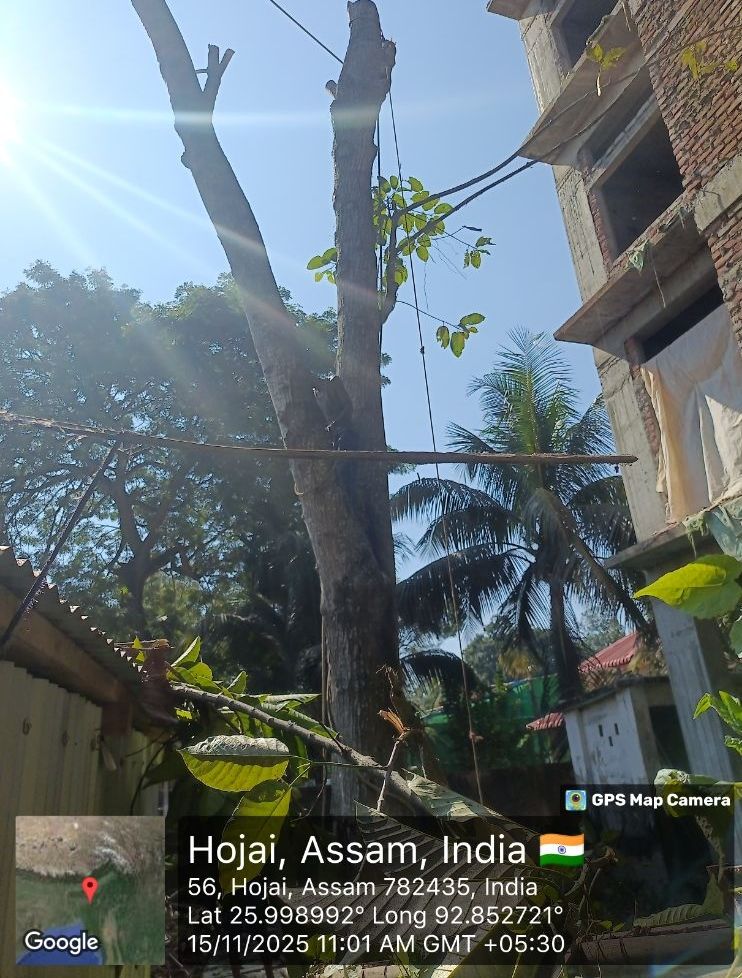
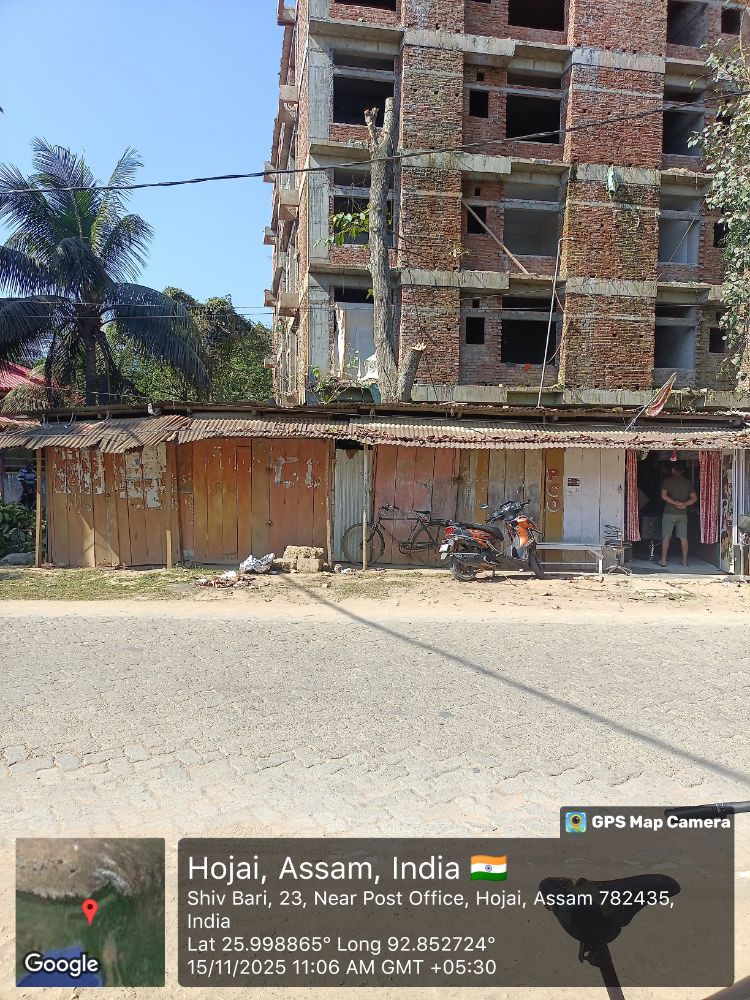
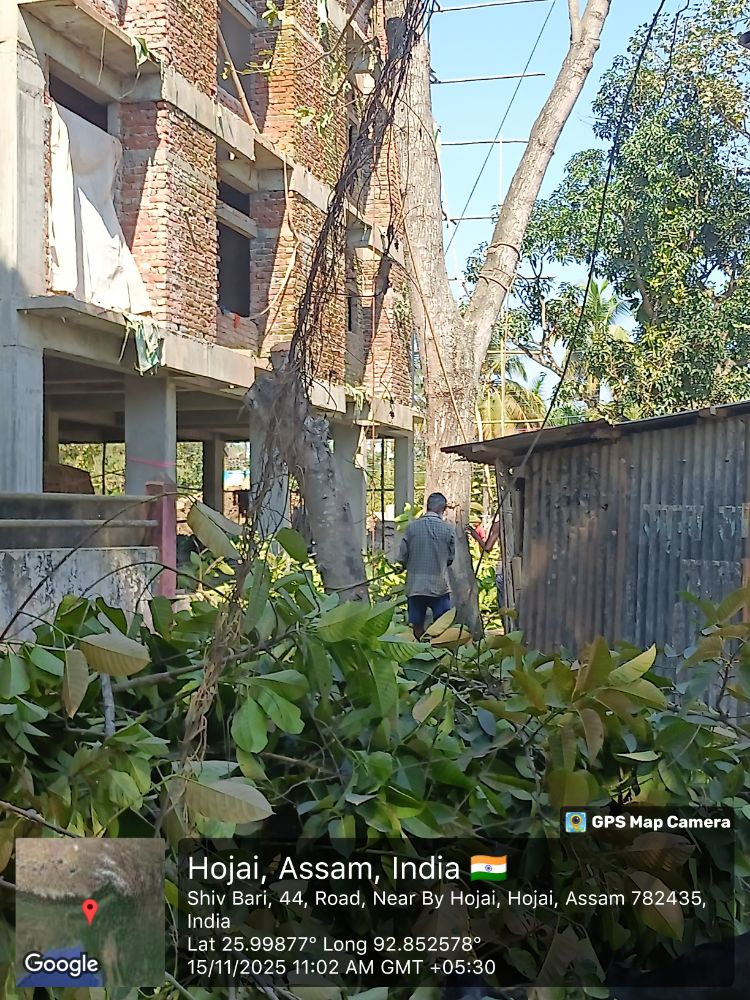
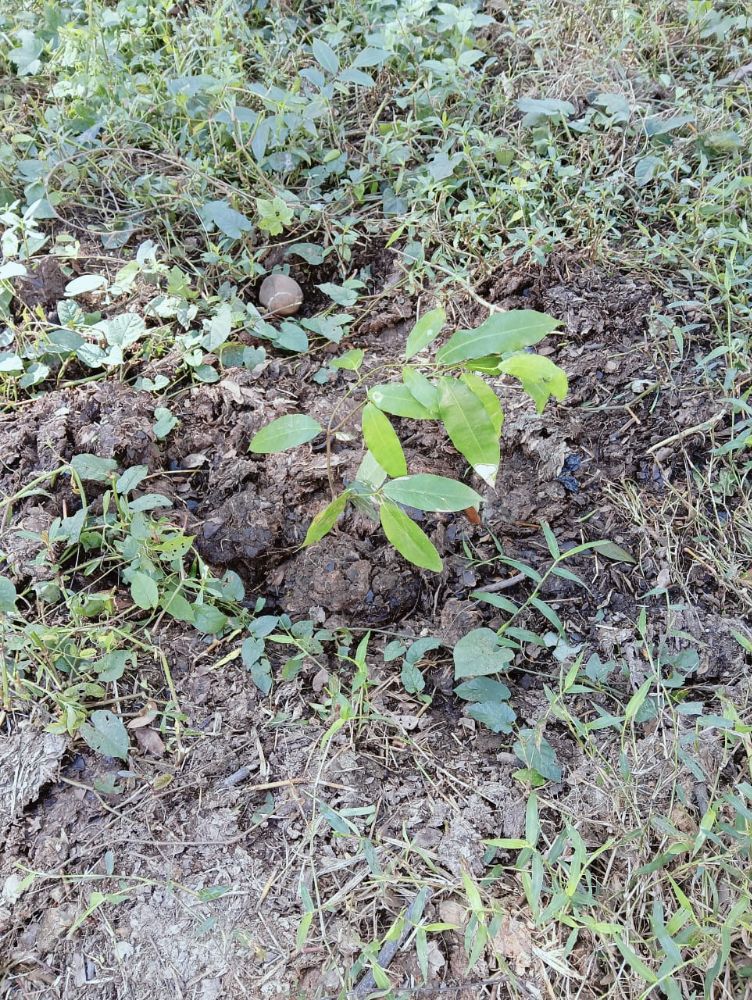
    Forest site images at Hojai

    🌍 How the Environment is Changing ?

    • Rising global temperatures due to greenhouse gas emissions.
    • Deforestation leading to biodiversity loss and soil erosion.
    • Air, water, and soil pollution affecting human health and ecosystems.
    • Urbanization and industrialization increasing waste and resource depletion.
    • Climate change impacts such as floods, droughts, and unpredictable weather patterns.

    ⚠️ Major Factors Responsible

    • Population growth and overconsumption of resources.
    • Industrial emissions and fossil fuel dependency.
    • Unsustainable agriculture and landfills.
    • Plastic pollution and poor waste management.
    • Unrestricted development damaging natural habitats.

    🌿 What We Can Do to Protect the Environment

    • Adopt renewable energy (solar, wind, hydro) to reduce carbon footprint.
    • Plant trees and support afforestation projects.
    • Reduce, reuse, recycle to minimize waste.
    • Promote sustainable agriculture and organic farming.
    • Conserve water and energy in daily life.
    • Raise awareness through education and community initiatives.
    • Support eco-friendly policies and hold industries accountable.


    ✒️ Writer – Ashish Chakraborty, MSW, MA (Double)


  • Is Development Possible Without Destroying Trees?❓


    Intro
      

    Every day we speak about climate change and global warming, yet we continue to witness trees being cut in the name of development. I recently came across a site where several trees were being removed, and it raised an important question in my mind. Is destruction of green cover truly unavoidable, or are we ignoring better alternatives? As a citizen, this contradiction forces us to think more deeply.


    Problem Explanation

    The central concern is the growing trend of cutting trees for construction and expansion projects. While development is essential, the process often directly targets existing natural resources. This creates a conflict between infrastructural needs and environmental protection, making the issue complex and concerning.


    Why This Matters

    In a time when global warming, unpredictable climate patterns and rising temperatures are becoming everyday realities, the loss of trees further intensifies the crisis. The Government of India continuously promotes plantation drives and environmental awareness, yet on the ground, institutions sometimes move forward with tree-cutting. This contradiction weakens public confidence and creates confusion about our collective priorities.


    Simple Analysis

    The core of the problem lies not in development itself, but in the approach. Trees are cut because alternative designs or protective measures are often overlooked. Sustainable planning—like re-routing, vertical construction, transplantation, or integrating greenery within projects—can significantly reduce damage. When such options exist, choosing the easiest path—cutting trees—reflects a lack of environmental sensitivity rather than true development.


    Solution

    Real development should adopt eco-friendly planning, mandatory environmental audits, and responsible decision-making. Authorities can explore tree transplantation, redesign layouts, or integrate green zones instead of removing existing trees. Citizens, too, can question policies respectfully and raise awareness without creating controversy. This balanced approach can ensure both infrastructure and nature coexist.


    Conclusion

    Protecting trees is not an obstacle to development—rather, it is a foundation for sustainable progress. When alternatives exist, choosing them is not protest; it is responsibility.


    Reader Question

    Do you believe true development is possible without harming our environment?

    Original image (Hojai)

    Ashish Chakraborty
    MSW | MA (Double)
    Digital Content Creator | Author
    Voluntary Social Worker | Environmental Volunteer
    Traditional Astrologer & Palmistry Practitioner

  • পরিবেশ ধ্বংসের তীব্রতা — আমরা কেন চুপ বোছ, সরকারের দায়িত্ব কী হওয়া উচিত?


    ভূমিকা
    বিশ্বব্যাপী পরিবেশ ধ্বংসের গতিবেগ এখন আর কল্পনাতীত—বায়ুমণ্ডলে কার্বন বেড়ে চলেছে, বন কমছে, প্লাস্টিক ও বর্জ্য বাড়ছে, এবং জীববৈচিত্র্য দ্রুত ক্ষয়ে যাচ্ছে। এই বিপর্যয়ের সামনে জনসম্মুখে আমাদের নীরবতা এবং দায়িত্বহীনতা কেন চলছে—এটি বিশ্লেষণ করা জরুরি। নিচে সংক্ষিপ্ত, তথ্যভিত্তিক ও তর্কোপযুক্ত প্রতিবেদন দিলাম।

    ১) বর্তমান অবস্থা — কিছু মূল পরিসংখ্যান (সংক্ষেপে)

    বায়ুমণ্ডলের CO₂ ঘনত্ব দ্রুত বেড়ে ২০২৪–২০২৫ সালে নতুন রেকর্ডে পৌঁছেছে; Mauna Loa নজরদারি অনুযায়ী ২০২৫-এর সাম্প্রতিক মাসগুলিতে CO₂ ~425 পিপিএম বা তারও বেশি রেকর্ড হয়েছে — যা শিল্পোত্তর (pre-industrial) পর্যায়ের তুলনায় উল্লেখযোগ্যভাবে বেশি এবং তাপমাত্রা বৃদ্ধির ঝুঁকি বাড়ায়।

    বিশ্বজুড়ে বনভূমি ক্ষয় অব্যাহত; 1990–2020 মধ্যে মোট আনুমানিক ৪২০ মিলিয়ন হেক্টর বন হারিয়েছে, ২০১৫–২০২০ পর্যায়ে বার্ষিক হার প্রায় ১০ মিলিয়ন হেক্টর। বনক্ষয় কমেছে বলে মনে করা হলেও মোট হার এখনও উদ্বেগজনক।

    প্লাস্টিক দূষণ অত্যন্ত গুরুতর — বছরে প্রায় ১৯–২৩ মিলিয়ন টন প্লাস্টিক জলের মধ্যে লিক হচ্ছে; সমুদ্র ও নদীতে প্রতিদিন হাজার হাজার ট্রাক সমপরিমাণ প্লাস্টিক প্রবাহিত হচ্ছে।

    বায়ু দূষণের স্বাস্থ্যঝুঁকি বিপুল: ২০১৯ সালে বাহ্যিক বায়ু দূষণ প্রায় ৪.২ মিলিয়ন আগাম মৃত্যু দায়ী বলে WHO রিপোর্ট করে; সামগ্রিকভাবে বায়ু ও ঘরোয়া দূষণ সম্পর্কিত মারা যাওয়ার সংখ্যা আরও বড় ( ~৭ মিলিয়ন সারণিতে সূচিত)।

    জীববৈচিত্র্য সংকট — প্রায় ১ মিলিয়ন প্রজাতিই বিলুপ্তির ঝুঁকিতে রয়েছে বলে IPBES রিপোর্টে সতর্কতা দেওয়া হয়েছে; প্রাকৃতিক পদ্ধতির বিশৃঙ্খলা খাদ্য নিরাপত্তা ও জীবিকা ঝুঁকিতে ফেলে।


    ২) আমরা কেন ততটা নীরব বা অনড়? — কারণসমূহের বিশ্লেষণ

    জটিলতা ও দুর্গমতা: পরিবেশগত সমস্যা বহুস্তরীয় (জলবায়ু, বায়ু, মৃত্তিকা, জীববৈচিত্র্য)। প্রতিটি সমস্যা আলাদা ব্যবস্থাপনা দাবি করে; সাধারণ মানুষের কাছে বিষয়গুলো প্রায়ই দূর-অবোধ্য মনে হয়।

    স্বার্থ ও অর্থনৈতিক চাপ: সংরক্ষণ কার্যক্রম ও পরিবর্তন প্রায়ই রাজস্ব বা জীবিকার সঙ্গে সরাসরি সংঘর্ষ মনে হয়—এ কারণেই সমালোচনাহীন নীরবতা দেখা যায়। (এখানে ‘টাকা’-নির্ভরতা বোঝানো, কিন্তু বিস্তারিত অসমাপ্ত কারণগুলো সামাজিক ও কাঠামোগত)।

    রাজনৈতিক অগ্রাধিকারবিহীনতা: স্বল্পমেয়াদি অর্থনৈতিক সূচক বৃদ্ধি রাজনৈতিক কর্মসূচিতে অগ্রাধিকার পায়; দীর্ঘমেয়াদি পরিবেশগত বিনিয়োগ নেগ্লেক্ট হয়।

    জ্ঞান ও দায়িত্ব ভাগাভাগি না হওয়া: ব্যক্তি, শিল্প ও রাষ্ট্র—এই তিন স্তরেই ঝোঁক ও দায়বদ্ধতা স্পষ্ট নয়; একে অপরকে দোষারোপ করাই সাধারণ প্রতিক্রিয়া।

    দ্রুত ফলাফল না দেখানো: পরিবেশ সংরক্ষণে অবিলম্বে দৃশ্যমান লাভ কম; তাই রাজনৈতিক ও সামাজিক মনোবৃত্তি দীর্ঘমেয়াদি শৃঙ্খলাকে সমর্থন করে না।


    ৩) সরকারের দায়িত্ব — বাস্তব, ব্যবহারিক ও প্রয়োজনীয় পদক্ষেপ (সংক্ষেপে ও শ্রেনীবদ্ধ)


    A. নীতিগত কাঠামো ও আইন-প্রয়োগ

    শক্তিশালী, বৈজ্ঞানিকভাবে নির্ভর পরিবেশ নীতি গ্রহণ ও বাস্তবায়ন; নির্দিষ্ট লক্ষ্যমাত্রা (GHG reduction targets, deforestation reduction targets, plastic leakage reduction) নির্ধারণ এবং নিয়মিত অডিট।

    দূষণ নিয়ন্ত্রণে কঠোর বিধি ও অনুশীলন, শিল্পে নির্গমন মানদণ্ড কঠোরভাবে চাপানো এবং ফাইন/শাস্তির উপযুক্ত প্রণালী বজায় রাখা।


    B. বিনিয়োগ ও আর্থিক প্রণোদনা

    পুনর্নবীকরণযোগ্য শক্তি, পরিবেশবান্ধব শিল্পপ্রকৌশল ও সাস্টেইনেবল কৃষিতে সরকারী বিনিয়োগ বৃদ্ধি; ক্ষতিকর উপাদান ব্যবহার কমাতে প্রণোদনা।

    টেকসই প্রকল্পে ট্যাক্স ছাড়, গ্রিন বন্ড ইস্যু, ক্ষুদ্র উদ্যোগকে সহায়তা — যাতে পরিবেশবান্ধব পরিবর্তন লাভজনক হয়।


    C. সংরক্ষণ, পুনর্নির্মাণ ও জরুরি প্রস্তুতি

    বন সংরক্ষণ ও পুনরুদ্ধারে বাস্তব কার্যক্রম; স্থানীয় সম্প্রদায়কে যুক্ত করে বন-ভিত্তিক আর্থ-সামাজিক উপায় তৈরি।

    উপকূলীয় ও নগর এলাকায় জলের সমস্যার জন্য অভিযোজন (adaptation) নীতি—প্লাস্টিক নিয়ন্ত্রণ, বন্যা প্রণালী উন্নয়ন, বর্জ্য ব্যবস্থাপনা শক্তিশালী করা।


    D. স্বাস্থ্য ও পরিবেশ সংযুক্ত নীতি

    বায়ু ও জলমান উন্নয়নে সরাসরি জনস্বাস্থ্য নীতি; বায়ু দূষণ কমাতে দৃশ্যমান পরিকল্পনা (পরিবহন, শক্তি, নির্মাণখাতে মানদণ্ড)।


    E. শিক্ষা, জাগরণ এবং দায়িত্ববোধ গঠন

    স্কুল থেকে শুরু করে জনসচেতনতা ক্যাম্পেইন; সহজ, কর্মসম্পাদনযোগ্য রুটিন (রিসাইক্লিং, প্লাস্টিক-বিহীন উদ্যোগ, শক্তি-সংরক্ষণ) প্রচার।

    স্থানীয় নেতৃত্ব ও নাগরিক অংশগ্রহণ বাড়ানো — পরিবেশ রক্ষার দায়িত্ব কেবল সরকার নয়, সমাজসহ সবাইকে নিতে হবে।


    ৪) বাস্তবায়ন ও মনিটরিং — কিভাবে সফলতা মাপা হবে?

    স্পষ্ট সূচক নির্ধারণ: PM2.5/PM10, CO₂ পিপিএম, সাগর-উষ্ণতা, বন-আচ্ছাদন হার, প্লাস্টিক লিকেজ টন প্রতি বছর ইত্যাদি। নিয়মিত প্রকাশিত রিপোর্ট ও স্বাধীন তৃতীয় পক্ষের অডিট বাধ্যতামূলক করা উচিত।


    উপসংহার — নীরবতা আর মানায় না
    পরিবেশ ধ্বংসের সূচকগুলো ইতিমধ্যে বাস্তব এবং দ্রুতগতিতে ক্ষতি বাড়ছে; আমরা চুপচাপ বসে থাকা আর ভাল যুক্তি দিয়ে সামান্য দেরি করার মত বিতর্কে আটকে থাকা এখন আর চলবে না। সরকারকে দৃঢ় নীতিগত, আর্থিক ও কর্মদক্ষ উদ্যোগ নিতে হবে; নাগরিকদেরও দৈনন্দিন জীবনে পরিবর্তন আনার মাধ্যমে অংশগ্রহণ করতে হবে। আধুনিক প্রযুক্তি ও জ্ঞান থাকা সত্ত্বেও রাজনৈতিক সংকল্পহীনতা বা স্বার্থান্বেষী বিন্যাস যদি বজায় থাকে, পরিবেশগত ক্ষতি অনিবার্যভাবে আরও বড় হবে—এটি শুধু পরিবেশগত সমস্যা নয়, ভবিষ্যৎ প্রজন্মের ন্যায়-বিচারের প্রশ্ন।


    উৎস : IPCC AR6 সংকলন (ক্লাইমেট), NOAA Mauna Loa CO₂ ডাটা, FAO বনসম্পদ প্রতিবেদণ, UNEP প্লাস্টিক-দূষণ প্রতিবেদন, WHO বায়ু দূষণ প্রভাব রিপোর্ট।

    𝓫𝔂 : 𝒜𝓈𝒽𝒾𝓈𝒽 𝒞𝒽𝒶𝓀𝓇𝒶𝓫𝓸𝓇𝓉𝓎 ✍🏾📚⋆。˚.

  • ✦ The Silent Story Beneath the Banyan Tree

    Nature of Beauty

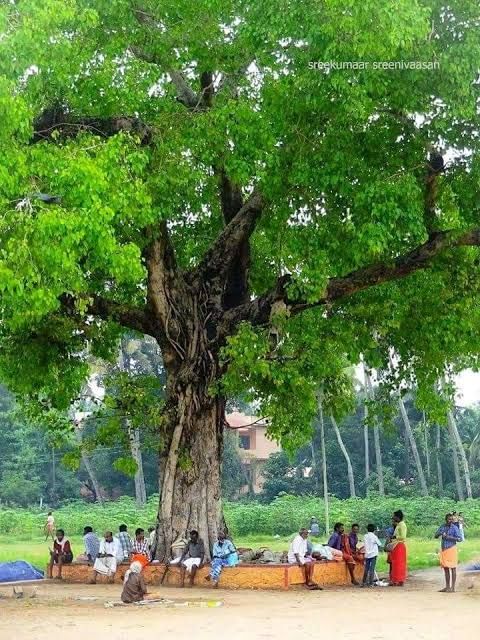
    That evening was painted in peace. As I returned from Srimanta Sankardev Nagar toward Hojai, I noticed an elderly man—perhaps in his late fifties—resting quietly under a sprawling banyan tree. Before him lay a vast paddy field, glowing gold under the evening sun. The air was still, carrying the earthy scent of freshly turned soil — a reminder that life begins here, in the hands of those who nurture the earth.

    ➤ I stopped my car and walked closer. “Kaka, how are you?”
    He smiled softly. “I’m fine, just watching my field. You?”
    I said gently, “Call me ‘tumi’, it feels warmer.”
    And so began a conversation—short in words, long in emotion.

    ✬ He pointed toward the field.
    “This is my land. I’ve tilled it myself this year, but I’m not sure I’ll be able to next year. My sons work in Bengaluru, my daughter is married away. They come sometimes, help a little, but I don’t know if they’ll ever take this soil in their hands again.”

    His voice faded into the wind. For a while, neither of us spoke. I could only feel the weight of his question—

    ➔ “Will there be anyone left, who will still touch this soil with love?”

    Those words echoed within me. Because beyond that question lies a truth we often overlook: the farmer’s hands are the roots of our civilization, and our future depends on the soil he protects.

    In a world obsessed with progress, we forget that every breath we take, every meal we eat, begins with a farmer and the environment he preserves. When the earth suffers, we suffer too.

      The real heroes are not always in uniforms or offices — sometimes, they stand barefoot in muddy fields, sowing hope grain by grain.

    ★ As individuals, we can honor them not just with words, but with actions:

    Support local farmers and organic produce.

    Avoid food waste — it disrespects the labor of those who grow it.

    Plant trees, protect water, and choose sustainability in small ways.

    Teach children that progress is not leaving the land, but loving it responsibly.

    ✬ Protecting the environment is not a choice — it’s gratitude in action.
    Because when we protect the farmer, we protect the earth… and when we protect the earth, we protect ourselves.

    Do you believe the next generation will carry this love for the soil forward?

    Ashish Chakraborty।। MSW ,MA(Double)।। Digital Content Writter ✒️।। Voluntary Social Worker ।। ✍

  • Environment Protection: A Call We Cannot Ignore

    The world around us is facing unprecedented challenges — from climate change to pollution, our Paryavaran (environment) is at risk. Protecting it is no longer optional; it is essential for our survival and the well-being of future generations.

    ➤ ❶ Per Lagaw (Planting Trees)
    Planting trees is more than just greenery; it is nature’s armor. Trees clean the air, prevent soil erosion, and maintain ecological balance. Every tree planted is a step towards a healthier planet. 🌱

    ➤ ❷ Paryavaran Bachaw (Save the Environment)
    We must reduce waste, conserve water, and adopt sustainable practices in our daily lives. Simple actions like using reusable bags, segregating waste, and conserving electricity collectively make a massive impact. Our responsibility to protect Paryavaran defines our commitment to life itself. 🍂

    ➤ ❸ Politin Hotaw (Ban Plastic)
    Plastic pollution has invaded land and water bodies, endangering wildlife and human health. Phasing out single-use plastics and promoting alternatives is a crucial step toward restoring ecological balance.

    Conclusion:
    Environment protection is not a choice; it is a duty. Every tree planted, every habit changed, and every plastic item avoided is a contribution toward a sustainable future. Let’s embrace these 3Ps and lead by example.

    “Ever reflected on your role in saving the environment? 🌱”

    𝓫𝔂 : 𝒜𝓈𝒽𝒾𝓈𝒽 𝒞𝒽𝒶𝓀𝓇𝒶𝓫𝓸𝓇𝓉𝓎 ✍🏾📚⋆。˚.

    “A breath of fresh air in nature’s embrace revitalizes the soul.” 🌱

  • ✶ Help the People to Help Themselves — A Principle That Works on the Ground

    As someone deeply rooted in voluntary social service, I’ve come to believe that the most powerful principle in social work is simple yet transformative:


    “Help the people to help themselves.”

    My Faith (Image source:Self generate)

    I first encountered this principle during my BSW/Master in Social Work studies (2010–2015), and while I may have forgotten much of the academic content, this one idea stayed with me. Over the years, I’ve seen how it works—not just in theory, but in the real world, especially in the grassroots context of Assam.

    Why This Principle Matters ?

    This principle shifts the focus from charity to empowerment. It doesn’t treat people as passive recipients of aid, but as active participants in their own progress. It respects their dignity, their potential, and their right to shape their future.

    In my experience, when communities are given the tools, knowledge, and space to act, they respond with resilience and creativity. Whether it’s environmental awareness, poverty alleviation, or social education—solutions become sustainable only when people own them.

    Practical Effectiveness in Grassroots Work

    In Assam’s diverse regions, I’ve seen firsthand how this principle translates into action:

    • Awareness drives that help villagers understand their rights, health, and environment.
    • Community-led initiatives where local volunteers take charge of sanitation, education, or cultural preservation.
    • Information sharing that enables people to access government schemes without dependency.
    • Strategic guidance that helps youth and families solve problems without waiting for external aid.

    Often, we assume funding is the key to impact. But I’ve found that strategy, awareness, education, and proper information can solve nearly 60% of social problems—without money. What’s needed is committed human energy, not just financial resources.

    My Stand and Invitation

    I humbly declare:
    If ever my voluntary social service becomes entangled with personal economic or political interests, I invite you to openly boycott me and hold me accountable. My commitment to this principle is firm. If I deviate, question me, stop me, and reject me.

    Currently, I bear small costs personally, but I do not believe in dependency. I believe in self-dependency and people’s rights. That’s why we are moving forward—without any external fund, but with full faith in voluntary manpower.

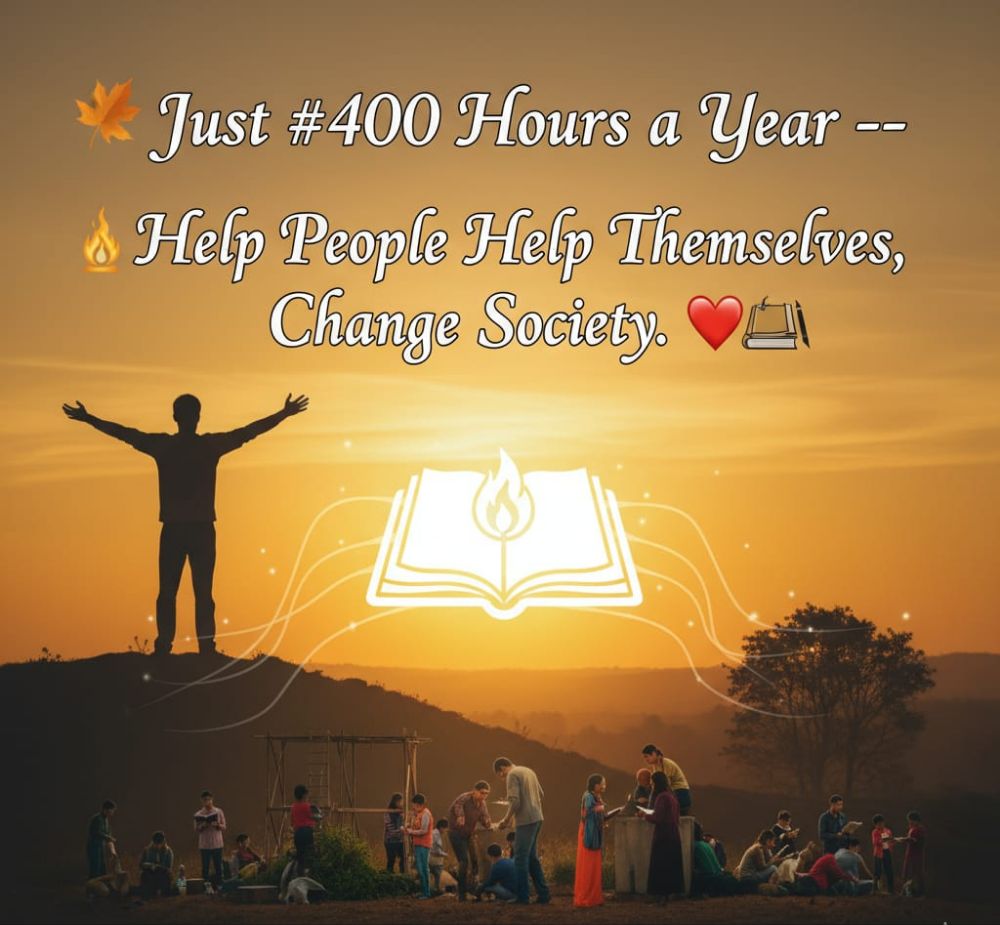
    We welcome anyone who shares this vision. Even 400 hours a year, from your own place, can make a meaningful contribution.

    Let us build a movement where service is not about control, but about liberation.
    Let us help people help themselves—and in doing so, help society heal itself.

  • Why Protecting the Environment Is Essential for Human Survival

    Author: Ashish Chakraborty,MSW,(Human Rights),MA, Voluntary social worker,Writter, Digital Content creator

    Introduction

    The environment is the foundation of life. It provides the air we breathe, the water we drink, the food we eat, and the climate we live in. Yet, across the world and in India, environmental degradation is accelerating due to deforestation, pollution, and unsustainable development. Protecting the environment is not just a moral responsibility—it is a practical necessity for human survival, public health, and economic stability.


    Understanding the Ecological System

    An ecological system, or ecosystem, is a network of living organisms—plants, animals, and microorganisms—interacting with their physical surroundings such as soil, water, and air. These systems perform essential functions:

    – Forests absorb carbon dioxide and release oxygen 
    – Wetlands filter water and prevent floods 
    – Oceans regulate global temperatures 
    – Biodiversity supports food production and disease control

    When ecosystems are damaged, these life-supporting functions weaken, leading to serious consequences for both nature and people.


    The Link Between Environment and Human Life

    Human life is deeply connected to the environment. Every basic need—air, water, food, shelter, and health—depends on a stable and clean environment. The following examples show how:

    – Air Quality: Trees and plants absorb pollutants and produce oxygen. Without them, air pollution increases, causing respiratory diseases. 
    – Water Security: Forests and wetlands protect rivers and groundwater. Deforestation leads to water scarcity and contamination. 
    – Food Production: Healthy soil and pollinators like bees are essential for agriculture. Pollution and habitat loss reduce crop yields. 
    – Disease Prevention: Balanced ecosystems control the spread of diseases. When biodiversity is lost, the risk of zoonotic diseases rises. 
    – Livelihoods: Millions of people in India depend on farming, fishing, and forest resources. Environmental damage threatens their income and well-being.

    According to the Ministry of Environment, Forest and Climate Change, over 70% of rural livelihoods in India are directly tied to natural resources. Yet, India loses approximately 1.5 million hectares of forest cover every year, putting both biodiversity and human welfare at risk.


    Consequences of Environmental Neglect

    Ignoring environmental protection leads to multiple negative impacts:

    1. Climate Change: Rising temperatures, unpredictable rainfall, and extreme weather events are becoming more common. The Intergovernmental Panel on Climate Change (IPCC) warns that by 2050, over 40% of Indians may face water stress due to climate disruption.

    2. Air Pollution: India is home to several of the world’s most polluted cities. The World Health Organization estimates that air pollution causes around 7 million deaths globally each year, with India among the worst affected.

    3. Loss of Biodiversity: Over one million species are at risk of extinction worldwide. India’s rich biodiversity, especially in regions like the Western Ghats and Northeast, is under severe threat due to habitat destruction.

    4. Public Health Risks: Environmental degradation increases the spread of diseases, especially those transmitted by insects and animals. It also contributes to malnutrition and mental health issues.

    5. Economic Damage: Natural disasters, crop failures, and health crises caused by environmental neglect lead to financial losses and increased poverty, especially in vulnerable communities.


    Why We Must Act Now

    Protecting the environment is essential for:

    – Sustainable Development: Ensuring that future generations have access to clean air, water, and resources 
    – Disaster Resilience: Natural ecosystems like mangroves and forests act as buffers against floods and storms 
    – Economic Stability: Healthy ecosystems support agriculture, tourism, and fisheries 
    – Social Justice: Environmental degradation affects poor and marginalized communities the most

    Environmental protection is also a constitutional duty under Article 48A of the Indian Constitution, which directs the State to protect and improve the environment. Citizens too have a fundamental duty under Article 51A(g) to safeguard natural resources.


    Steps Toward Environmental Protection

    To protect the environment, we must take collective action at every level:

    – Community Participation: Encourage local monitoring of environmental issues and involve citizens in decision-making 
    – Transparent Governance: Conduct regular audits of pollution control measures and resource use 
    – Policy Reform: Advocate for stronger environmental laws and promote renewable energy 
    – Education and Awareness: Teach environmental values in schools and through public campaigns 
    – Legal Compliance: Ensure that all development projects follow environmental regulations and impact assessments


    Conclusion

    The environment is not separate from human life—it is the very basis of it. Protecting it is not optional; it is urgent and essential. As citizens, administrators, and leaders, we must integrate environmental responsibility into every policy, every project, and every public dialogue. Only then can we build a future that is safe, just, and sustainable for all.

    Let this be a call to action—for informed engagement, ethical governance, and a renewed commitment to ecological justice.

Design a site like this with WordPress.com
Get started