🌍 The environment is changing rapidly due to human-driven factors like industrialization, deforestation, pollution, and climate change. Protecting it requires collective action—through sustainable living, renewable energy, conservation, and awareness.
✦ Changing Environment and Our Responsibility
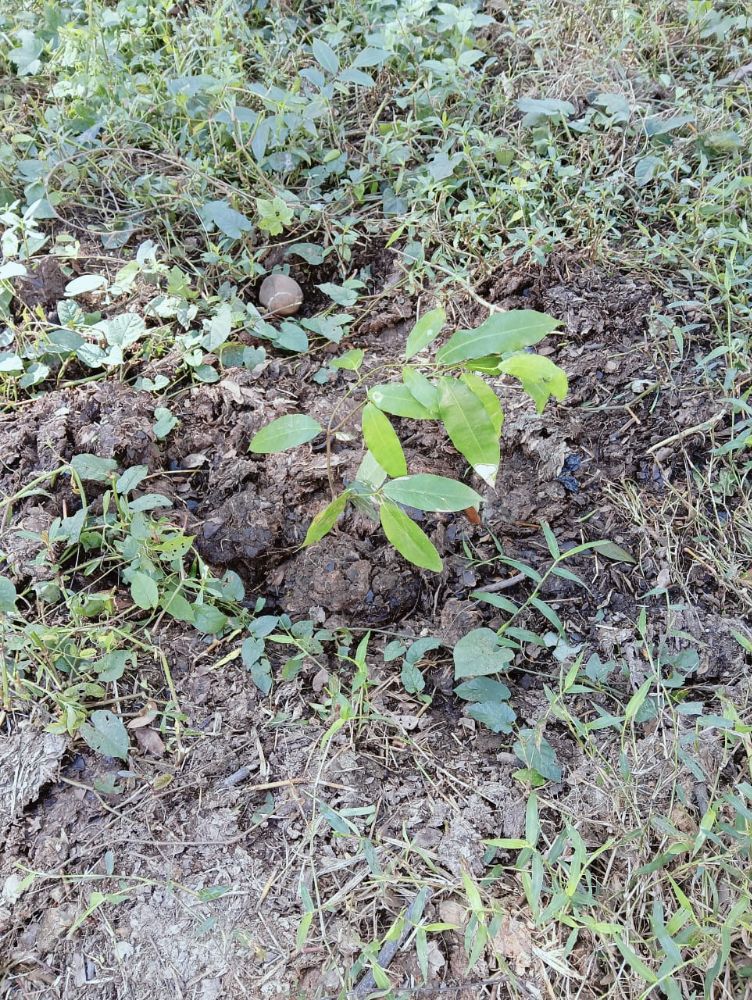
Forest site images at Hojai
🌍 How the Environment is Changing ?
Rising global temperatures due to greenhouse gas emissions.
Deforestation leading to biodiversity loss and soil erosion.
Air, water, and soil pollution affecting human health and ecosystems.
Urbanization and industrialization increasing waste and resource depletion.
Climate change impacts such as floods, droughts, and unpredictable weather patterns.
⚠️ Major Factors Responsible
Population growth and overconsumption of resources.
Industrial emissions and fossil fuel dependency.
Unsustainable agriculture and landfills.
Plastic pollution and poor waste management.
Unrestricted development damaging natural habitats.
🌿 What We Can Do to Protect the Environment
Adopt renewable energy (solar, wind, hydro) to reduce carbon footprint.
Plant trees and support afforestation projects.
Reduce, reuse, recycle to minimize waste.
Promote sustainable agriculture and organic farming.
Conserve water and energy in daily life.
Raise awareness through education and community initiatives.
Support eco-friendly policies and hold industries accountable.
ভূমিকা বিশ্বব্যাপী পরিবেশ ধ্বংসের গতিবেগ এখন আর কল্পনাতীত—বায়ুমণ্ডলে কার্বন বেড়ে চলেছে, বন কমছে, প্লাস্টিক ও বর্জ্য বাড়ছে, এবং জীববৈচিত্র্য দ্রুত ক্ষয়ে যাচ্ছে। এই বিপর্যয়ের সামনে জনসম্মুখে আমাদের নীরবতা এবং দায়িত্বহীনতা কেন চলছে—এটি বিশ্লেষণ করা জরুরি। নিচে সংক্ষিপ্ত, তথ্যভিত্তিক ও তর্কোপযুক্ত প্রতিবেদন দিলাম।
১) বর্তমান অবস্থা — কিছু মূল পরিসংখ্যান (সংক্ষেপে)
বায়ুমণ্ডলের CO₂ ঘনত্ব দ্রুত বেড়ে ২০২৪–২০২৫ সালে নতুন রেকর্ডে পৌঁছেছে; Mauna Loa নজরদারি অনুযায়ী ২০২৫-এর সাম্প্রতিক মাসগুলিতে CO₂ ~425 পিপিএম বা তারও বেশি রেকর্ড হয়েছে — যা শিল্পোত্তর (pre-industrial) পর্যায়ের তুলনায় উল্লেখযোগ্যভাবে বেশি এবং তাপমাত্রা বৃদ্ধির ঝুঁকি বাড়ায়।
বিশ্বজুড়ে বনভূমি ক্ষয় অব্যাহত; 1990–2020 মধ্যে মোট আনুমানিক ৪২০ মিলিয়ন হেক্টর বন হারিয়েছে, ২০১৫–২০২০ পর্যায়ে বার্ষিক হার প্রায় ১০ মিলিয়ন হেক্টর। বনক্ষয় কমেছে বলে মনে করা হলেও মোট হার এখনও উদ্বেগজনক।
প্লাস্টিক দূষণ অত্যন্ত গুরুতর — বছরে প্রায় ১৯–২৩ মিলিয়ন টন প্লাস্টিক জলের মধ্যে লিক হচ্ছে; সমুদ্র ও নদীতে প্রতিদিন হাজার হাজার ট্রাক সমপরিমাণ প্লাস্টিক প্রবাহিত হচ্ছে।
বায়ু দূষণের স্বাস্থ্যঝুঁকি বিপুল: ২০১৯ সালে বাহ্যিক বায়ু দূষণ প্রায় ৪.২ মিলিয়ন আগাম মৃত্যু দায়ী বলে WHO রিপোর্ট করে; সামগ্রিকভাবে বায়ু ও ঘরোয়া দূষণ সম্পর্কিত মারা যাওয়ার সংখ্যা আরও বড় ( ~৭ মিলিয়ন সারণিতে সূচিত)।
জীববৈচিত্র্য সংকট — প্রায় ১ মিলিয়ন প্রজাতিই বিলুপ্তির ঝুঁকিতে রয়েছে বলে IPBES রিপোর্টে সতর্কতা দেওয়া হয়েছে; প্রাকৃতিক পদ্ধতির বিশৃঙ্খলা খাদ্য নিরাপত্তা ও জীবিকা ঝুঁকিতে ফেলে।
২) আমরা কেন ততটা নীরব বা অনড়? — কারণসমূহের বিশ্লেষণ
জটিলতা ও দুর্গমতা: পরিবেশগত সমস্যা বহুস্তরীয় (জলবায়ু, বায়ু, মৃত্তিকা, জীববৈচিত্র্য)। প্রতিটি সমস্যা আলাদা ব্যবস্থাপনা দাবি করে; সাধারণ মানুষের কাছে বিষয়গুলো প্রায়ই দূর-অবোধ্য মনে হয়।
স্বার্থ ও অর্থনৈতিক চাপ: সংরক্ষণ কার্যক্রম ও পরিবর্তন প্রায়ই রাজস্ব বা জীবিকার সঙ্গে সরাসরি সংঘর্ষ মনে হয়—এ কারণেই সমালোচনাহীন নীরবতা দেখা যায়। (এখানে ‘টাকা’-নির্ভরতা বোঝানো, কিন্তু বিস্তারিত অসমাপ্ত কারণগুলো সামাজিক ও কাঠামোগত)।
রাজনৈতিক অগ্রাধিকারবিহীনতা: স্বল্পমেয়াদি অর্থনৈতিক সূচক বৃদ্ধি রাজনৈতিক কর্মসূচিতে অগ্রাধিকার পায়; দীর্ঘমেয়াদি পরিবেশগত বিনিয়োগ নেগ্লেক্ট হয়।
জ্ঞান ও দায়িত্ব ভাগাভাগি না হওয়া: ব্যক্তি, শিল্প ও রাষ্ট্র—এই তিন স্তরেই ঝোঁক ও দায়বদ্ধতা স্পষ্ট নয়; একে অপরকে দোষারোপ করাই সাধারণ প্রতিক্রিয়া।
দ্রুত ফলাফল না দেখানো: পরিবেশ সংরক্ষণে অবিলম্বে দৃশ্যমান লাভ কম; তাই রাজনৈতিক ও সামাজিক মনোবৃত্তি দীর্ঘমেয়াদি শৃঙ্খলাকে সমর্থন করে না।
৩) সরকারের দায়িত্ব — বাস্তব, ব্যবহারিক ও প্রয়োজনীয় পদক্ষেপ (সংক্ষেপে ও শ্রেনীবদ্ধ)
A. নীতিগত কাঠামো ও আইন-প্রয়োগ
শক্তিশালী, বৈজ্ঞানিকভাবে নির্ভর পরিবেশ নীতি গ্রহণ ও বাস্তবায়ন; নির্দিষ্ট লক্ষ্যমাত্রা (GHG reduction targets, deforestation reduction targets, plastic leakage reduction) নির্ধারণ এবং নিয়মিত অডিট।
দূষণ নিয়ন্ত্রণে কঠোর বিধি ও অনুশীলন, শিল্পে নির্গমন মানদণ্ড কঠোরভাবে চাপানো এবং ফাইন/শাস্তির উপযুক্ত প্রণালী বজায় রাখা।
B. বিনিয়োগ ও আর্থিক প্রণোদনা
পুনর্নবীকরণযোগ্য শক্তি, পরিবেশবান্ধব শিল্পপ্রকৌশল ও সাস্টেইনেবল কৃষিতে সরকারী বিনিয়োগ বৃদ্ধি; ক্ষতিকর উপাদান ব্যবহার কমাতে প্রণোদনা।
টেকসই প্রকল্পে ট্যাক্স ছাড়, গ্রিন বন্ড ইস্যু, ক্ষুদ্র উদ্যোগকে সহায়তা — যাতে পরিবেশবান্ধব পরিবর্তন লাভজনক হয়।
C. সংরক্ষণ, পুনর্নির্মাণ ও জরুরি প্রস্তুতি
বন সংরক্ষণ ও পুনরুদ্ধারে বাস্তব কার্যক্রম; স্থানীয় সম্প্রদায়কে যুক্ত করে বন-ভিত্তিক আর্থ-সামাজিক উপায় তৈরি।
উপকূলীয় ও নগর এলাকায় জলের সমস্যার জন্য অভিযোজন (adaptation) নীতি—প্লাস্টিক নিয়ন্ত্রণ, বন্যা প্রণালী উন্নয়ন, বর্জ্য ব্যবস্থাপনা শক্তিশালী করা।
D. স্বাস্থ্য ও পরিবেশ সংযুক্ত নীতি
বায়ু ও জলমান উন্নয়নে সরাসরি জনস্বাস্থ্য নীতি; বায়ু দূষণ কমাতে দৃশ্যমান পরিকল্পনা (পরিবহন, শক্তি, নির্মাণখাতে মানদণ্ড)।
E. শিক্ষা, জাগরণ এবং দায়িত্ববোধ গঠন
স্কুল থেকে শুরু করে জনসচেতনতা ক্যাম্পেইন; সহজ, কর্মসম্পাদনযোগ্য রুটিন (রিসাইক্লিং, প্লাস্টিক-বিহীন উদ্যোগ, শক্তি-সংরক্ষণ) প্রচার।
স্থানীয় নেতৃত্ব ও নাগরিক অংশগ্রহণ বাড়ানো — পরিবেশ রক্ষার দায়িত্ব কেবল সরকার নয়, সমাজসহ সবাইকে নিতে হবে।
৪) বাস্তবায়ন ও মনিটরিং — কিভাবে সফলতা মাপা হবে?
স্পষ্ট সূচক নির্ধারণ: PM2.5/PM10, CO₂ পিপিএম, সাগর-উষ্ণতা, বন-আচ্ছাদন হার, প্লাস্টিক লিকেজ টন প্রতি বছর ইত্যাদি। নিয়মিত প্রকাশিত রিপোর্ট ও স্বাধীন তৃতীয় পক্ষের অডিট বাধ্যতামূলক করা উচিত।
উপসংহার — নীরবতা আর মানায় না পরিবেশ ধ্বংসের সূচকগুলো ইতিমধ্যে বাস্তব এবং দ্রুতগতিতে ক্ষতি বাড়ছে; আমরা চুপচাপ বসে থাকা আর ভাল যুক্তি দিয়ে সামান্য দেরি করার মত বিতর্কে আটকে থাকা এখন আর চলবে না। সরকারকে দৃঢ় নীতিগত, আর্থিক ও কর্মদক্ষ উদ্যোগ নিতে হবে; নাগরিকদেরও দৈনন্দিন জীবনে পরিবর্তন আনার মাধ্যমে অংশগ্রহণ করতে হবে। আধুনিক প্রযুক্তি ও জ্ঞান থাকা সত্ত্বেও রাজনৈতিক সংকল্পহীনতা বা স্বার্থান্বেষী বিন্যাস যদি বজায় থাকে, পরিবেশগত ক্ষতি অনিবার্যভাবে আরও বড় হবে—এটি শুধু পরিবেশগত সমস্যা নয়, ভবিষ্যৎ প্রজন্মের ন্যায়-বিচারের প্রশ্ন।
—
উৎস : IPCC AR6 সংকলন (ক্লাইমেট), NOAA Mauna Loa CO₂ ডাটা, FAO বনসম্পদ প্রতিবেদণ, UNEP প্লাস্টিক-দূষণ প্রতিবেদন, WHO বায়ু দূষণ প্রভাব রিপোর্ট।
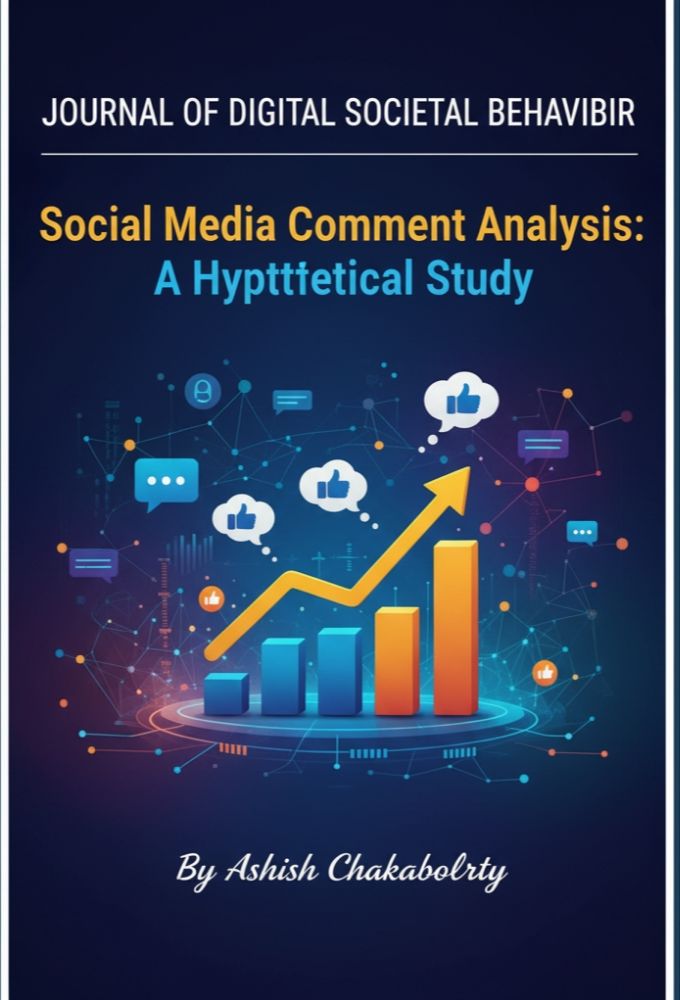
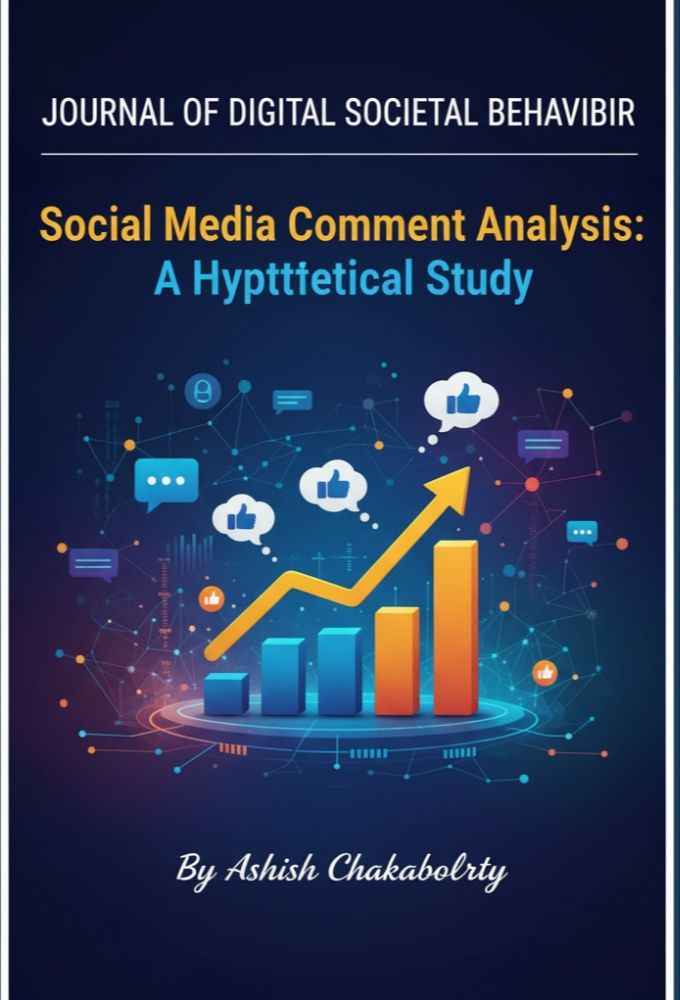
In the contemporary digital era, understanding public opinion requires systematic, replicable, and justifiable methodologies. Social media platforms provide a rich source of secondary data, making it possible to conduct simple hypothetical research using sample studies. This article presents a technical yet accessible research methodology to analyze public sentiment on social media.
Hypothetical Study Topic: Examining public perception of ABC Party vs XYZ Party through social media comments.
1. Research Design This is a descriptive, exploratory study using secondary data sources from social media. The research employs a comment-based sample study, treating social media comments as secondary qualitative data.
Justification: Secondary data analysis reduces time, cost, and effort while still providing authentic insights into public perception.
2. Sample Selection ✓ Collect 80–120 comments from a social media post or article. ✓ Comments may be selected in: Ascending Order: First 80–120 comments (early reactions) Descending Order: Last 80–120 comments (later reactions) ✓ Within these ranges, random sampling can be applied to ensure representativeness.
Justification: A larger sample increases data reliability and accounts for temporal differences in reactions. Ascending/descending selection captures both early and late public sentiment.
3. Data Categorization
Classify comments into the following categories: 1. Support ABC Party
2. Support XYZ Party
3. Neutral/Questions
4. Criticism of both parties
Justification: Clear categorization allows for a combination of qualitative content analysis and quantitative trend assessment, making findings systematic and technically sound.
4. Data Analysis Count the frequency of comments in each category. Identify recurring themes, patterns, and contrasts.
Analyze sentiment direction (positive, negative, neutral).
Hypothetical Findings (from 100 comments):
Support ABC Party: 45 comments – emphasizes recent initiatives.
Support XYZ Party: 30 comments – highlights leadership qualities.
Neutral/Questions: 15 comments – raise queries or show indecision.
Criticism of both parties: 10 comments – points out weaknesses.
5. Interpretation and Conclusion
The majority favors ABC Party’s initiatives, while XYZ Party retains significant leadership support.
Public opinion is diverse but measurable, showing the utility of comment-based analysis.
Justification: Using secondary data from social media allows researchers to perform a reliable, cost-effective, and replicable study, making it ideal for exploratory studies, blogs, or preliminary research in political science and social media analytics.
Ascending/descending comment analysis captures temporal variations in opinions.
Provides quantitative and qualitative insights from a single dataset.
★ Tip for Accuracy: Ensure objective categorization, avoid generalizing from individual outliers, and document the sampling method for transparency.
➤ This simple hypothetical research methodology demonstrates that even secondary social media data can yield systematic, authentic, and justifiable insights, making it accessible for researchers, writers, and bloggers alike
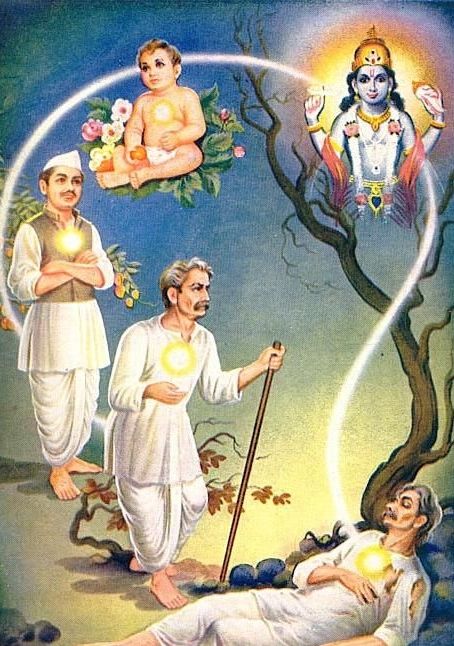
The mystery of birth and rebirth has fascinated humankind for centuries. For some, it is faith. For others, it is an unsolved puzzle. Within Hindu Dharma, rebirth is not just a belief—it is an eternal truth, woven deeply into the philosophy of life, death, and liberation.
Hindu Dharma: The Eternal Truth
The Bhagavad Gita clearly states:
“Just as a person discards worn-out clothes and wears new ones, the soul discards the old body and takes on a new one.” (Gita 2:22)
(Credit to the Real owner of the photo)
Here, Lord Krishna explains that the Atman (soul) is eternal, unchanging, and indestructible. The body is temporary, but the soul journeys forward through countless births until it attains liberation (Moksha). This cycle of Samsara—birth, death, rebirth—is guided by the law of Karma. What we do in this life becomes the seed of the next.
Hindu scriptures like the Upanishads and Puranas echo the same truth: death is not the end, but only a transition, a doorway to another life.
Scientific Enquiry: Phenomenon or Puzzle?
Modern science approaches this subject with caution, but curiosity has led to remarkable findings. ➤ Dr. Ian Stevenson (University of Virginia) investigated more than 2,500 children worldwide who recalled details of previous lives—names, families, deaths—that were later verified. ➤ In India and Sri Lanka, multiple cases documented by researchers showed children identifying villages, relatives, or events from supposed past lives with striking accuracy. ➤ International media like The Hindu, BBC, and The New York Times have reported such cases, often leaving readers questioning the limits of science and memory.
While Hindu Dharma affirms rebirth as cosmic law, science describes it as a phenomenon of consciousness—perhaps memory beyond the brain, or patterns yet to be fully understood.
My Perspective: A Bridge Between Faith and Facts
As a reader of Hindu scriptures and journals, and as a seeker who follows both tradition and contemporary research, I believe rebirth is not merely an imagination. Hindu Dharma reveals it as an eternal truth, validated through the wisdom of the Gita and countless experiences of sages. Science, though hesitant, is gradually uncovering patterns that cannot be dismissed.
Rebirth may never be explained in a laboratory in full, but in the words of the Gita, the soul’s journey is beyond material limits. Science and spirituality need not oppose each other—they may be two paths pointing to the same mysterious reality.
Conclusion
➤ In Hindu Dharma: Rebirth is an eternal law, the unbroken cycle of the soul until liberation. ➤ In Science: Rebirth remains a puzzling phenomenon, with growing evidence but no final explanation.
Perhaps the greatest truth lies in reconciliation: Hinduism provides the spiritual framework, and science offers glimpses that keep our curiosity alive. Life may not end at death—it may simply open into another chapter of an infinite story.
—
Author✒️ – Ashish Chakraborty, MSW, MA (Pol. Sci), Writer, Poet & Poetry, Digital Content Writer
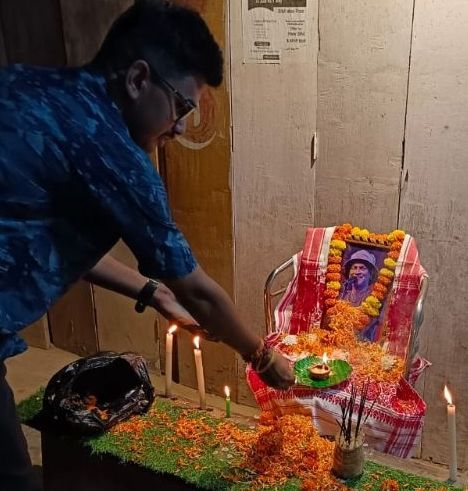
জুবিন দা: A Legend Beyond Recognition, Soul of Assam
জুবিন গার্গ—আমাদের Juveen Da—শুধু আসামের নয়, West Bengal এবং দেশের অন্যান্য অংশেরও হৃদয়ের প্রিয়। তিনি সত্যিই ভারতের finest artists-এর একজন। 38,000+ songs across 40 languages রেকর্ড করেছেন, যা এক অনন্য অবদান। এমনকি কিছু দিনে তিনি 30–35 songs রেকর্ড করেছেন। তার voice স্পর্শ করেছে Assamese, Bengali, Bollywood, এবং আরও অনেক regional industries।
Larger Than Life
জুবিন দার কোনো recognition বা introduction-এর প্রয়োজন ছিল না। তিনি ছিলেন larger than life। Bollywood তাকে শোনে unforgettable tracks যেমন Ya Ali (Gangster) এবং Dil Tu Hi Bata (Krrish 3)-এ। আজও এই গানগুলি প্রতিটি listener-এর মনে বাজে।
একজন fan হিসেবে—❓How much did Zubeen Da give to Bollywood, and what did Bollywood truly return to him? সত্যি বলতে, তিনি কোনো recognition-এর জন্য অপেক্ষা করেননি—কারণ উনি নিজেই এক Living Industry, larger than life। তারপরও আমার মনে হয়—❓Shouldn’t the Government of India consider him for the Bharat Ratna? এটা আমার personal emotion, তার multidimensional contribution-এর জন্য: music, social service, environmental work, এবং কোটি মানুষের faith ও love।
Beyond Music: Humanity & Service
জুবিন দার জীবন ছিল humanity-এর এক জীবন্ত উদাহরণ। তিনি বলেছিলেন, “I have no caste, no religion, I am like Kanchenjunga.” এবং তিনি সেই সত্যকে জীবনে পালন করেছেন। মানসিকভাবে অসুস্থ মানুষ থেকে শুরু করে poorest tea stall worker—সকলেই তাকে দেখেছেন কেবল superstar নয়, বরং একজন kindred soul। তার generosity, voluntary service, এবং মানুষের সাথে genuine connection তাকে সকলের heart-এ এক special place দিয়েছে।
A Legacy Remembered
তার প্রিয়তার প্রমাণ দেখা গেছে তার funeral-এ, যেখানে 10 lakh+ people সমবেত হয়েছেন—crying, grieving, yet united in tribute। সেই মুহূর্ত দেখায় যে, তিনি কেবল একজন singer নন, তিনি আসামের soul।
একজন fan হিসেবে, আমি humble অনুরোধ করি: আমার words বিকৃত করবেন না, কোনো controversy তৈরি করবেন না। এগুলো আমার genuine emotion, যা এখনো শোনায় Zubeen Da-এর voice, অনুভব হয় তার presence, এবং তার spirit বেঁচে আছে প্রতিটি heart-এ।
Author ✒️ – Ashish Chakraborty, MSW, MA (Political Science) | Writer • Poet • Literary Artist • Digital Content Creator
শুরু হয়েছিল একটি সামাজিক মিডিয়া নিষেধাজ্ঞার অভিযোগ থেকে, যেটি একাধিক জনপ্রিয় প্ল্যাটফর্মের রেজিস্ট্রেশন বাধ্যতামূলক করার প্রস্তাব নিয়ে পরিবেশ তৈরী করেছিল।
আন্দোলন কিছুদিনের মধ্যে ছড়িয়ে পড়ে—“Gen Z” নাম ধরে — যেখানে তরুণরা রাস্তায় নামে, নাগরিকরা তাদের ঘরবাড়ি, সরকারি ও রাজনৈতিক ভবন লক্ষ্য করে প্রতিবাদে অংশ নেয়।
উত্তেজনা পৌঁছে যায়; পুলিশের সঙ্গে সংঘর্ষ হয়, নিরাপত্তা বাহিনী রাবার বুলেট ও টিয়ার গ্যাস ব্যবহার করে, অনেকই আহত হয়, কিছু মৃত্যুও হয়।
সরকার পতন ও নতুন সরকার গঠন
এই আন্দোলন শেষে, প্রধানমন্ত্রী কে.পি. স্মার্ধা ओली পদত্যাগ করেন।
প্রায় পরের দিনই সুশীলা কার্কি, নেপালের প্রাক্তন বিচারপতি ও সর্বপ্রথম নারী প্রধানমন্ত্রী হিসেবে নির্বাচিত হন, একটি অন্তর্বর্তী সরকার গঠন করতে, প্রেসিডেন্ট রম চন্দ্র পাওদেল কর্তৃক আদালতি ও রাজনৈতিক প্রেক্ষাপটে শপথ গ্রহণ করেন।
সংসদ ভেঙে দেওয়া হয় এবং নতুন সাধারণ নির্বাচন নির্ধারিত হয় ২০২৬ সালের ৫ মার্চ।
শপথ গ্রহণ ও অন্তর্বর্তী সরকারের প্রথম নির্দেশিকাসমূহ
নতুন অন্তর্বর্তী সরকারের মন্ত্রিসভায় হাই-প্রোফাইল কিছু নাম স্থান পেয়েছে, যারা সরকারের রাজনীতিতে পরিচিত সন্দেহ কম, দুর্নীতি বিরোধী বিদ্বত্তা আছে:
1. রামেস্বর প্রসাদ খানাল (Finance Minister) — প্রাক্তন অর্থ সচিব, অর্থনীতিতে সংস্কার বিধানের অভিজ্ঞ।
2. কুলমান ঘিসিং (Energy Minister) — বিদ্যুৎ ও সুবিধাদি ব্যবস্থাপনায় পরিচিত, লোডশেডিং সমস্যা মোকাবেলায় তার কাজের রেকর্ড আছে।
3. ওম প্রকাশ আর্য্যাল (Home Minister) — মানবাধিকার আইনজীবী, জন-নাগরিক অধিকার ও আইনশৃঙ্খলা বিষয়ক কাজ করে আসছেন।
তার সরকার “দুর্নীতি বন্ধ করা, সুশাসন নিশ্চিত করা, ও আর্থ-সামাজিক সমতার দিকে কাজ করা” এই লক্ষ্যগুলির কথা উচ্চারণ করেছে এবং জনতার অভাবনীয় আস্থা ফেরত আনতে প্রতিশ্রুতি নিয়েছে।
বলিষ্ঠ প্রতিশ্রুতি ও প্রতীকী পদক্ষেপ
কার্কি ঘোষণা করেছেন, যারা আন্দোলনে নিহত হয়েছেন তাদের “শহীদ” বা মার্টির মর্যাদা দেওয়া হবে।
নিহত পরিবারের প্রতি আর্থিক ক্ষতিপূরণ ও আহতদের বিনামূল্যে চিকিৎসার প্রতিশ্রুতি দেওয়া হয়েছে।
বর্তমান চ্যালেঞ্জ ও সম্ভাবনা
নিচের বিষয়গুলো ভালোভাবে না মোকাবিলা করলে অন্তর্বর্তী সরকারের এই শুরুটা দ্রুত ধূলিসাৎ হতে পারে:
নির্যাতন, দমন ও বিচারবিভাগীয় স্বচ্ছতার অভাব: আন্দোলন চলাকালীন ঘটনাগুলোর তদন্ত এবং দোষীদের জন্য বিচারের ব্যবস্থা করতে হবে। জনতার অভিযোগ রয়েছে নিরাপত্তা বাহিনী অতিরঞ্জিতভাবে কাজ করেছে।
অর্থনৈতিক ও সামাজিক ক্ষয়ক্ষতি: দোকানপাট ধ্বংস, অবকাঠামোগত ক্ষতি, কর্মসংস্থানের অনিশ্চয়তা। যৌবন অর্থনীতি চাহিদা রাখে, আর তাৎক্ষণিক প্রভাব কাটিয়ে উঠতে বড় পরিকল্পনা দরকার।
নির্বাচন ও রাজনৈতিক উত্তরণ: নির্বাচন নষ্ট হবে না, স্বচ্ছভাবে হবে কি না, পুরাতন রাজনৈতিক দলগুলোর অভ্যেস পরিবর্তন হবে কি না, তা দেখার বিষয়।
সাধারণদের আস্থা ও অংশগ্রহণ: সরকারের সিদ্ধান্ত, বিষয়গুলি খোলাখুলিভাবে আলোচনা করা হবে কি না, Gen Z ও আন্দোলনকারীদের কথা শোনা হবে কি না—এই জিনিসগুলো আস্থা গড়তে খুব গুরুত্বপূর্ণ।
উপসংহার
নেপালের এই মুহূর্তটা শুধু ক্ষমতার বদল নয়—এটা একটি সুযোগ, একটি পরীক্ষা। সুশীলা কার্কির শপথ গ্রহণ ও অন্তর্বর্তী সরকারের গঠন প্রমাণ করে যে, মানুষের শব্দ উঠতে পারে, পরিবর্তন আসতে পারে। সাহস ছিল, জনআন্দোলন ছিল, দাবি স্পষ্ট ছিল: দুর্নীতি-বিরোধ, স্বচ্ছতা, ওয়ার্থ পালন ও বিপরীতে দাঁড়ানো।
তবে এই সব শুধু শুরু; প্রতিশ্রুতি বাস্তবায়ন করতে হবে। মানুষের মৃত্যুর ক্ষত, সরকারি দোষগুলো, ভবিষ্যৎ নির্বাচন ও দমন নীতি—এসবের বিচার হবে সময়ের ফাঁকে।
নেপাল এখন একটি নতুন অধ্যায়ের মুখে। যদি প্রশাসন, রাজনীতি ও জনগণ মিলেমিশে কাজ করতে পারে, তবে এই অধ্যায় হবে পরিবর্তনের ইতিহাসের একটি স্থায়ী পাতা।
“Disclaimer: This content is for educational and informational purposes only. Sources are based on publicly available data and knowledge.”


 Ashish Blogger | Writer | Socio-Environmental Volunteer