Tag: Awareness

  • Global Passport Ranking and Its Multidimensional Impact on National Mobility, Economy and Reputation


    Abstract:

    A country’s passport ranking reflects much more than travel freedom. It integrates economic strength, diplomatic networks, security perceptions and global reputation. This article examines what a lower ranking—such as Rank 85 in the Passport Index—signifies from financial, geopolitical, developmental and social perspectives. It also outlines how such rankings influence international mobility, foreign investment flow, and national image. Finally, the study provides policy recommendations for improving a country’s global mobility score.


    Introduction:

    The Passport Index is widely used to evaluate the “global mobility power” of different nations. A passport ranked at 85th position indicates limited access to visa-free or visa-on-arrival destinations. Although this may appear to be a mere travel indicator, in reality it reflects deeper structural issues linked with economic stability, national reputation and international relations. Understanding the multidimensional meaning of such a ranking is essential for policymakers, researchers and global governance institutions.


    Problem Statement:

    What does a low Passport Index ranking actually indicate about a nation’s economic status, security perception, and global reputation?

    Analysis:

    1. Economic and Financial Perspective

    A lower passport rank often correlates with weaker economic performance, low investor confidence, and limited global trade connectivity. Countries at Rank 85 typically experience higher barriers to international business travel, which increases transaction costs and reduces competitiveness. Frequent visa requirements restrict entrepreneurs, students and skilled workers, ultimately affecting remittances, economic mobility and talent exchange.

    2. Global Reputation and Diplomatic Relations

    Passport strength is indirectly a reflection of how the world perceives a country’s governance, stability and diplomatic reliability. A lower ranking suggests limited bilateral partnerships, lower diplomatic influence, and concerns regarding political stability or bureaucratic inefficiencies. Such reputational challenges lead other countries to impose stricter entry regulations on its citizens.

    3. Security, Governance and Migration Risks

    Countries with mid-to-low rankings are often seen as posing higher risks of irregular migration or security concerns. While this perception may not always reflect ground reality, it significantly shapes visa policies. Strong law-and-order systems, transparent governance and effective border control usually help nations achieve higher passport mobility scores.

    4. Socio-developmental Indicators

    Passport power aligns closely with a country’s human development indicators. Nations with strong education systems, high income levels and stable institutions usually enjoy higher rankings. Conversely, Rank 85 reflects developmental challenges that limit both social mobility and international trust.


    Social/Ethical Angle:

    Global mobility inequality is a growing concern. People from lower-ranked passport countries face structural disadvantages that restrict educational opportunities, medical access and cultural exposure. Ethically, this raises questions about fairness and global human rights in relation to freedom of movement.


    What could be done ??

    1. Strengthen bilateral and multilateral diplomatic agreements to increase visa-free access.


    2. Improve national security, immigration management and transparency to gain global trust.


    3. Invest in economic stability, infrastructure, and institutional reforms to enhance international perception.


    4. Promote global cultural relations, student exchange programs and international cooperation.


    Conclusion:

    A passport ranked at 85 signifies more than limited travel freedom—it represents interconnected challenges across economy, diplomacy, security and development. Improving these dimensions collectively can enhance a country’s global mobility and strengthen its international standing.


    Author Note:

    Prepared by: Ashish Chakraborty
    MSW | MA (Double); Digital Content Creator | Author | Social Worker | Environmental Volunteer | Traditional Astrologer & Palmistry Practitioner

  • RSS ও পরিবেশ রক্ষা

    ভূমিকা

    রাষ্ট্রীয় স্বয়ংসেবক সংঘ (RSS) শুধু সামাজিক বা সাংস্কৃতিক কাজেই সীমাবদ্ধ নয়—তারা পরিবেশ রক্ষাকেও অত্যন্ত গুরুত্ব দেয়। গাছ লাগানো, জল সংরক্ষণ, প্লাস্টিক বর্জন—এ ধরনের কার্যক্রম তারা দেশজুড়ে নিয়মিতভাবে পরিচালনা করে। তাদের মূল উদ্দেশ্য হলো প্রকৃতি রক্ষা, গ্রামীণ উন্নয়ন এবং সাধারণ মানুষের মধ্যে পরিবেশ-সচেতনতা বৃদ্ধি করা।

    ১. গাছ লাগানো ও সবুজায়ন

    RSS সবচেয়ে বেশি গুরুত্ব দেয় বৃক্ষরোপণ কার্যক্রমে।

    প্রতি বছর বর্ষার সময় লাখ লাখ গাছ লাগানো হয়।

    প্রতিটি স্বয়ংসেবক অন্তত ৫টি গাছ লাগানোর চেষ্টা করেন।

    শুধু গাছ লাগিয়েই নয়—গাছ বড় হওয়া পর্যন্ত তার পরিচর্যা ও পর্যবেক্ষণও করা হয়।
    এতে গ্রাম ও শহরের পরিবেশ ধীরে ধীরে উন্নত হয়।

    ২. জল সংরক্ষণ ও নদী পরিষ্কার

    ভবিষ্যতে জল সংকটের আশঙ্কা বিবেচনায় RSS জল সংরক্ষণে বিশেষ গুরুত্ব দেয়।

    গ্রামে পুকুর খনন ও সংস্কার (অমৃত সরোবর প্রকল্পে সহায়তা) করা হয়।

    গঙ্গা, যমুনা, নর্মদা প্রভৃতি নদী পরিষ্কারকরণ ও সচেতনতা ক্যাম্প পরিচালিত হয়।

    মানুষকে বৃষ্টির জল সংরক্ষণের পদ্ধতি শেখানো হয়।
    ফলে গ্রামের জলব্যবস্থা ও পানির প্রাপ্যতা উল্লেখযোগ্যভাবে উন্নত হয়।

    ৩. প্লাস্টিক কমানোর প্রচার

    প্লাস্টিক পরিবেশের বড় ক্ষতি করে—এ কারণে RSS নিজ নিজ শাখা ও সমাজে প্লাস্টিকমুক্ত পরিবেশ তৈরিতে প্রচার চালায়।

    কাপড়ের ব্যাগ ব্যবহার করতে উৎসাহিত করা হয়।

    একবার ব্যবহারযোগ্য প্লাস্টিক এড়াতে বলা হয়।

    বাজারে গেলে নিজের ব্যাগ সঙ্গে নেওয়ার পরামর্শ দেওয়া হয়।

    প্লাস্টিক বর্জ্য না ছড়ানোর জন্য সচেতনতা গড়ে তোলা হয়।
    এর ফলে ধীরে ধীরে পরিবেশ দূষণ কমে।

    ৪. গোরক্ষা ও জৈব চাষ

    RSS-এর মতে পরিবেশ, গরু ও কৃষি—এই তিনটি পরস্পর সম্পর্কিত। তাই তারা প্রচার করে—

    গোবর ও জৈব সার ব্যবহার

    রাসায়নিক সারের ব্যবহার কমানো

    দেশী গরু সংরক্ষণ

    কৃষকদের জৈব চাষ শেখানো
    এই পদ্ধতি জমির উর্বরতা বাড়ায় এবং স্বাস্থ্যকর খাদ্য উৎপাদনে সহায়ক হয়।

    ৫. পরিবেশ শিক্ষা ও ক্যাম্প

    RSS সারা বছর বিভিন্ন পরিবেশ-সংক্রান্ত কর্মসূচি আয়োজন করে—

    বিশ্ব পরিবেশ দিবস

    বন মহোৎসব

    স্কুল–কলেজে সচেতনতা ক্লাস

    ছাত্র সংগঠন ও শিক্ষাপ্রতিষ্ঠানের মাধ্যমে পরিবেশ শিক্ষা
    এতে ছোট থেকে বড়—সবাই সহজেই পরিবেশের গুরুত্ব বুঝতে পারে।

    ৬. বিশেষ সংগঠন

    পরিবেশ নিয়ে RSS-এর কিছু বিশেষ সংগঠন রয়েছে—

    পর্যাবরণ গতিবিধি (RSS-এর পরিবেশ বিভাগ)

    বিভিন্ন নদী রক্ষা কমিটি

    বনবাসী কল্যাণ আশ্রম (আদিবাসী এলাকায় বন, নদী ও মাটি রক্ষা কার্যক্রম)

    উপসংহার

    স্বয়ংসেবকরা পরিবেশকে শুধু সামাজিক দায়িত্ব হিসেবেই দেখেন না—তাদের মতে, এটি ধর্ম, সংস্কৃতি ও মানবিকতার গুরুত্বপূর্ণ অংশ। গাছ লাগানো, জল সংরক্ষণ, প্লাস্টিক বর্জন, জৈব চাষ—এসব পদক্ষেপের মাধ্যমে তারা প্রকৃতি রক্ষায় উল্লেখযোগ্য ভূমিকা পালন করছেন।

    যদিও আরও স্বচ্ছ তথ্য ও দীর্ঘমেয়াদী বিশ্লেষণ প্রয়োজন, তবুও বলা যায়—
    ভারতজুড়ে পরিবেশ সংরক্ষণে স্বয়ংসেবকরা একটি সক্রিয় এবং দীর্ঘমেয়াদী ভূমিকা পালন করছে।

    Jana Sambvad, Kendra
    স্বয়ংসেবক

    Curtsey to: Real owner Image

  • 🌱 The Earth whispers warnings; will we listen before silence takes over?

    🌍 The environment is changing rapidly due to human-driven factors like industrialization, deforestation, pollution, and climate change. Protecting it requires collective action—through sustainable living, renewable energy, conservation, and awareness.


    ✦  Changing Environment and Our Responsibility

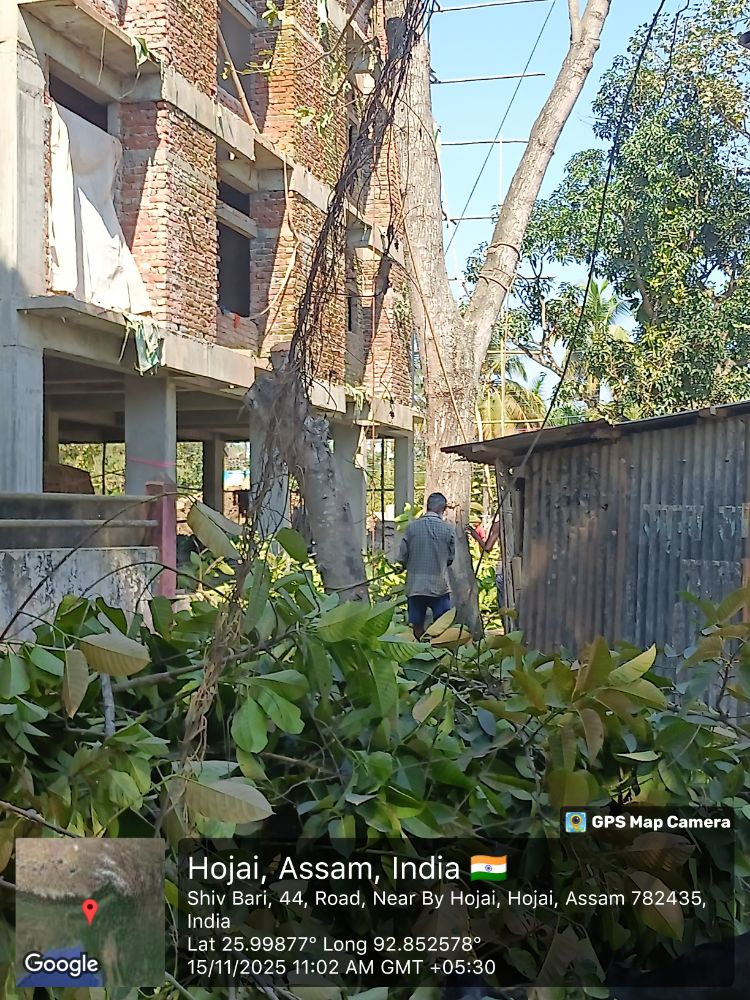
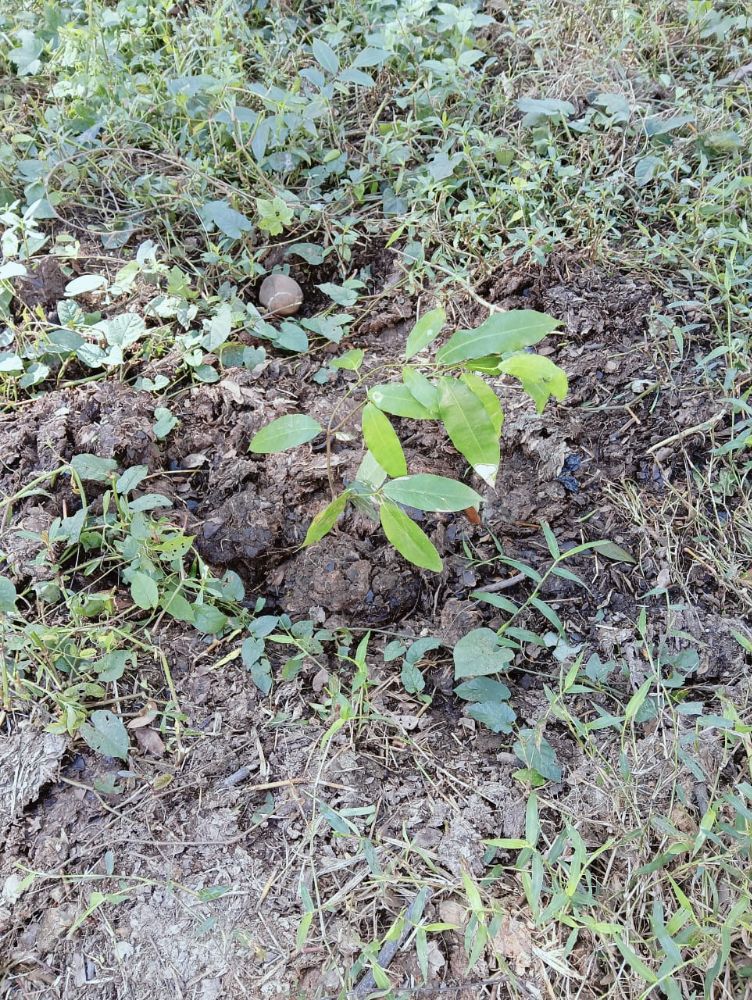
    Forest site images at Hojai

    🌍 How the Environment is Changing ?

    • Rising global temperatures due to greenhouse gas emissions.
    • Deforestation leading to biodiversity loss and soil erosion.
    • Air, water, and soil pollution affecting human health and ecosystems.
    • Urbanization and industrialization increasing waste and resource depletion.
    • Climate change impacts such as floods, droughts, and unpredictable weather patterns.

    ⚠️ Major Factors Responsible

    • Population growth and overconsumption of resources.
    • Industrial emissions and fossil fuel dependency.
    • Unsustainable agriculture and landfills.
    • Plastic pollution and poor waste management.
    • Unrestricted development damaging natural habitats.

    🌿 What We Can Do to Protect the Environment

    • Adopt renewable energy (solar, wind, hydro) to reduce carbon footprint.
    • Plant trees and support afforestation projects.
    • Reduce, reuse, recycle to minimize waste.
    • Promote sustainable agriculture and organic farming.
    • Conserve water and energy in daily life.
    • Raise awareness through education and community initiatives.
    • Support eco-friendly policies and hold industries accountable.


    ✒️ Writer – Ashish Chakraborty, MSW, MA (Double)


  • Is Development Possible Without Destroying Trees?❓


    Intro
      

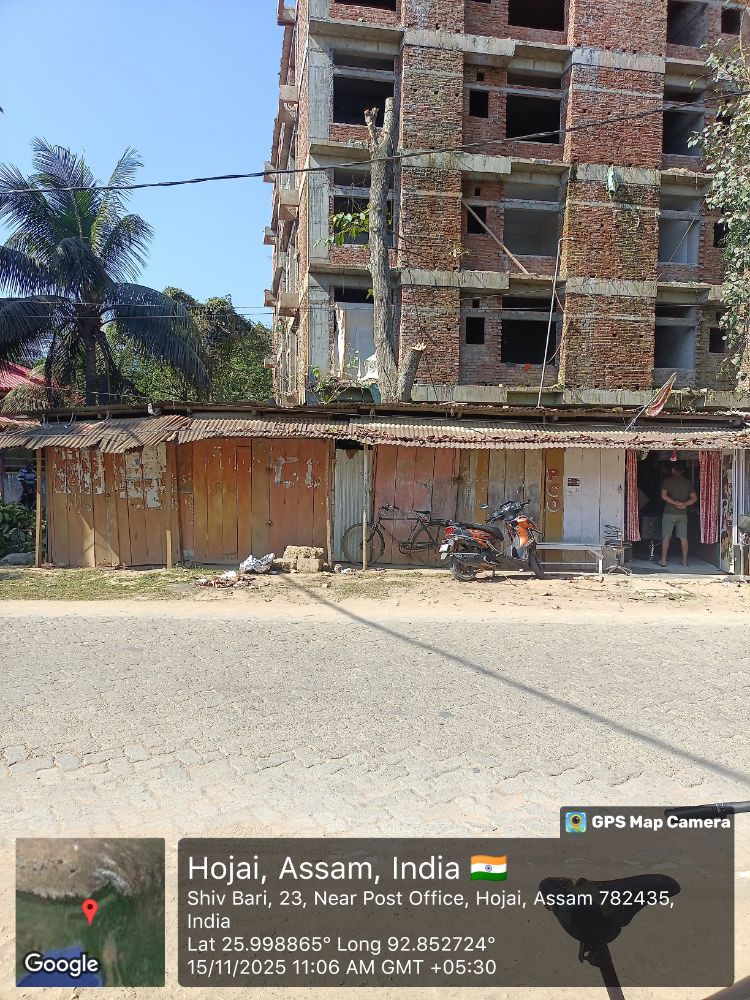
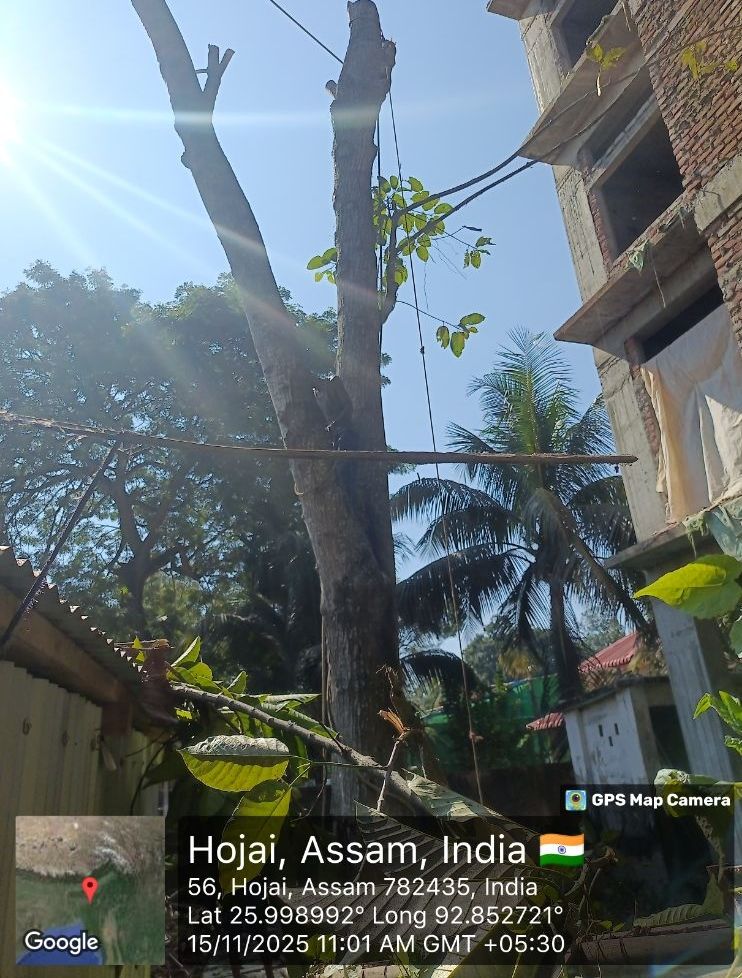
    Every day we speak about climate change and global warming, yet we continue to witness trees being cut in the name of development. I recently came across a site where several trees were being removed, and it raised an important question in my mind. Is destruction of green cover truly unavoidable, or are we ignoring better alternatives? As a citizen, this contradiction forces us to think more deeply.


    Problem Explanation

    The central concern is the growing trend of cutting trees for construction and expansion projects. While development is essential, the process often directly targets existing natural resources. This creates a conflict between infrastructural needs and environmental protection, making the issue complex and concerning.


    Why This Matters

    In a time when global warming, unpredictable climate patterns and rising temperatures are becoming everyday realities, the loss of trees further intensifies the crisis. The Government of India continuously promotes plantation drives and environmental awareness, yet on the ground, institutions sometimes move forward with tree-cutting. This contradiction weakens public confidence and creates confusion about our collective priorities.


    Simple Analysis

    The core of the problem lies not in development itself, but in the approach. Trees are cut because alternative designs or protective measures are often overlooked. Sustainable planning—like re-routing, vertical construction, transplantation, or integrating greenery within projects—can significantly reduce damage. When such options exist, choosing the easiest path—cutting trees—reflects a lack of environmental sensitivity rather than true development.


    Solution

    Real development should adopt eco-friendly planning, mandatory environmental audits, and responsible decision-making. Authorities can explore tree transplantation, redesign layouts, or integrate green zones instead of removing existing trees. Citizens, too, can question policies respectfully and raise awareness without creating controversy. This balanced approach can ensure both infrastructure and nature coexist.


    Conclusion

    Protecting trees is not an obstacle to development—rather, it is a foundation for sustainable progress. When alternatives exist, choosing them is not protest; it is responsibility.


    Reader Question

    Do you believe true development is possible without harming our environment?

    Original image (Hojai)

    Ashish Chakraborty
    MSW | MA (Double)
    Digital Content Creator | Author
    Voluntary Social Worker | Environmental Volunteer
    Traditional Astrologer & Palmistry Practitioner
  • The Medicinal and Ecological Significance of the Banyan Tree (Ficus benghalensis)

    Abstract

    The banyan tree (Ficus benghalensis), deeply rooted in the cultural and ecological landscape of India, holds remarkable medicinal, environmental, and socio-symbolic value. Drawing from Ayurvedic texts, modern scientific research, and collective traditional knowledge, this article explores the therapeutic potential of the tree and highlights the urgent need for its conservation.

    বট গাছের ছবি

    A Combined Ayurvedic,Scientific,& Socio-Environmental,Perspective

    Introduction

    The banyan tree has long been celebrated as a symbol of stability, longevity, and healing. The photograph taken beneath its canopy serves as an opportunity to reflect on its multifaceted importance. Beyond its majestic appearance, the tree plays a crucial role in public health, ecological balance, and traditional medicine. This article synthesizes insights from Ayurvedic literature, contemporary research findings, and community-based knowledge to create a concise awareness-oriented narrative.

    Ayurvedic Significance

    Ayurveda identifies the banyan tree as a potent medicinal resource, describing it as an essential component of natural healing. Its therapeutic contributions include:

    1. Respiratory Support
    The powdered bark is traditionally used to help clear the respiratory tract and reduce symptoms of asthma and chronic cough.

    2. Digestive and Intestinal Benefits
    The astringent properties of the bark aid in managing diarrhea, intestinal inflammation, and related digestive disorders.

    3. Dermatological Applications
    Leaf extracts are widely applied to minor wounds, skin irritations, and inflammatory skin conditions, accelerating natural healing.

    4. Blood Sugar Regulation
    Extracts from the roots and bark have been observed to support the regulation of blood glucose levels.

    5. Mental and Emotional Stability
    In Ayurvedic philosophy, the banyan tree represents grounding and mental steadiness, often associated with meditation and inner balance.

    Scientific Perspective

    Modern studies reinforce several traditional beliefs, identifying key bioactive compounds with therapeutic value:

    1. Nighttime Oxygen Release
    The tree contributes positively to the micro-environment by releasing oxygen even during nighttime through a modified Crassulacean Acid Metabolism mechanism.

    2. Anti-inflammatory Properties
    Leaf extracts contain flavonoids and other compounds effective in reducing inflammation and swelling.

    3. Anti-allergic Effects
    Bark powder shows potential in alleviating allergy-related respiratory challenges.

    4. Anti-diabetic Activity
    Several studies document the tree’s role in lowering blood glucose through natural phytochemicals.

    5. Wound-Healing Potential
    Extracts from the leaves promote faster epithelialization and natural wound closure.

    Socio-Environmental Perspective

    The banyan tree is not only medicinally valuable but also culturally important. It provides shade, stabilizes soil, supports biodiversity, and serves as a gathering point in many communities.
    The awareness message expressed through the original photograph emphasizes:

    The urgent need to stop unnecessary tree-cutting, particularly of medicinal and ecologically important species.

    The understanding that protecting trees means protecting families, communities, and future generations.

    Nature conservation as a moral and collective responsibility.

    Source and Methodology

    This article is written by combining information from Ayurvedic texts, online scientific publications, ethnobotanical studies, and personal understanding of traditional practices.

    Conclusion

    The banyan tree stands as a living testament to the interconnectedness of human health, ecology, and tradition. Its medicinal value is supported by both ancient wisdom and modern science. As urbanization grows, the responsibility to protect such vital natural resources becomes even more crucial. Conservation of the banyan tree is, therefore, not merely an environmental act but a commitment to safeguarding cultural heritage and public well-being.

    About the Writer
    Ashish Chakraborty
    MSW | MA (Double)
    Digital Content Creator | Author | Voluntary Social Worker

  • পরিবেশ ধ্বংসের তীব্রতা — আমরা কেন চুপ বোছ, সরকারের দায়িত্ব কী হওয়া উচিত?


    ভূমিকা
    বিশ্বব্যাপী পরিবেশ ধ্বংসের গতিবেগ এখন আর কল্পনাতীত—বায়ুমণ্ডলে কার্বন বেড়ে চলেছে, বন কমছে, প্লাস্টিক ও বর্জ্য বাড়ছে, এবং জীববৈচিত্র্য দ্রুত ক্ষয়ে যাচ্ছে। এই বিপর্যয়ের সামনে জনসম্মুখে আমাদের নীরবতা এবং দায়িত্বহীনতা কেন চলছে—এটি বিশ্লেষণ করা জরুরি। নিচে সংক্ষিপ্ত, তথ্যভিত্তিক ও তর্কোপযুক্ত প্রতিবেদন দিলাম।

    ১) বর্তমান অবস্থা — কিছু মূল পরিসংখ্যান (সংক্ষেপে)

    বায়ুমণ্ডলের CO₂ ঘনত্ব দ্রুত বেড়ে ২০২৪–২০২৫ সালে নতুন রেকর্ডে পৌঁছেছে; Mauna Loa নজরদারি অনুযায়ী ২০২৫-এর সাম্প্রতিক মাসগুলিতে CO₂ ~425 পিপিএম বা তারও বেশি রেকর্ড হয়েছে — যা শিল্পোত্তর (pre-industrial) পর্যায়ের তুলনায় উল্লেখযোগ্যভাবে বেশি এবং তাপমাত্রা বৃদ্ধির ঝুঁকি বাড়ায়।

    বিশ্বজুড়ে বনভূমি ক্ষয় অব্যাহত; 1990–2020 মধ্যে মোট আনুমানিক ৪২০ মিলিয়ন হেক্টর বন হারিয়েছে, ২০১৫–২০২০ পর্যায়ে বার্ষিক হার প্রায় ১০ মিলিয়ন হেক্টর। বনক্ষয় কমেছে বলে মনে করা হলেও মোট হার এখনও উদ্বেগজনক।

    প্লাস্টিক দূষণ অত্যন্ত গুরুতর — বছরে প্রায় ১৯–২৩ মিলিয়ন টন প্লাস্টিক জলের মধ্যে লিক হচ্ছে; সমুদ্র ও নদীতে প্রতিদিন হাজার হাজার ট্রাক সমপরিমাণ প্লাস্টিক প্রবাহিত হচ্ছে।

    বায়ু দূষণের স্বাস্থ্যঝুঁকি বিপুল: ২০১৯ সালে বাহ্যিক বায়ু দূষণ প্রায় ৪.২ মিলিয়ন আগাম মৃত্যু দায়ী বলে WHO রিপোর্ট করে; সামগ্রিকভাবে বায়ু ও ঘরোয়া দূষণ সম্পর্কিত মারা যাওয়ার সংখ্যা আরও বড় ( ~৭ মিলিয়ন সারণিতে সূচিত)।

    জীববৈচিত্র্য সংকট — প্রায় ১ মিলিয়ন প্রজাতিই বিলুপ্তির ঝুঁকিতে রয়েছে বলে IPBES রিপোর্টে সতর্কতা দেওয়া হয়েছে; প্রাকৃতিক পদ্ধতির বিশৃঙ্খলা খাদ্য নিরাপত্তা ও জীবিকা ঝুঁকিতে ফেলে।


    ২) আমরা কেন ততটা নীরব বা অনড়? — কারণসমূহের বিশ্লেষণ

    জটিলতা ও দুর্গমতা: পরিবেশগত সমস্যা বহুস্তরীয় (জলবায়ু, বায়ু, মৃত্তিকা, জীববৈচিত্র্য)। প্রতিটি সমস্যা আলাদা ব্যবস্থাপনা দাবি করে; সাধারণ মানুষের কাছে বিষয়গুলো প্রায়ই দূর-অবোধ্য মনে হয়।

    স্বার্থ ও অর্থনৈতিক চাপ: সংরক্ষণ কার্যক্রম ও পরিবর্তন প্রায়ই রাজস্ব বা জীবিকার সঙ্গে সরাসরি সংঘর্ষ মনে হয়—এ কারণেই সমালোচনাহীন নীরবতা দেখা যায়। (এখানে ‘টাকা’-নির্ভরতা বোঝানো, কিন্তু বিস্তারিত অসমাপ্ত কারণগুলো সামাজিক ও কাঠামোগত)।

    রাজনৈতিক অগ্রাধিকারবিহীনতা: স্বল্পমেয়াদি অর্থনৈতিক সূচক বৃদ্ধি রাজনৈতিক কর্মসূচিতে অগ্রাধিকার পায়; দীর্ঘমেয়াদি পরিবেশগত বিনিয়োগ নেগ্লেক্ট হয়।

    জ্ঞান ও দায়িত্ব ভাগাভাগি না হওয়া: ব্যক্তি, শিল্প ও রাষ্ট্র—এই তিন স্তরেই ঝোঁক ও দায়বদ্ধতা স্পষ্ট নয়; একে অপরকে দোষারোপ করাই সাধারণ প্রতিক্রিয়া।

    দ্রুত ফলাফল না দেখানো: পরিবেশ সংরক্ষণে অবিলম্বে দৃশ্যমান লাভ কম; তাই রাজনৈতিক ও সামাজিক মনোবৃত্তি দীর্ঘমেয়াদি শৃঙ্খলাকে সমর্থন করে না।


    ৩) সরকারের দায়িত্ব — বাস্তব, ব্যবহারিক ও প্রয়োজনীয় পদক্ষেপ (সংক্ষেপে ও শ্রেনীবদ্ধ)


    A. নীতিগত কাঠামো ও আইন-প্রয়োগ

    শক্তিশালী, বৈজ্ঞানিকভাবে নির্ভর পরিবেশ নীতি গ্রহণ ও বাস্তবায়ন; নির্দিষ্ট লক্ষ্যমাত্রা (GHG reduction targets, deforestation reduction targets, plastic leakage reduction) নির্ধারণ এবং নিয়মিত অডিট।

    দূষণ নিয়ন্ত্রণে কঠোর বিধি ও অনুশীলন, শিল্পে নির্গমন মানদণ্ড কঠোরভাবে চাপানো এবং ফাইন/শাস্তির উপযুক্ত প্রণালী বজায় রাখা।


    B. বিনিয়োগ ও আর্থিক প্রণোদনা

    পুনর্নবীকরণযোগ্য শক্তি, পরিবেশবান্ধব শিল্পপ্রকৌশল ও সাস্টেইনেবল কৃষিতে সরকারী বিনিয়োগ বৃদ্ধি; ক্ষতিকর উপাদান ব্যবহার কমাতে প্রণোদনা।

    টেকসই প্রকল্পে ট্যাক্স ছাড়, গ্রিন বন্ড ইস্যু, ক্ষুদ্র উদ্যোগকে সহায়তা — যাতে পরিবেশবান্ধব পরিবর্তন লাভজনক হয়।


    C. সংরক্ষণ, পুনর্নির্মাণ ও জরুরি প্রস্তুতি

    বন সংরক্ষণ ও পুনরুদ্ধারে বাস্তব কার্যক্রম; স্থানীয় সম্প্রদায়কে যুক্ত করে বন-ভিত্তিক আর্থ-সামাজিক উপায় তৈরি।

    উপকূলীয় ও নগর এলাকায় জলের সমস্যার জন্য অভিযোজন (adaptation) নীতি—প্লাস্টিক নিয়ন্ত্রণ, বন্যা প্রণালী উন্নয়ন, বর্জ্য ব্যবস্থাপনা শক্তিশালী করা।


    D. স্বাস্থ্য ও পরিবেশ সংযুক্ত নীতি

    বায়ু ও জলমান উন্নয়নে সরাসরি জনস্বাস্থ্য নীতি; বায়ু দূষণ কমাতে দৃশ্যমান পরিকল্পনা (পরিবহন, শক্তি, নির্মাণখাতে মানদণ্ড)।


    E. শিক্ষা, জাগরণ এবং দায়িত্ববোধ গঠন

    স্কুল থেকে শুরু করে জনসচেতনতা ক্যাম্পেইন; সহজ, কর্মসম্পাদনযোগ্য রুটিন (রিসাইক্লিং, প্লাস্টিক-বিহীন উদ্যোগ, শক্তি-সংরক্ষণ) প্রচার।

    স্থানীয় নেতৃত্ব ও নাগরিক অংশগ্রহণ বাড়ানো — পরিবেশ রক্ষার দায়িত্ব কেবল সরকার নয়, সমাজসহ সবাইকে নিতে হবে।


    ৪) বাস্তবায়ন ও মনিটরিং — কিভাবে সফলতা মাপা হবে?

    স্পষ্ট সূচক নির্ধারণ: PM2.5/PM10, CO₂ পিপিএম, সাগর-উষ্ণতা, বন-আচ্ছাদন হার, প্লাস্টিক লিকেজ টন প্রতি বছর ইত্যাদি। নিয়মিত প্রকাশিত রিপোর্ট ও স্বাধীন তৃতীয় পক্ষের অডিট বাধ্যতামূলক করা উচিত।


    উপসংহার — নীরবতা আর মানায় না
    পরিবেশ ধ্বংসের সূচকগুলো ইতিমধ্যে বাস্তব এবং দ্রুতগতিতে ক্ষতি বাড়ছে; আমরা চুপচাপ বসে থাকা আর ভাল যুক্তি দিয়ে সামান্য দেরি করার মত বিতর্কে আটকে থাকা এখন আর চলবে না। সরকারকে দৃঢ় নীতিগত, আর্থিক ও কর্মদক্ষ উদ্যোগ নিতে হবে; নাগরিকদেরও দৈনন্দিন জীবনে পরিবর্তন আনার মাধ্যমে অংশগ্রহণ করতে হবে। আধুনিক প্রযুক্তি ও জ্ঞান থাকা সত্ত্বেও রাজনৈতিক সংকল্পহীনতা বা স্বার্থান্বেষী বিন্যাস যদি বজায় থাকে, পরিবেশগত ক্ষতি অনিবার্যভাবে আরও বড় হবে—এটি শুধু পরিবেশগত সমস্যা নয়, ভবিষ্যৎ প্রজন্মের ন্যায়-বিচারের প্রশ্ন।


    উৎস : IPCC AR6 সংকলন (ক্লাইমেট), NOAA Mauna Loa CO₂ ডাটা, FAO বনসম্পদ প্রতিবেদণ, UNEP প্লাস্টিক-দূষণ প্রতিবেদন, WHO বায়ু দূষণ প্রভাব রিপোর্ট।

    𝓫𝔂 : 𝒜𝓈𝒽𝒾𝓈𝒽 𝒞𝒽𝒶𝓀𝓇𝒶𝓫𝓸𝓇𝓉𝓎 ✍🏾📚⋆。˚.

  • ✦ The Silent Story Beneath the Banyan Tree

    Nature of Beauty

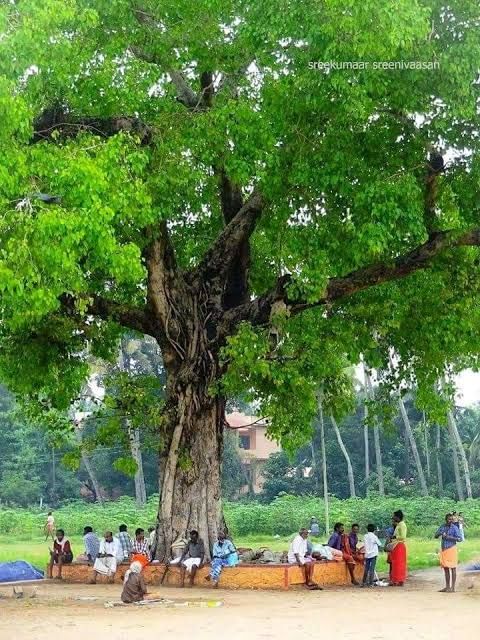
    That evening was painted in peace. As I returned from Srimanta Sankardev Nagar toward Hojai, I noticed an elderly man—perhaps in his late fifties—resting quietly under a sprawling banyan tree. Before him lay a vast paddy field, glowing gold under the evening sun. The air was still, carrying the earthy scent of freshly turned soil — a reminder that life begins here, in the hands of those who nurture the earth.

    ➤ I stopped my car and walked closer. “Kaka, how are you?”
    He smiled softly. “I’m fine, just watching my field. You?”
    I said gently, “Call me ‘tumi’, it feels warmer.”
    And so began a conversation—short in words, long in emotion.

    ✬ He pointed toward the field.
    “This is my land. I’ve tilled it myself this year, but I’m not sure I’ll be able to next year. My sons work in Bengaluru, my daughter is married away. They come sometimes, help a little, but I don’t know if they’ll ever take this soil in their hands again.”

    His voice faded into the wind. For a while, neither of us spoke. I could only feel the weight of his question—

    ➔ “Will there be anyone left, who will still touch this soil with love?”

    Those words echoed within me. Because beyond that question lies a truth we often overlook: the farmer’s hands are the roots of our civilization, and our future depends on the soil he protects.

    In a world obsessed with progress, we forget that every breath we take, every meal we eat, begins with a farmer and the environment he preserves. When the earth suffers, we suffer too.

      The real heroes are not always in uniforms or offices — sometimes, they stand barefoot in muddy fields, sowing hope grain by grain.

    ★ As individuals, we can honor them not just with words, but with actions:

    Support local farmers and organic produce.

    Avoid food waste — it disrespects the labor of those who grow it.

    Plant trees, protect water, and choose sustainability in small ways.

    Teach children that progress is not leaving the land, but loving it responsibly.

    ✬ Protecting the environment is not a choice — it’s gratitude in action.
    Because when we protect the farmer, we protect the earth… and when we protect the earth, we protect ourselves.

    Do you believe the next generation will carry this love for the soil forward?

    Ashish Chakraborty।। MSW ,MA(Double)।। Digital Content Writter ✒️।। Voluntary Social Worker ।। ✍

  • “Exploring the Nature and Extent of the Indian Constitution”

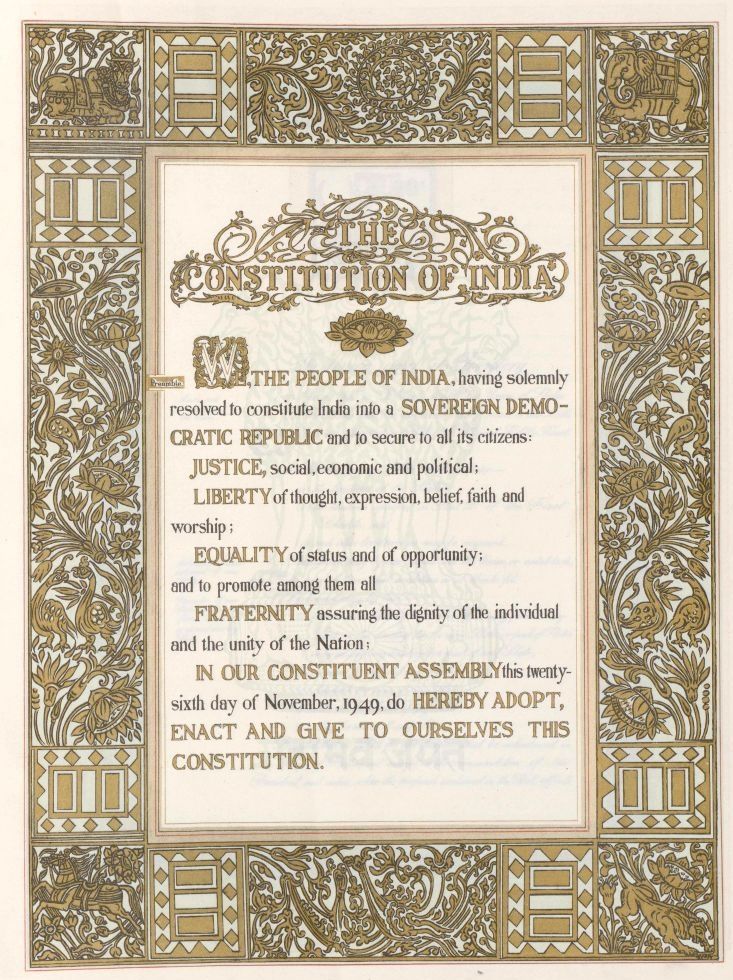
    Image taken from Social Media (create real Source)

    Abstract:
    The Constitution of India, adopted on 26th January 1950, is the supreme law of the land. It not only provides the framework for political governance but also guarantees fundamental rights, defines the powers of the legislature, executive, and judiciary, and establishes principles for social and economic justice. This article examines the nature, features, and scope of the Indian Constitution and explores its role in shaping modern Indian democracy.

    1. Introduction
    Constitutional law forms the backbone of any democratic polity. In India, the Constitution is both a legal document and a social charter, reflecting the aspirations of a diverse nation. It is designed to provide stability, protect fundamental rights, and ensure the separation of powers among various organs of the state. Understanding its nature and scope is critical for scholars, lawmakers, and citizens alike.

    2. Nature of the Indian Constitution
    The Indian Constitution embodies a unique synthesis of various constitutional traditions, making it distinct in its nature. Some key aspects include:

    Written Constitution: Unlike the United Kingdom, India possesses a comprehensive written Constitution, which clearly enumerates the structure, functions, and powers of government institutions.

    Federal Features with Unitary Bias: India exhibits a quasi-federal structure, with distribution of powers between the Centre and States, but with a clear unitary bias in times of emergency.

    Rigid and Flexible: Certain provisions require a special procedure for amendment, reflecting rigidity, while others can be modified by ordinary legislative procedure, reflecting flexibility.

    Sovereign and Democratic: The Constitution upholds India as a sovereign, secular, and democratic republic, guaranteeing equality and justice for all citizens.

    Dynamic and Living Document: Judicial interpretations, constitutional amendments, and socio-political developments continually shape the Constitution, ensuring it remains relevant in changing times.

    3. Scope of the Indian Constitution
    The scope of the Constitution extends beyond mere governance. It encompasses multiple dimensions:

    Fundamental Rights: Protect individual liberties and prevent state overreach.

    Directive Principles of State Policy: Guide the government in promoting social welfare, economic justice, and equity.

    Separation of Powers: Ensures an independent judiciary, responsible executive, and accountable legislature.

    Federal Relations: Regulates the relationship between the Centre and States, providing mechanisms for conflict resolution.

    Amendments and Adaptability: The Constitution allows for amendments, ensuring responsiveness to social, economic, and political changes.

    Judicial Review: Empowers the judiciary to strike down laws and executive actions inconsistent with constitutional provisions.

    4. Significance
    The Indian Constitution not only provides the legal foundation for governance but also serves as a guide for nation-building. It promotes social justice, equality, and inclusivity, while balancing individual freedoms with collective responsibilities. Its adaptability ensures that it can respond to new challenges without compromising the democratic ethos.

    5. Conclusion
    The Constitution of India represents a remarkable achievement in the history of governance, blending principles from various global constitutional models while reflecting indigenous aspirations. Its nature as a written, sovereign, and flexible document and its wide-ranging scope make it central to understanding Indian democracy. For scholars and practitioners of constitutional law, the Indian Constitution continues to be a living document, shaping the legal, political, and social landscape of the nation.

    References:

    1. B. Shiva Rao, The Framing of India’s Constitution, New Delhi: Universal Law Publishing, 2019.

    2. Granville Austin, The Indian Constitution: Cornerstone of a Nation, New Delhi: Oxford University Press, 2016.

    3. M. P. Jain, Indian Constitutional Law, New Delhi: LexisNexis, 2021.

    If you want, I can also draft a version with journal-style headings, subheadings, and citations formatted in APA/Chicago style to make it directly ready for submission in a professional legal journal.

    4. Durga Das Basu, Introduction to the Constitution of India, LexisNexis, 2020.

    5. Various online portal

    Ashish Chakraborty, MSW, MA | Digital Content & Article Writer

  • The Science of Memory Habits — A Daily Brain Exercise 

     ✶Title:  The Science of Memory Habits — A Daily Brain Exercise 

    (Author: 𝓫𝔂 : 𝒜𝓈𝒽𝒾𝓈𝒽 𝒞𝒽𝒶𝓀𝓇𝒶𝓫𝓸𝓇𝓉𝓎 ✍🏾📚⋆.)

    Abstract ➤

    Memory is not a gift; it’s a skill that grows with mindful practice. Much like physical muscles, our neurons require consistent engagement and repetition to stay sharp. 

    1. Introduction ✬

    As a writer and observer of human learning, I’ve noticed that students often underestimate the trainable nature of memory. Modern neuroscience confirms — memory is shaped by repetition, focus, and emotional connection. My view aligns with this scientific truth: the brain becomes what it repeatedly does.

    2. Key Techniques 

    ❶ Spaced Repetition: Review lessons at intervals (1–3–7 days). It reinforces neural pathways and prevents forgetting.

    ❷ Active Recall: Instead of re-reading, test yourself. Each recall attempt strengthens synaptic signals.

    ❸ Visualization: Turn facts into vivid mental pictures; the brain stores images faster than text.

    ❹ Sleep & Hydration: Deep sleep consolidates memory; water supports neurotransmitter function.

    3. Scientific Perspective ✵

    The hippocampus — the brain’s “memory hub” — acts like a data processor. When you practice regularly, synapses release more neurotransmitters, increasing the speed of recall. Data from cognitive psychology show up to 60% improvement in retention when learners apply spaced repetition over rote memorization.

    4. My Observational View ✓

    From years of mentoring and writing, I’ve realized that true learning happens not through cramming, but through gentle daily exercise of memory. It’s less about time, more about consistency. As I often say — “Train your brain like an athlete trains his body.”

    5. Conclusion ✔

    Memory power isn’t magic — it’s science in motion. Practice daily, rest well, visualize your goals, and you’ll witness your mind evolve into a sharper, calmer tool of knowledge. ✒️📚

  • Title: The Genesis and Evolution of Social Audit: A Global and Indian Perspective

    Title: The Genesis and Evolution of Social Audit: A Global and Indian Perspective

    Introduction

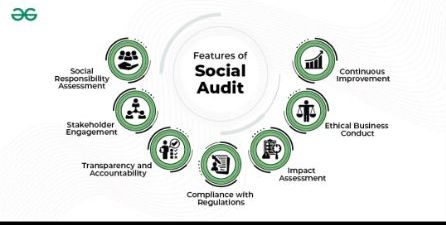
    Social Audit is a participatory process that enables citizens to assess and evaluate government programs, policies, and laws. In India, it serves as a vital tool for ensuring transparency, accountability, and public participation in governance.

    Image source Google

    Global Origins of Social Audit

    The concept of Social Audit originated in Sweden between 1985 and 1988. Researchers John Fry and Ulla Ressner conducted a comprehensive study of Sweden’s central bureaucracy—the National Labour Market Board (Arbetsförmedlingen). This study involved interviews and questionnaires with over 1,000 employees at various levels, aiming to assess the alignment between work experiences and the organization’s objectives. The findings were published in 1988 under the title “Social Revision av ett Ämbetsverk” and sparked significant debate in the Swedish Parliament .

    Objectives of Social Audit

    The primary objectives of Social Audit include:

    Transparency and Accountability: Ensuring that organizations and governments are open about their activities and are held accountable for their actions.

    Stakeholder Engagement: Involving community members and stakeholders in evaluating and improving organizational performance.

    Ethical Standards: Assessing adherence to ethical practices and social responsibility.

    Performance Improvement: Identifying areas for enhancement in organizational operations and services.

    Social Impact Assessment: Evaluating the social and environmental impacts of organizational activities .

    Social Audit in India

    In India, the concept of Social Audit gained prominence with the enactment of the Mahatma Gandhi National Rural Employment Guarantee Act (MGNREGA) in 2005, which mandated its implementation to monitor wage employment programs. Over time, its scope expanded to include various social sector schemes, promoting inclusive governance.

    Institutional Framework and Public Participation

    The Ministry of Rural Development (MoRD) has established guidelines and rules to facilitate Social Audits under MGNREGA. These include the formation of Social Audit Units (SAUs), capacity-building initiatives, and the development of audit manuals to standardize procedures. The active involvement of Gram Sabhas, where community members collectively assess project implementation, ensures that the voices of marginalized groups are heard, fostering inclusive development .

    Challenges and Way Forward

    Despite its successes, challenges such as low women participation and resistance from local officials persist. Addressing these issues requires continuous advocacy, capacity building, and strengthening of institutional mechanisms to uphold the integrity of Social Audits.

    Conclusion

    Social Audits in India have proven to be an effective mechanism for promoting transparency, accountability, and public participation in governance. By empowering communities to actively engage in the oversight of public programs, Social Audits contribute to the realization of inclusive and sustainable development

Design a site like this with WordPress.com
Get started