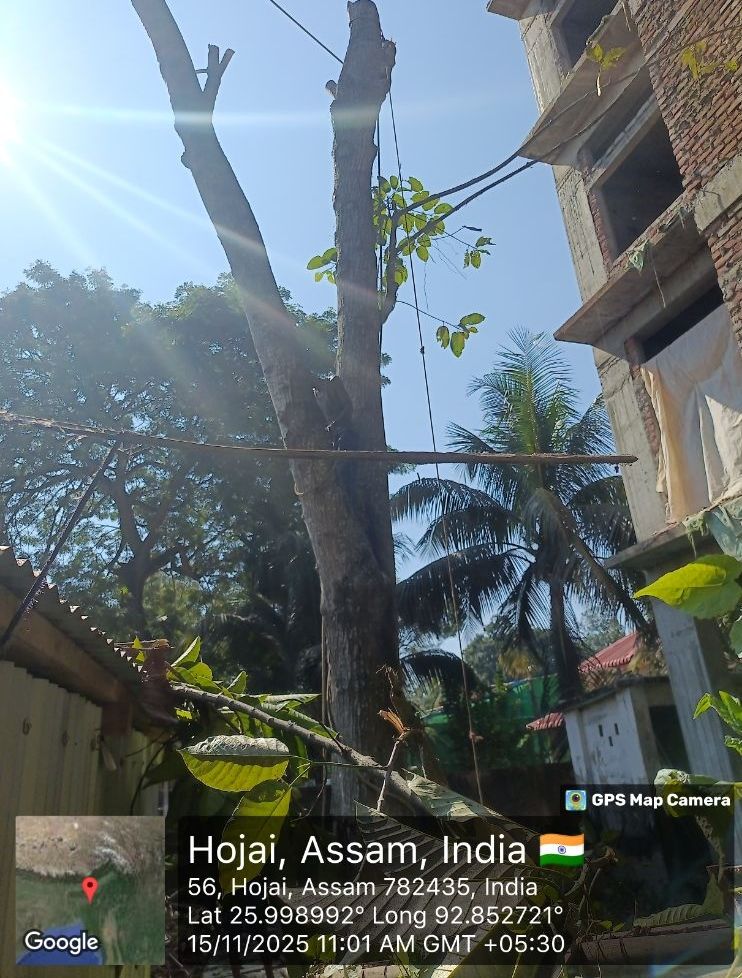
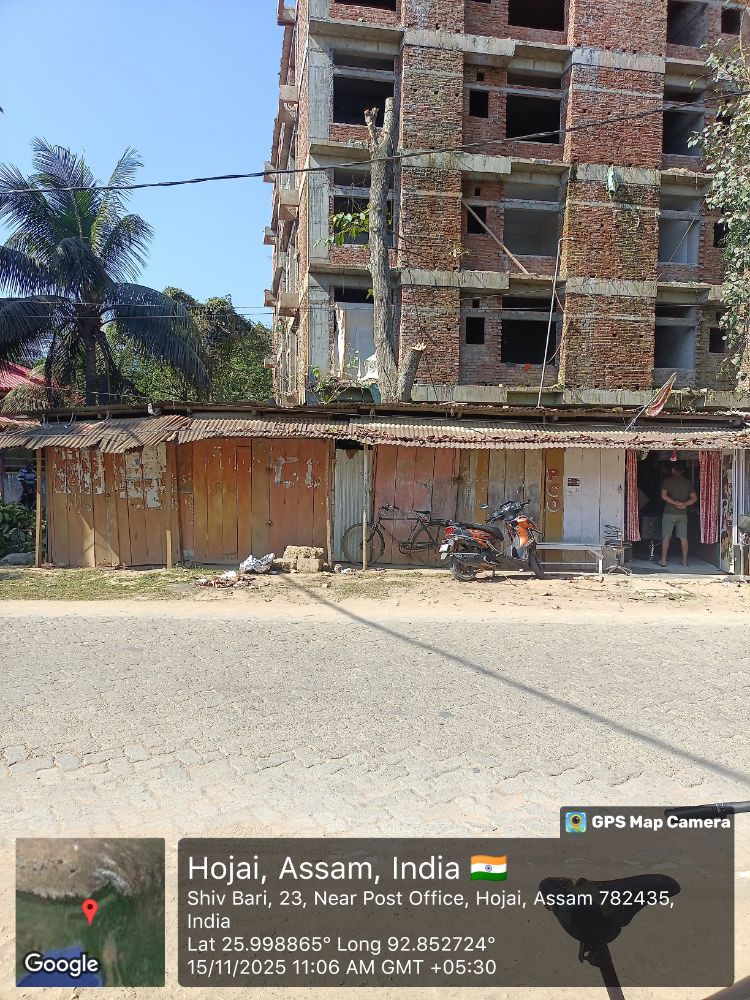
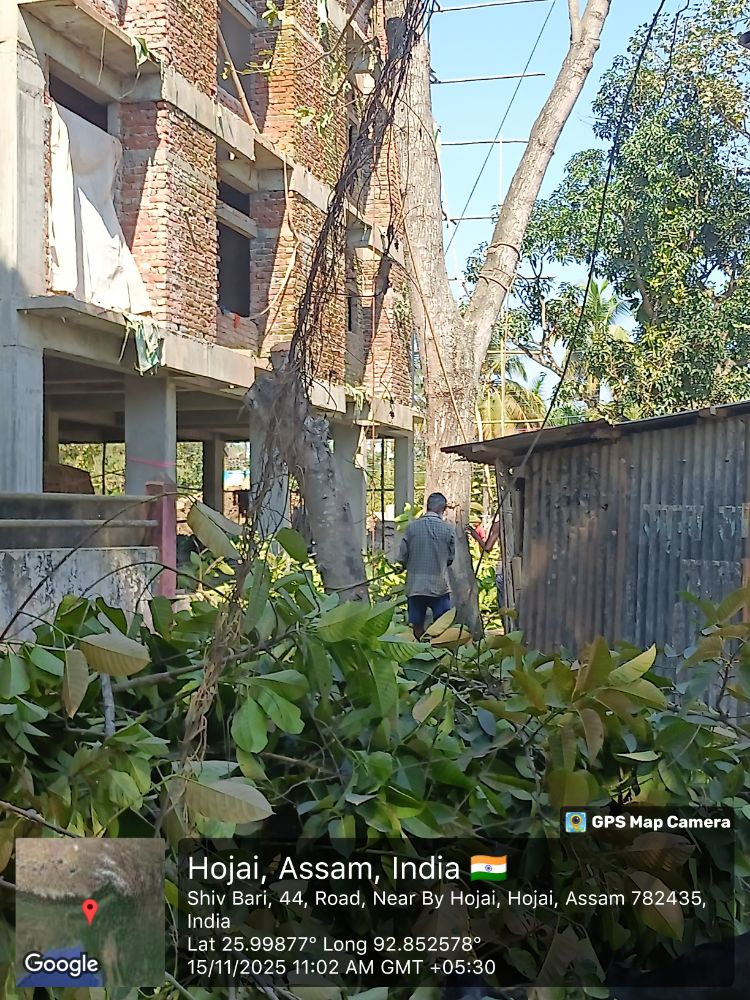
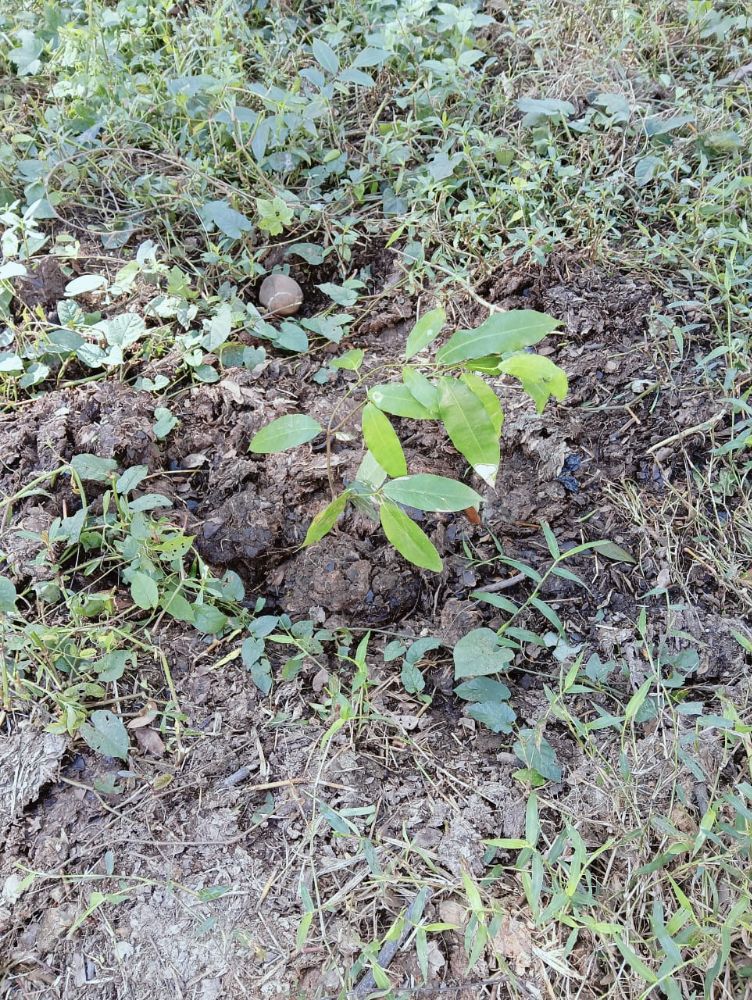
Every day we speak about climate change and global warming, yet we continue to witness trees being cut in the name of development. I recently came across a site where several trees were being removed, and it raised an important question in my mind. Is destruction of green cover truly unavoidable, or are we ignoring better alternatives? As a citizen, this contradiction forces us to think more deeply.
Problem Explanation
The central concern is the growing trend of cutting trees for construction and expansion projects. While development is essential, the process often directly targets existing natural resources. This creates a conflict between infrastructural needs and environmental protection, making the issue complex and concerning.
Why This Matters
In a time when global warming, unpredictable climate patterns and rising temperatures are becoming everyday realities, the loss of trees further intensifies the crisis. The Government of India continuously promotes plantation drives and environmental awareness, yet on the ground, institutions sometimes move forward with tree-cutting. This contradiction weakens public confidence and creates confusion about our collective priorities.
Simple Analysis
The core of the problem lies not in development itself, but in the approach. Trees are cut because alternative designs or protective measures are often overlooked. Sustainable planning—like re-routing, vertical construction, transplantation, or integrating greenery within projects—can significantly reduce damage. When such options exist, choosing the easiest path—cutting trees—reflects a lack of environmental sensitivity rather than true development.
Solution
Real development should adopt eco-friendly planning, mandatory environmental audits, and responsible decision-making. Authorities can explore tree transplantation, redesign layouts, or integrate green zones instead of removing existing trees. Citizens, too, can question policies respectfully and raise awareness without creating controversy. This balanced approach can ensure both infrastructure and nature coexist.
Conclusion
Protecting trees is not an obstacle to development—rather, it is a foundation for sustainable progress. When alternatives exist, choosing them is not protest; it is responsibility. —
Reader Question ❓
Do you believe true development is possible without harming our environment?
Original image (Hojai)
Ashish Chakraborty MSW | MA (Double) Digital Content Creator | Author Voluntary Social Worker | Environmental Volunteer Traditional Astrologer & Palmistry Practitioner
ভূমিকা বিশ্বব্যাপী পরিবেশ ধ্বংসের গতিবেগ এখন আর কল্পনাতীত—বায়ুমণ্ডলে কার্বন বেড়ে চলেছে, বন কমছে, প্লাস্টিক ও বর্জ্য বাড়ছে, এবং জীববৈচিত্র্য দ্রুত ক্ষয়ে যাচ্ছে। এই বিপর্যয়ের সামনে জনসম্মুখে আমাদের নীরবতা এবং দায়িত্বহীনতা কেন চলছে—এটি বিশ্লেষণ করা জরুরি। নিচে সংক্ষিপ্ত, তথ্যভিত্তিক ও তর্কোপযুক্ত প্রতিবেদন দিলাম।
১) বর্তমান অবস্থা — কিছু মূল পরিসংখ্যান (সংক্ষেপে)
বায়ুমণ্ডলের CO₂ ঘনত্ব দ্রুত বেড়ে ২০২৪–২০২৫ সালে নতুন রেকর্ডে পৌঁছেছে; Mauna Loa নজরদারি অনুযায়ী ২০২৫-এর সাম্প্রতিক মাসগুলিতে CO₂ ~425 পিপিএম বা তারও বেশি রেকর্ড হয়েছে — যা শিল্পোত্তর (pre-industrial) পর্যায়ের তুলনায় উল্লেখযোগ্যভাবে বেশি এবং তাপমাত্রা বৃদ্ধির ঝুঁকি বাড়ায়।
বিশ্বজুড়ে বনভূমি ক্ষয় অব্যাহত; 1990–2020 মধ্যে মোট আনুমানিক ৪২০ মিলিয়ন হেক্টর বন হারিয়েছে, ২০১৫–২০২০ পর্যায়ে বার্ষিক হার প্রায় ১০ মিলিয়ন হেক্টর। বনক্ষয় কমেছে বলে মনে করা হলেও মোট হার এখনও উদ্বেগজনক।
প্লাস্টিক দূষণ অত্যন্ত গুরুতর — বছরে প্রায় ১৯–২৩ মিলিয়ন টন প্লাস্টিক জলের মধ্যে লিক হচ্ছে; সমুদ্র ও নদীতে প্রতিদিন হাজার হাজার ট্রাক সমপরিমাণ প্লাস্টিক প্রবাহিত হচ্ছে।
বায়ু দূষণের স্বাস্থ্যঝুঁকি বিপুল: ২০১৯ সালে বাহ্যিক বায়ু দূষণ প্রায় ৪.২ মিলিয়ন আগাম মৃত্যু দায়ী বলে WHO রিপোর্ট করে; সামগ্রিকভাবে বায়ু ও ঘরোয়া দূষণ সম্পর্কিত মারা যাওয়ার সংখ্যা আরও বড় ( ~৭ মিলিয়ন সারণিতে সূচিত)।
জীববৈচিত্র্য সংকট — প্রায় ১ মিলিয়ন প্রজাতিই বিলুপ্তির ঝুঁকিতে রয়েছে বলে IPBES রিপোর্টে সতর্কতা দেওয়া হয়েছে; প্রাকৃতিক পদ্ধতির বিশৃঙ্খলা খাদ্য নিরাপত্তা ও জীবিকা ঝুঁকিতে ফেলে।
২) আমরা কেন ততটা নীরব বা অনড়? — কারণসমূহের বিশ্লেষণ
জটিলতা ও দুর্গমতা: পরিবেশগত সমস্যা বহুস্তরীয় (জলবায়ু, বায়ু, মৃত্তিকা, জীববৈচিত্র্য)। প্রতিটি সমস্যা আলাদা ব্যবস্থাপনা দাবি করে; সাধারণ মানুষের কাছে বিষয়গুলো প্রায়ই দূর-অবোধ্য মনে হয়।
স্বার্থ ও অর্থনৈতিক চাপ: সংরক্ষণ কার্যক্রম ও পরিবর্তন প্রায়ই রাজস্ব বা জীবিকার সঙ্গে সরাসরি সংঘর্ষ মনে হয়—এ কারণেই সমালোচনাহীন নীরবতা দেখা যায়। (এখানে ‘টাকা’-নির্ভরতা বোঝানো, কিন্তু বিস্তারিত অসমাপ্ত কারণগুলো সামাজিক ও কাঠামোগত)।
রাজনৈতিক অগ্রাধিকারবিহীনতা: স্বল্পমেয়াদি অর্থনৈতিক সূচক বৃদ্ধি রাজনৈতিক কর্মসূচিতে অগ্রাধিকার পায়; দীর্ঘমেয়াদি পরিবেশগত বিনিয়োগ নেগ্লেক্ট হয়।
জ্ঞান ও দায়িত্ব ভাগাভাগি না হওয়া: ব্যক্তি, শিল্প ও রাষ্ট্র—এই তিন স্তরেই ঝোঁক ও দায়বদ্ধতা স্পষ্ট নয়; একে অপরকে দোষারোপ করাই সাধারণ প্রতিক্রিয়া।
দ্রুত ফলাফল না দেখানো: পরিবেশ সংরক্ষণে অবিলম্বে দৃশ্যমান লাভ কম; তাই রাজনৈতিক ও সামাজিক মনোবৃত্তি দীর্ঘমেয়াদি শৃঙ্খলাকে সমর্থন করে না।
৩) সরকারের দায়িত্ব — বাস্তব, ব্যবহারিক ও প্রয়োজনীয় পদক্ষেপ (সংক্ষেপে ও শ্রেনীবদ্ধ)
A. নীতিগত কাঠামো ও আইন-প্রয়োগ
শক্তিশালী, বৈজ্ঞানিকভাবে নির্ভর পরিবেশ নীতি গ্রহণ ও বাস্তবায়ন; নির্দিষ্ট লক্ষ্যমাত্রা (GHG reduction targets, deforestation reduction targets, plastic leakage reduction) নির্ধারণ এবং নিয়মিত অডিট।
দূষণ নিয়ন্ত্রণে কঠোর বিধি ও অনুশীলন, শিল্পে নির্গমন মানদণ্ড কঠোরভাবে চাপানো এবং ফাইন/শাস্তির উপযুক্ত প্রণালী বজায় রাখা।
B. বিনিয়োগ ও আর্থিক প্রণোদনা
পুনর্নবীকরণযোগ্য শক্তি, পরিবেশবান্ধব শিল্পপ্রকৌশল ও সাস্টেইনেবল কৃষিতে সরকারী বিনিয়োগ বৃদ্ধি; ক্ষতিকর উপাদান ব্যবহার কমাতে প্রণোদনা।
টেকসই প্রকল্পে ট্যাক্স ছাড়, গ্রিন বন্ড ইস্যু, ক্ষুদ্র উদ্যোগকে সহায়তা — যাতে পরিবেশবান্ধব পরিবর্তন লাভজনক হয়।
C. সংরক্ষণ, পুনর্নির্মাণ ও জরুরি প্রস্তুতি
বন সংরক্ষণ ও পুনরুদ্ধারে বাস্তব কার্যক্রম; স্থানীয় সম্প্রদায়কে যুক্ত করে বন-ভিত্তিক আর্থ-সামাজিক উপায় তৈরি।
উপকূলীয় ও নগর এলাকায় জলের সমস্যার জন্য অভিযোজন (adaptation) নীতি—প্লাস্টিক নিয়ন্ত্রণ, বন্যা প্রণালী উন্নয়ন, বর্জ্য ব্যবস্থাপনা শক্তিশালী করা।
D. স্বাস্থ্য ও পরিবেশ সংযুক্ত নীতি
বায়ু ও জলমান উন্নয়নে সরাসরি জনস্বাস্থ্য নীতি; বায়ু দূষণ কমাতে দৃশ্যমান পরিকল্পনা (পরিবহন, শক্তি, নির্মাণখাতে মানদণ্ড)।
E. শিক্ষা, জাগরণ এবং দায়িত্ববোধ গঠন
স্কুল থেকে শুরু করে জনসচেতনতা ক্যাম্পেইন; সহজ, কর্মসম্পাদনযোগ্য রুটিন (রিসাইক্লিং, প্লাস্টিক-বিহীন উদ্যোগ, শক্তি-সংরক্ষণ) প্রচার।
স্থানীয় নেতৃত্ব ও নাগরিক অংশগ্রহণ বাড়ানো — পরিবেশ রক্ষার দায়িত্ব কেবল সরকার নয়, সমাজসহ সবাইকে নিতে হবে।
৪) বাস্তবায়ন ও মনিটরিং — কিভাবে সফলতা মাপা হবে?
স্পষ্ট সূচক নির্ধারণ: PM2.5/PM10, CO₂ পিপিএম, সাগর-উষ্ণতা, বন-আচ্ছাদন হার, প্লাস্টিক লিকেজ টন প্রতি বছর ইত্যাদি। নিয়মিত প্রকাশিত রিপোর্ট ও স্বাধীন তৃতীয় পক্ষের অডিট বাধ্যতামূলক করা উচিত।
উপসংহার — নীরবতা আর মানায় না পরিবেশ ধ্বংসের সূচকগুলো ইতিমধ্যে বাস্তব এবং দ্রুতগতিতে ক্ষতি বাড়ছে; আমরা চুপচাপ বসে থাকা আর ভাল যুক্তি দিয়ে সামান্য দেরি করার মত বিতর্কে আটকে থাকা এখন আর চলবে না। সরকারকে দৃঢ় নীতিগত, আর্থিক ও কর্মদক্ষ উদ্যোগ নিতে হবে; নাগরিকদেরও দৈনন্দিন জীবনে পরিবর্তন আনার মাধ্যমে অংশগ্রহণ করতে হবে। আধুনিক প্রযুক্তি ও জ্ঞান থাকা সত্ত্বেও রাজনৈতিক সংকল্পহীনতা বা স্বার্থান্বেষী বিন্যাস যদি বজায় থাকে, পরিবেশগত ক্ষতি অনিবার্যভাবে আরও বড় হবে—এটি শুধু পরিবেশগত সমস্যা নয়, ভবিষ্যৎ প্রজন্মের ন্যায়-বিচারের প্রশ্ন।
—
উৎস : IPCC AR6 সংকলন (ক্লাইমেট), NOAA Mauna Loa CO₂ ডাটা, FAO বনসম্পদ প্রতিবেদণ, UNEP প্লাস্টিক-দূষণ প্রতিবেদন, WHO বায়ু দূষণ প্রভাব রিপোর্ট।
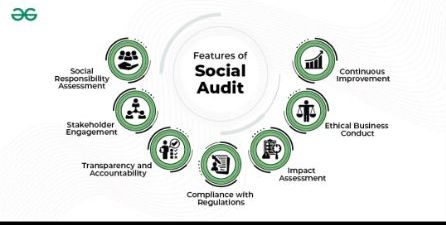
Social Audit is a participatory process that enables citizens to assess and evaluate government programs, policies, and laws. In India, it serves as a vital tool for ensuring transparency, accountability, and public participation in governance.
Image source Google
Global Origins of Social Audit
The concept of Social Audit originated in Sweden between 1985 and 1988. Researchers John Fry and Ulla Ressner conducted a comprehensive study of Sweden’s central bureaucracy—the National Labour Market Board (Arbetsförmedlingen). This study involved interviews and questionnaires with over 1,000 employees at various levels, aiming to assess the alignment between work experiences and the organization’s objectives. The findings were published in 1988 under the title “Social Revision av ett Ämbetsverk” and sparked significant debate in the Swedish Parliament .
Objectives of Social Audit
The primary objectives of Social Audit include:
Transparency and Accountability: Ensuring that organizations and governments are open about their activities and are held accountable for their actions.
Stakeholder Engagement: Involving community members and stakeholders in evaluating and improving organizational performance.
Ethical Standards: Assessing adherence to ethical practices and social responsibility.
Performance Improvement: Identifying areas for enhancement in organizational operations and services.
Social Impact Assessment: Evaluating the social and environmental impacts of organizational activities .
Social Audit in India
In India, the concept of Social Audit gained prominence with the enactment of the Mahatma Gandhi National Rural Employment Guarantee Act (MGNREGA) in 2005, which mandated its implementation to monitor wage employment programs. Over time, its scope expanded to include various social sector schemes, promoting inclusive governance.
Institutional Framework and Public Participation
The Ministry of Rural Development (MoRD) has established guidelines and rules to facilitate Social Audits under MGNREGA. These include the formation of Social Audit Units (SAUs), capacity-building initiatives, and the development of audit manuals to standardize procedures. The active involvement of Gram Sabhas, where community members collectively assess project implementation, ensures that the voices of marginalized groups are heard, fostering inclusive development .
Challenges and Way Forward
Despite its successes, challenges such as low women participation and resistance from local officials persist. Addressing these issues requires continuous advocacy, capacity building, and strengthening of institutional mechanisms to uphold the integrity of Social Audits.
Conclusion
Social Audits in India have proven to be an effective mechanism for promoting transparency, accountability, and public participation in governance. By empowering communities to actively engage in the oversight of public programs, Social Audits contribute to the realization of inclusive and sustainable development

 Ashish Blogger | Writer | Socio-Environmental Volunteer