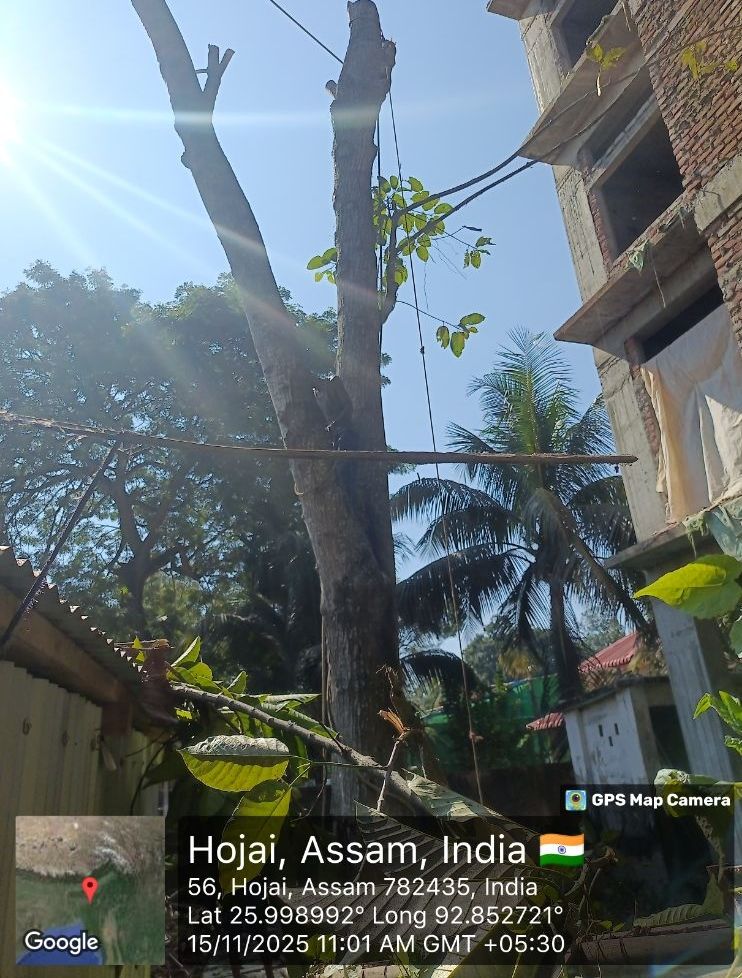
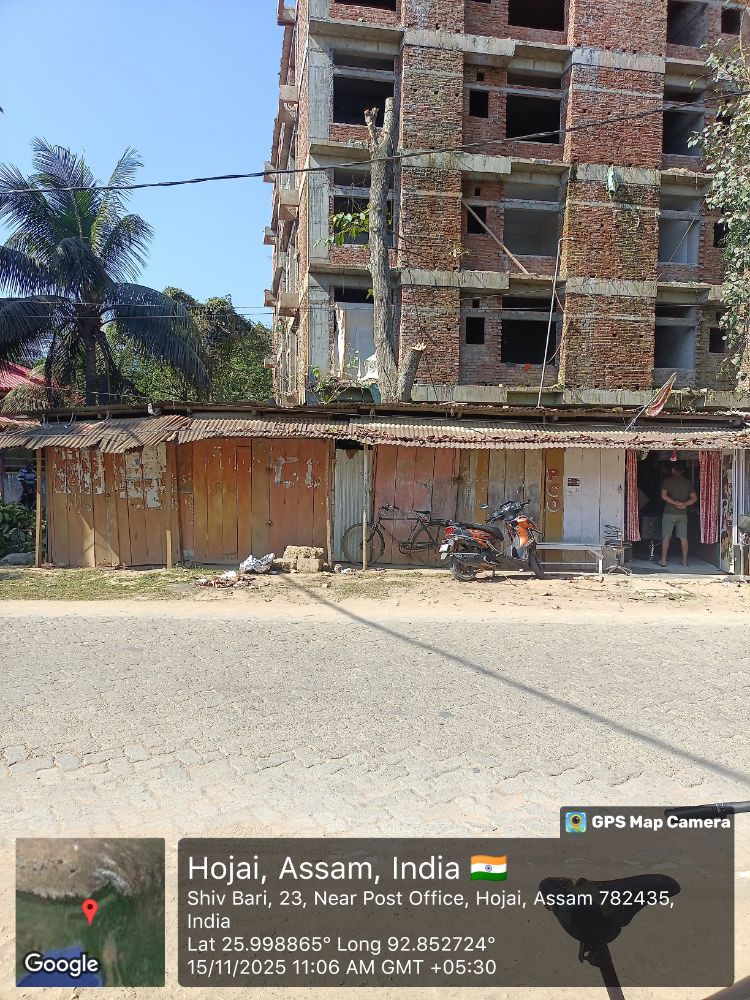
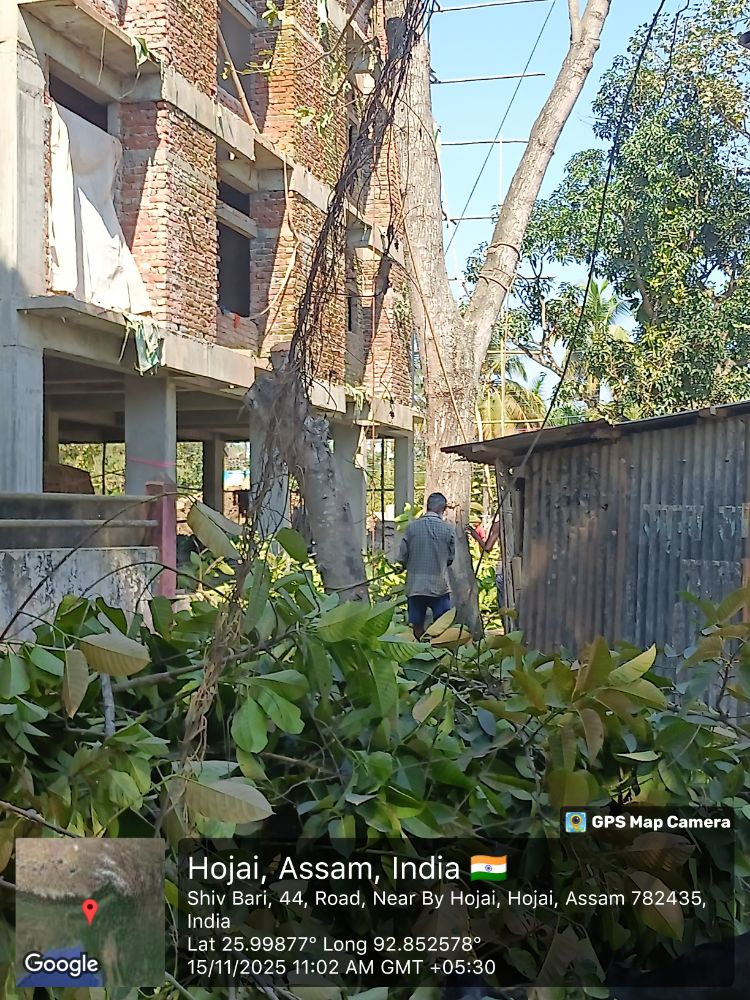
Every day we speak about climate change and global warming, yet we continue to witness trees being cut in the name of development. I recently came across a site where several trees were being removed, and it raised an important question in my mind. Is destruction of green cover truly unavoidable, or are we ignoring better alternatives? As a citizen, this contradiction forces us to think more deeply.
Problem Explanation
The central concern is the growing trend of cutting trees for construction and expansion projects. While development is essential, the process often directly targets existing natural resources. This creates a conflict between infrastructural needs and environmental protection, making the issue complex and concerning.
Why This Matters
In a time when global warming, unpredictable climate patterns and rising temperatures are becoming everyday realities, the loss of trees further intensifies the crisis. The Government of India continuously promotes plantation drives and environmental awareness, yet on the ground, institutions sometimes move forward with tree-cutting. This contradiction weakens public confidence and creates confusion about our collective priorities.
Simple Analysis
The core of the problem lies not in development itself, but in the approach. Trees are cut because alternative designs or protective measures are often overlooked. Sustainable planning—like re-routing, vertical construction, transplantation, or integrating greenery within projects—can significantly reduce damage. When such options exist, choosing the easiest path—cutting trees—reflects a lack of environmental sensitivity rather than true development.
Solution
Real development should adopt eco-friendly planning, mandatory environmental audits, and responsible decision-making. Authorities can explore tree transplantation, redesign layouts, or integrate green zones instead of removing existing trees. Citizens, too, can question policies respectfully and raise awareness without creating controversy. This balanced approach can ensure both infrastructure and nature coexist.
Conclusion
Protecting trees is not an obstacle to development—rather, it is a foundation for sustainable progress. When alternatives exist, choosing them is not protest; it is responsibility. —
Reader Question ❓
Do you believe true development is possible without harming our environment?
Original image (Hojai)
Ashish Chakraborty MSW | MA (Double) Digital Content Creator | Author Voluntary Social Worker | Environmental Volunteer Traditional Astrologer & Palmistry Practitioner
 Ashish Blogger | Writer | Socio-Environmental Volunteer
Leave a comment